
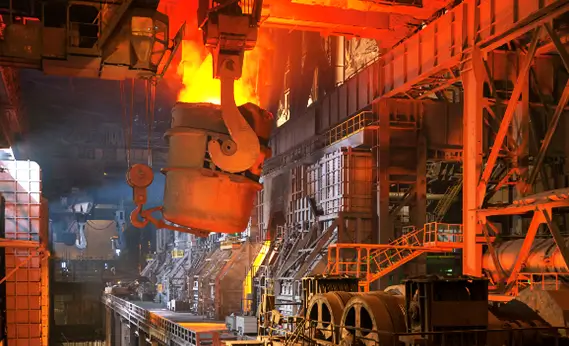
Steel, an indispensable material in modern construction and manufacturing, is intricately woven into the fabric of our economies and infrastructures. The global steel industry not only serves as a barometer for economic health but also reflects the often-unseen interplay of technological innovation, supply chain dynamics, and environmental considerations. The following exploration of the top 10 steel companies in the world sheds light on industry leaders who not only dominate through volume but also through cutting-edge practices, strategic global reach, and commitment to sustainability.
1. ArcelorMittal
Headquartered in Luxembourg, ArcelorMittal is the world’s largest steel producer, with a staggering annual production capacity that often exceeds 70 million metric tons. The company has an extensive operational footprint spanning over 60 countries and numerous steelmaking facilities. Its diverse product portfolio includes flat and long steel products that cater to automotive, construction, and appliance industries. The firm places great emphasis on sustainability, setting ambitious goals to minimize CO2 emissions and enhance recycling capabilities.
2. China Baowu Steel Group
As a titan in the steel industry, China Baowu Steel Group emerged as a formidable player following its merger with Baosteel and Wuhan Iron and Steel. Based in Shanghai, this company produces around 60 million tons of steel per year. Its comprehensive range of products, including high-strength steel for automotive applications, aligns with its commitment to innovative R&D. Additionally, Baowu is at the forefront of China’s green steel movement, aspiring to achieve carbon neutrality by 2050.
3. Nippon Steel Corporation
Nippon Steel Corporation, headquartered in Tokyo, Japan, has a profound influence in the global steel market, producing approximately 45 million tons of crude steel annually. Renowned for its leading-edge technologies and high-performance steel grades, it plays a crucial role in sectors like construction, automotive, and energy. The corporation has continually embraced digital transformation and automation, striving to enhance operational efficiency and address environmental challenges.
4. POSCO
POSCO, based in Pohang, South Korea, stands out for its commitment to quality and innovation. Producing around 40 million tons of steel each year, Posco is known for its diverse product offerings, which facilitate advanced applications across multiple industries. The company has initiated projects aimed at reducing carbon emissions, such as developing hydrogen-based steelmaking technologies, underscoring its dedication to sustainable practices while maintaining competitive advantages.
5. Hesteel Group
Hesteel Group, another colossal entity from China, is notable for its extensive production capabilities, contributing approximations of 45 million tons of steel annually. The company is distinguished by its ability to manufacture high-grade steel products catered to various applications—from railways to automobiles. In its pursuit of a greener future, Hesteel has invested considerably in eco-friendly technologies and emission reductions, prompting a shift toward responsible steel production.
6. Jiangsu Shagang Group
Jiangsu Shagang Group, one of China’s foremost private steel enterprises, produces about 30 million tons of steel each year. Located in Zhangjiagang, Shagang is particularly recognized for its diversified product line that includes hot-rolled, cold-rolled, and wire rod steel. The company is investing significantly in advanced manufacturing technologies to improve efficiency and sustainability, revealing a commitment to innovation in an increasingly competitive industry.
7. Tata Steel
Founded in the early 20th century in India, Tata Steel has evolved into a multinational corporation with a capacity of around 30 million tons of steel production annually. Its operations extend beyond India, with facilities in Europe and other regions. Renowned for its ethical business practices and community-focused initiatives, Tata Steel emphasizes sustainable development strategies, showcasing how corporate responsibility goes hand in hand with industrial growth.
8. Thyssenkrupp AG
Germany-based Thyssenkrupp AG, with a production capacity of around 12 million tons, has roots that trace back over 200 years. Its portfolio encompasses a wide range of steel products tailored for automotive, construction, and engineering applications. The company is engaging in transformations aimed at reducing its carbon footprint, signifying its proactive approach to sustainability within Europe’s stringent emissions regulations.
9. United States Steel Corporation
Known colloquially as U.S. Steel, this American corporation is based in Pittsburgh, Pennsylvania, and produces around 10 million tons of steel annually. With a historic legacy intertwined with the steel industry’s development in the United States, U.S. Steel is focusing on modernization through technology investments, enhancing product quality, and increasing environmental stewardship. Sustainability initiatives are becoming paramount as the company adapts to changing market dynamics.
10. SSAB
Hailing from Sweden, SSAB is renowned for its high-strength steel products, with an annual production volume nearing 8 million tons. The company is committed to innovation through the development of advanced steel solutions that cater to the automotive, construction, and energy sectors. SSAB’s ambitious goals for carbon-neutral steel production by 2045 exemplify the growing trend of sustainable practices in steel manufacturing, propelling it into the future.
As we traverse the landscape of the global steel industry, these top ten companies reveal the dynamic nature of steel production and its integral role in our societal infrastructure. Each entity not only competes on the basis of sheer volume but also navigates a complex interplay of sustainability, technological advancements, and globalization. The ongoing evolution of these steel giants reflects broader economic trends and a collective aspiration towards a greener, more innovative future in steel manufacturing.






Leave a Comment