
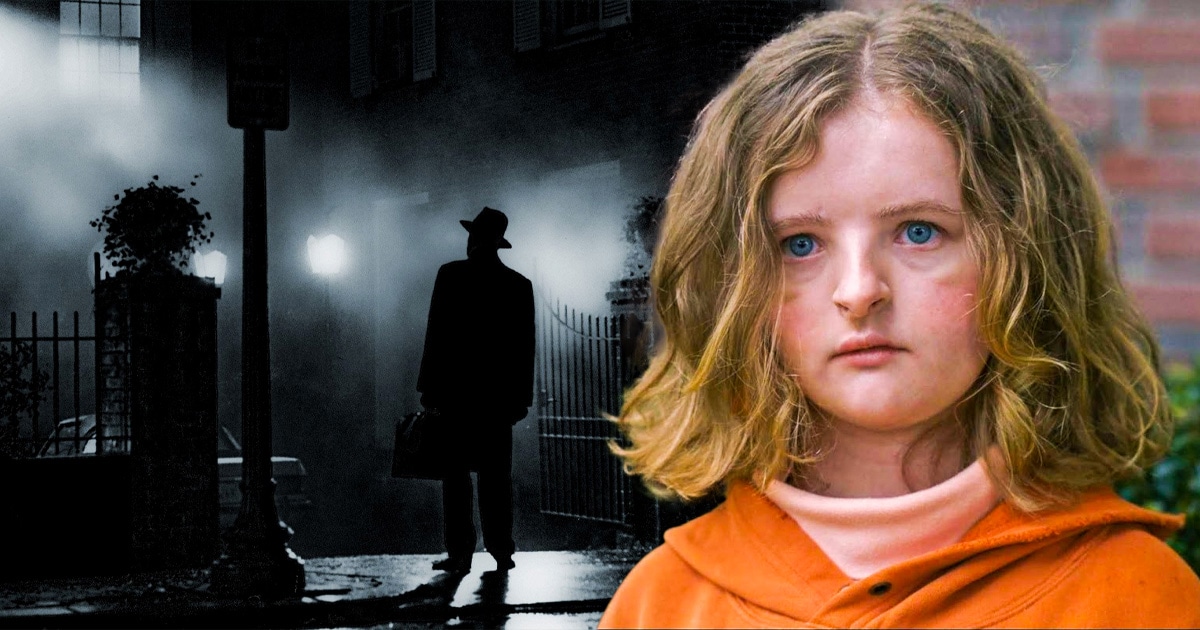
Venturing into the world of horror films often incites a peculiar blend of dread and exhilaration, luring audiences to confront primal fears while simultaneously basking in the thrill of cinematic artistry. With each frame, these films explore the darkest recesses of human psyche and the uncanny realms that lie just beyond our perception. Below, we delve into the top ten scariest movies in the world, each a masterclass in suspense, atmosphere, and terror, offering a unique shift in perspective. Prepare to embark on a harrowing journey that tantalizes the imagination and probes the depths of fear.
10. The Babadook (2014)
At first glance, “The Babadook” may appear to be a supernatural story about a terrifying children’s book character that haunts a single mother and her son. However, it burgeons into an exploration of grief and mental illness, masterfully blurring the lines between psychological torment and supernatural horror. The film’s titular entity, a shadowy figure shrouded in anguish, manifests the protagonist’s unresolved sorrow. As viewers navigate its haunting visuals and suspenseful soundscapes, they are drawn into a vortex of emotional desolation, compelling them to confront the monsters that dwell within.
9. Hereditary (2018)
This visceral family drama encapsulates the essence of generational trauma, whereby the sins of ancestors echo through the lives of their descendants, manifesting violently. From the very first frame, “Hereditary” unravels a tapestry woven with dread, presenting a familial bond riddled with secrets, loss, and grief. Performances steeped in authenticity elevate the chilling narrative as themes of sacrifice and isolation come to the fore. The film employs an unsettling sound design and eerie symbolism that haunt the viewer long after its conclusion, positioning itself as a cornerstone of contemporary horror.
8. The Conjuring (2013)
Grounded in purportedly true events, “The Conjuring” chronicles the harrowing experiences of Ed and Lorraine Warren, paranormal investigators drawn into a sinister case involving a haunted farmhouse. Seamlessly intertwining folklore and fear, the film exudes a sense of authenticity that amplifies its effectiveness. The artful cinematography and methodical pacing reveal a slow burn of tension, culminating in gut-wrenching moments that leave audiences breathless. Its ability to evoke deep-rooted fears surrounding the unknown renders it a hallmark of demonic horror.
7. A Nightmare on Elm Street (1984)
This iconic slasher film introduces audiences to Freddy Krueger, a vengeful spirit that haunts the dreams of unsuspecting teenagers. “A Nightmare on Elm Street” is lauded for its innovative premise, blending the realms of dreams and reality into a perplexing nightmare that reflects the inescapability of fear. With its surreal imagery, the film deftly manipulates perceptions, showing that the darkest horrors often arise when the line between waking and dreaming blurs. The legacy of Freddy Krueger continues to pervade pop culture, a testament to its enduring dread.
6. The Ring (2002)
This American remake of the Japanese film “Ringu” plunges viewers into a relentless abyss of suspense. Originating with a cursed videotape, “The Ring” explores themes of media consumption and the distress of understanding mortality. The film’s pervasive atmosphere of misery and the enigmatic Samara are emblematic of the anxieties that accompany modern-day life, revealing the inescapability of fate. With every chilling scene, it engenders a debilitating sense of anticipation, assuring audiences that knowledge comes at a grave and terrifying cost.
5. It Follows (2014)
In an audacious new take on the horror genre, “It Follows” ingeniously crafts a narrative centered around an insidious curse transmitted through intimacy. The lingering threat of an unseen entity that unrelentingly pursues its victims serves as a haunting metaphor for the fear of sexual relationships. Ethereal cinematography and an innovative score coalesce to render a feeling of disquiet that is palpable throughout. By reframing the monster as an embodiment of psychological repercussions, this film stimulates contemplation on human connection and vulnerability.
4. The Witch (2015)
Set in 1630s New England, “The Witch” immerses viewers in a meticulously crafted puritanical world rife with superstition and moral decay. The film cleverly examines religious fanaticism, family dynamics, and isolation, all while evoking an unsettling tension that permeates every frame. Each character’s demise is steeped in metaphor, exploring the very essence of fear and the hysteria generated by societal pressures. The protagonist’s gradual descent into madness serves as an inexorable reminder that true terror often emanates from within.
3. The Exorcist (1973)
Considered a landmark in horror cinema, “The Exorcist” delves deep into the occult, portraying the harrowing struggles of a mother grappling with her daughter’s demonic possession. The film’s raw depiction of faith, fear, and the battle between good and evil paints an indelible picture that resonates with many. Its disturbing imagery and potent performances forge an unshakable atmosphere, while the audacious concept of exorcism adds an element of authenticity that has profoundly influenced the genre.
2. Psycho (1960)
Alfred Hitchcock’s “Psycho” stands as an exemplar of psychological horror, probing the complexities of identity and obsession. The film crafts a labyrinthine narrative featuring the enigmatic Norman Bates, whose fractured psyche illustrates the profound consequences of trauma. Hitchcock’s innovative storytelling techniques and the infamous shower scene evoke a visceral response, ensnaring viewers in a web of suspense and dread. “Psycho” distorts perceptions of the ordinary, showcasing how terror can reside in the most familiar of settings.
1. The Shining (1980)
Stanley Kubrick’s “The Shining” transforms Stephen King’s haunting tale into an atmospheric odyssey that explores isolation, madness, and the supernatural. The Overlook Hotel, with its ominous architecture and unsettling history, serves as a fitting backdrop for Jack Torrance’s descent into insanity. With striking visuals and eerie soundscapes, Kubrick crafts an experience where every moment heightens the tension. The film’s exploration of the psychological and supernatural culminates in an unsettling climax, solidifying its title as the pinnacle of horror cinema.
In conclusion, the scariest movies possess an unparalleled ability to captivate and terrify, tapping into the collective consciousness of humanity. Each film listed not only instills fear but also challenges conventional perceptions of horror, inviting viewers to explore unfamiliar territories within their psyches. Whether through supernatural elements, psychological explorations, or societal critiques, these films are instrumental in expanding the horizons of cinematic horror. As you journey through these eerie realms, remember: the true nature of fear is as enigmatic as it is pervasive.










Leave a Comment