
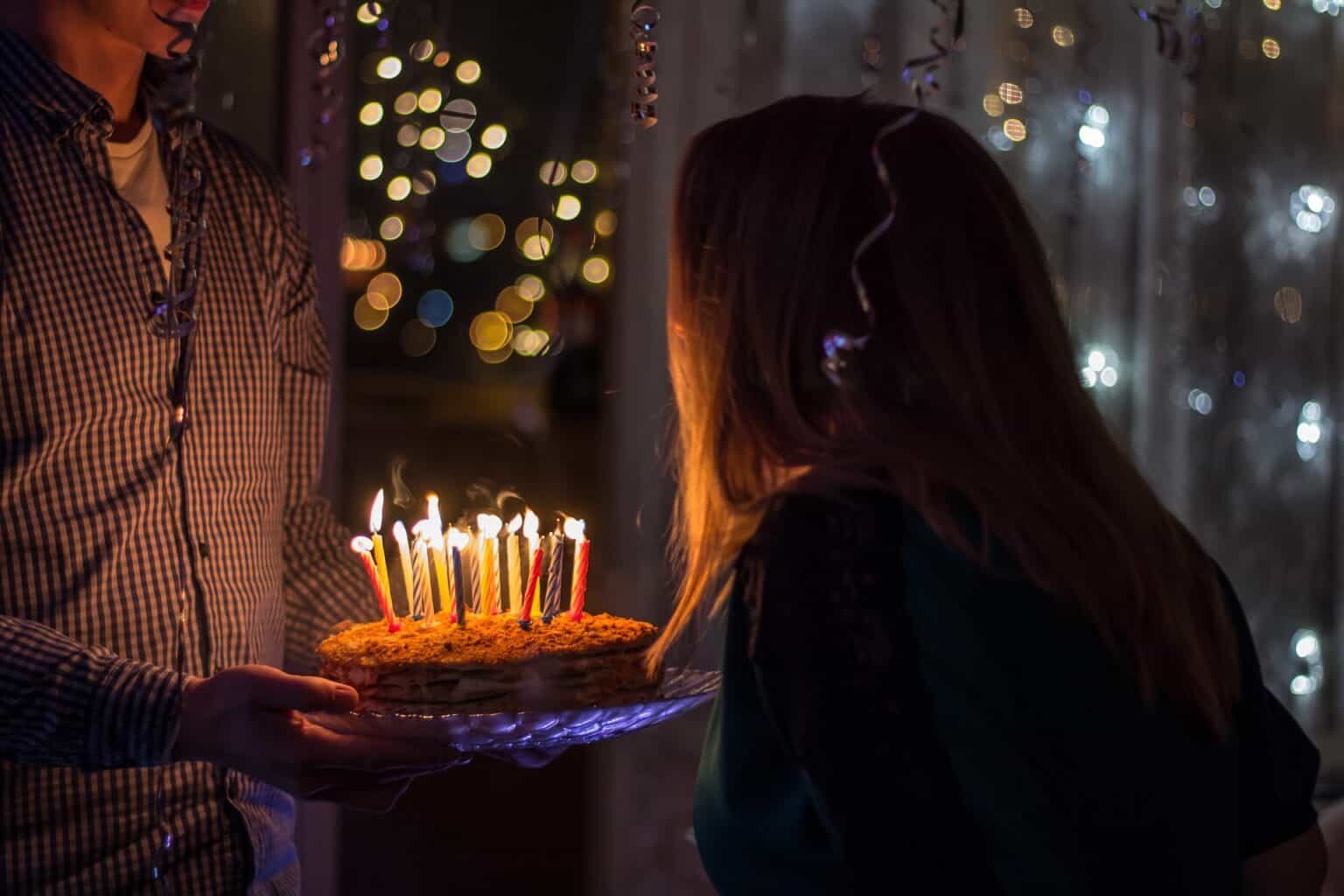
Birthdays are universally celebrated milestones that mark the passage of time in each individual’s life. Traditionally, we associate birthdays with festivities, cake, and gifts. However, have you ever pondered the rarity of certain birth dates? The phenomenon of uncommon birth dates holds a peculiar fascination for many. It stirs curiosity and compels us to delve deeper into the implications surrounding these unusual occurrences. In this exploration, we unveil the top ten rarest birthdays, revealing the remarkable statistics and possible reasons behind their scarcity.
1. February 29
Arguably the rarest of all birthdays is February 29, the day that only graces the calendar during leap years, which take place every four years. Statistically, only about 1 in 1,461 people will celebrate their birthday on this day. This exquisite rarity leads to quizzical discussions around leap year celebrations and whether “leapers” should host festivities only once every four years or celebrate on adjacent days otherwise. The uniqueness of a leap-day birthday invites individuals into an exclusive club and instills a sense of whimsical fantasy into what it means to age.
2. December 25
While Christmas Day is celebrated with abundant festivities, it paradoxically results in fewer birthdays due to the multiplicity of holidays and family gatherings. The influx of festive engagements and public holidays leads to a decrease in births on this day. It creates a fascinating interplay between a globally recognized celebration and the personal significance of an individual’s birthday. This collision of observances essentially renders December 25 one of the least common birth dates, creating further intrigue surrounding those who claim this special day as their own.
3. January 1
The inception of a new year holds great significance across cultures; however, this very importance leads to fewer births on January 1. Many parents opt for elective cesarean sections or inducements in the days leading up to this date, resulting in a striking decline in births on this day. For those who ignite their festivities on January 1, the day becomes a dual celebration, enhancing the mystique of sharing their birthday with New Year’s celebrations, bringing layers of meaning and joy.
4. July 4
Independence Day, a federal holiday in the United States, witnesses an uptick in festivities that can overshadow personal birthdays. Fireworks, parades, and barbecues are commonplace, often diverting attention away from birthday celebrations. This pronounced cultural significance renders July 4 a rare birthday, leading to thought-provoking conversations about the juxtaposition of public and personal celebrations and the implications of sharing a birthday with an iconic national holiday.
5. November 28
Uncommonly, in the realm of rare birthdays, November 28 emerges as a unique date that few are born upon. This scarcity can be attributed to its positioning just before the holiday season, times that often instill families with a desire to diverge from timing births in this busy period. Further introspection reveals the intriguing trend of births aligning to avoid the potential financial and emotional pressures of the holiday season, resulting in fewer November 28 birthdays.
6. April 1
April 1, best known as April Fools’ Day, occupies an interesting position in the pantheon of rare birthdays. It often holds a stigma for expectant parents due to its association with pranks and deception. In an eccentric twist of fate, individuals born on this day may find themselves orchestrating their own elaborate celebrations—both playful and reflective. The confluence of jest and genuineness in birthday observations renders a rich dialogue about identity and the ways in which we celebrate our uniqueness amid cultural norms.
7. May 1
May 1, recognized as International Workers’ Day, tends to be absorbed by large-scale demonstrations and celebrations, creating a conundrum for those who share the day as their birthday. Influenced by societal movements and labor celebrations, the significance of May Day can overshadow personal milestones, thus rendering it a lesser-known date for birth. Exploring the complex narratives surrounding May 1 births opens up discussions about socio-political influences and personal identities intertwined with the timing of one’s arrival into the world.
8. September 23
The autumnal equinox, occurring around September 23, signals seasonal change and finds itself wrapped in various agricultural festivities. While many eagerly anticipate the transition into fall, choose to celebrate other milestone events, sparking a rarity of births on this day. The natural odyssey of time and seasons cultivates unique discussions about the romance of autumn, confronting the interrelation between natural cycles and human existence.
9. October 31
Halloween, celebrated on October 31, imbues personal celebrations with an air of spookiness. Conversely, the festive atmosphere commandeers a significant portion of revelry, leading to fewer births on this haunting holiday. Discussions surrounding October 31 birthdays often explore the thematic contrast between ghoulish celebration and the sweetness of personal anniversaries, encapsulating a distinctively intriguing relationship with cultural events.
10. January 2
Generational trends indicate a decrease in births on January 2, perhaps as a consequence of post-holiday exhaustion or strategic familial planning. Coupled with the aftermath of New Year’s celebrations, many parents opt for births in surrounding months. Celebrating a birthday amidst the remnants of holiday cheer invites contemplation of individual narratives, as January 2 babies often have unique experiences standing amidst holiday fatigue, creating an exclusive allure around this date.
In summation, the examination of the rarest birthdays exposes layers of cultural significance, societal practices, and the quirks of human existence. Each date tells a story, revealing fascinating intersections between individual identity and collective celebrations. While birthdays remain personal, their rarity invokes a deeper conversation about the experiences and cultural phenomena that shape our lives. This exploration reminds us that every birth is not just a singular event but part of a broader social tapestry that gives rise to both joy and reflection. It is these rare dates that challenge our perceptions and invite us to celebrate life’s precious milestones in all their specificity.







Leave a Comment