
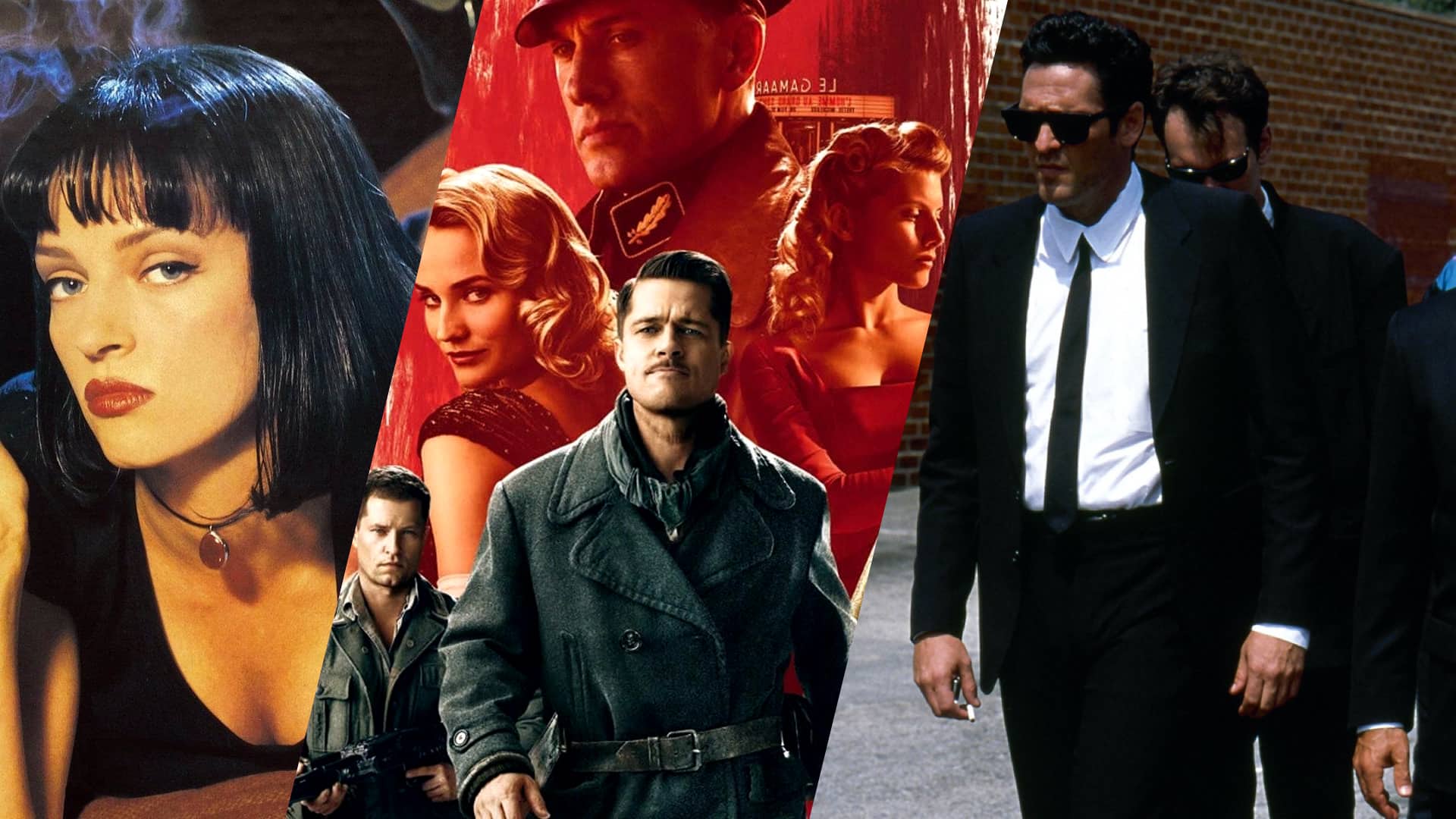
Quentin Tarantino is undoubtedly one of the most influential filmmakers of his generation. His distinctive blend of sharp dialogue, nonlinear storytelling, and homage to various genres has captivated audiences worldwide. But with a filmography that spans over three decades, ranking his movies is no easy feat. In this exploration, we present the top ten Quentin Tarantino films, ranked from best to worst. Let’s dive in and perhaps challenge ourselves to reconsider our personal favorites as we delve deeper into the unique traits of each film.
10. Death Proof (2007)
While “Death Proof” might be considered one of Tarantino’s lesser works, it is not without merit. This film serves as a throwback to the grindhouse cinema of the 1970s. With multiple homages to classic exploitation flicks, its narrative revolves around a psychotic stuntman who uses his car as a lethal weapon. The film’s slow-burning dialogue culminates in exhilarating action sequences, particularly the final chase scene. Yet, the unconventional pacing and fragmented structure limit its wider appeal, making it a niche entry in Tarantino’s oeuvre.
9. Once Upon a Time in Hollywood (2019)
This ode to the golden age of Hollywood tantalizingly weaves fiction and reality. Set against the backdrop of the late 1960s, the film follows an out-of-work actor and his stunt double as they navigate the changing tides of the film industry. Rich in period detail, this cinematic love letter is replete with brilliant performances, particularly from Leonardo DiCaprio and Brad Pitt. However, its meandering plot may leave some viewers yearning for a more defined narrative arc, relegating it to the lower tier of Tarantino’s illustrious catalog.
8. The Hateful Eight (2015)
Set in a snowbound cabin, “The Hateful Eight” characteristically showcases Tarantino’s penchant for dialogue and suspense. The film centers around a group of nefarious characters trapped together, each harboring secrets that unfold dramatically. While the film’s tension and claustrophobia lend themselves to riveting storytelling, its length and extensive dialogue can feel self-indulgent to some viewers. Nevertheless, the film’s stunning cinematography and a powerful score by Ennio Morricone elevate it beyond mere conversation.
7. Reservoir Dogs (1992)
The debut feature that launched Tarantino into cinematic consciousness, “Reservoir Dogs” intricately examines a botched heist and the aftermath of betrayal. Its nonlinear storytelling is a hallmark of Tarantino’s style, engaging the audience through compelling character dynamics and intense dialogue. While the film is refreshingly bold and innovative, it lacks the polish of his later works. Nonetheless, its raw intensity and memorable characters have earned it a cult classic status.
6. Django Unchained (2012)
A visceral exploration of revenge and freedom, “Django Unchained” infuses the spaghetti western genre with Tarantino’s unique flavor. The film follows a freed slave who partners with a bounty hunter to rescue his wife. With a cast led by Jamie Foxx, Christoph Waltz, and Leonardo DiCaprio, the film is a tour de force of powerful performances, striking visuals, and biting social commentary. However, the violence can be jarring for some, causing it to occupy a middle ground in this ranking.
5. Inglourious Basterds (2009)
“Inglourious Basterds” is a bold reimagining of World War II where revenge takes center stage. The film cleverly intertwines multiple narratives, culminating in a spectacular alternative history. Christoph Waltz’s portrayal of Colonel Hans Landa is one of the most memorable performances in cinema, earning him an Academy Award. Tarantino masterfully manipulates tension and delivers exhilarating scenes, making this film both entertaining and thought-provoking, thereby securing its lofty position in the ranking.
4. Kill Bill: Volume 1 (2003)
“Kill Bill” is a stylish homage to martial arts and revenge films, showcasing Tarantino’s artistic flair. The film’s vibrant visuals, compelling action sequences, and unforgettable soundtrack make it a remarkable cinematic experience. Uma Thurman’s portrayal of “The Bride” is both fierce and vulnerable, drawing audiences into her quest for vengeance. While “Volume 1” excels in action and aesthetics, the lack of resolution prompts viewers to consider its sister installment.
3. Kill Bill: Volume 2 (2004)
As a continuation of “Volume 1,” “Kill Bill: Volume 2” delves deeper into character development and emotional depth. The film balances intense action with poignant moments, providing closure to The Bride’s saga. Tarantino’s ability to merge genres shines through in a narrative that combines western elements with dramatic storytelling. The pacing allows for a richer exploration of themes such as betrayal and redemption, solidifying its place as one of his best films.
2. Pulp Fiction (1994)
Pulp Fiction is arguably the film that defined a generation of filmmakers. With its interwoven stories and a vibrant ensemble cast, the film breaks conventional storytelling norms. Tarantino’s electrifying dialogue and unforgettable characters create moments that are both quotable and iconic. The blend of humor, violence, and drama intertwines seamlessly, leaving a lasting impact on cinema. Its innovative narrative structure paved the way for a new era of independent filmmaking, securing its status as a pinnacle of Tarantino’s body of work.
1. True Romance (1993)
Though it’s essential to note that Tarantino wrote and produced but did not direct “True Romance,” its essence encapsulates all the elements he’s renowned for. This whirlwind romance entwined with crime offers a non-stop thrill ride. With a star-studded cast and an eternally quotable screenplay, the film exemplifies Tarantino’s unique voice and his capacity to craft memorable scenes. The clash between love and violence is expertly depicted, making it a standout feature that resonates with both fans and newcomers alike.
As we conclude this ranking of Quentin Tarantino’s films, it’s evident that each entry represents a unique facet of his genius. Whether you align with this list or vehemently disagree, it poses a playful challenge for you to rewatch and reevaluate his work through a fresh lens. Which film speaks to you the most? Which character haunts your thoughts long after the credits roll? Delve into the Tarantino universe and discover which film rises to the top for you.



Leave a Comment