
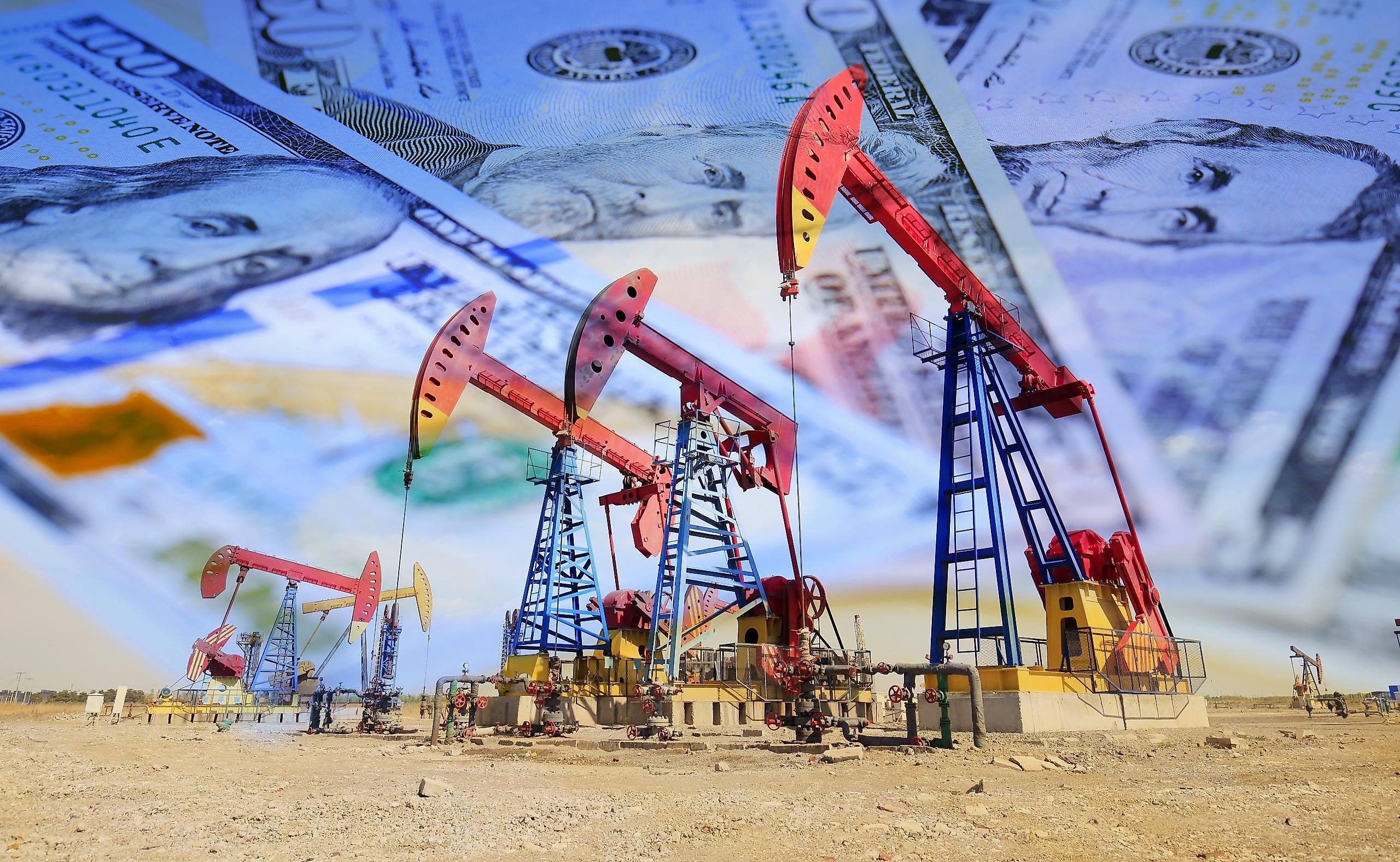
As one of the world’s largest producers of oil, the United States has a vital role in the global energy landscape. The production of crude oil primarily occurs in concentrated regions across the country, each boasting unique geological characteristics and production techniques. This article delves into the top 10 oil-producing states in America, providing valuable insights into their contributions, techniques, and the dynamics that govern their oil industries.
Understanding the energy economy of the U.S. requires an appreciation of where oil is extracted, how it is processed, and its implications for both local and national economies. From the arid plains of Texas to the frigid Bakken formations in North Dakota, each state employs distinct methodologies to harness its natural resources. The following states have emerged as leaders in oil production, epitomizing innovation and resilience in the oil industry.
1. Texas
Texas reigns supreme as the undisputed titan of oil production in the United States, with a staggering output that dwarfs all other states. The Texas oil fields, particularly the Permian Basin, are renowned for their substantial reserves and advanced extraction technologies, including hydraulic fracturing and horizontal drilling. This vast state encompasses diverse terrain, which contributes to its prolific energy sector. In Texas, oil is intricately woven into the cultural fabric, and events like the annual Houston Livestock Show and Rodeo celebrate its rich heritage while promoting economic growth.
2. North Dakota
Following Texas, North Dakota has rapidly ascended the ranks to become a leading oil-producing state, primarily due to the Bakken formation. The shale reserves here have burgeoned in recent years, fueled by technological advancements that enable efficient extraction. Oil production in North Dakota has transformed the local economy, offering employment opportunities and spurring infrastructure development. However, environmental concerns and logistical challenges, such as transportation and pipeline capacity, also surface in discussions about the state’s booming energy sector.
3. Alaska
Alaska’s oil industry is as vast as its stark landscapes, contributing significantly to national reserves. The North Slope, with its ice-covered terrains and rough conditions, harbors vast oil resources. The Prudhoe Bay Oil Field, the largest in North America, is instrumental in driving Alaska’s oil production. The state relies heavily on oil revenues to fund essential services, making the industry critically important. However, environmental advocates often raise alarms over the impact of drilling in sensitive Arctic ecosystems, prompting discussions about sustainable practices in this unique region.
4. California
Californian oil production, though diminishing relative to its historical peaks, still ranks high nationally. The state possesses several prominent oil fields, including the San Joaquin Valley and the Los Angeles Basin. Innovative technological advancements have allowed California to enhance extraction methods while simultaneously pursuing a greener future. Consequently, the state is pioneering efforts towards environmental sustainability, balancing an industry deeply rooted in its history while addressing climate change imperatives.
5. New Mexico
New Mexico is often overlooked in discussions of oil production yet plays a significant role in the sector, primarily due to the Delaware Basin, a prominent section of the larger Permian Basin. The oil industry here has grown exponentially, boosted by recent investments and favorable geological formations. The growth trajectory in New Mexico reflects a trend of increasing interdependence between energy production and environmental responsibility, as state officials and companies navigate the complexities of resource management.
6. Oklahoma
Steeped in tradition, Oklahoma’s oil industry has been a cornerstone of its economy since the early 20th century. The state is home to historical oil fields, such as the Mid-Continent region, which remain active today. Innovations in drilling technologies and management practices have rejuvenated many of Oklahoma’s fields. As the sixth-largest oil producer, Oklahoma cultivates a culture of resilience, where the convergence of tradition and modernity shapes its oil landscape and sustains local communities.
7. Wyoming
While Wyoming is primarily known for its coal reserves, it is also a notable player in the oil production arena. The state’s oil output is largely concentrated in the Powder River Basin and the Wind River Basin. Wyoming’s oil industry is characterized by a smaller scale compared to giants like Texas and North Dakota, but it remains crucial in supporting local economies. The state’s approach to balancing energy production and environmental considerations is becoming increasingly important in broader national discussions about sustainable practices.
8. Colorado
Colorado has garnered attention recently due to its burgeoning oil and gas sector, particularly from the Niobrara formation. The state actively pursues a dual agenda of energy production while maintaining a commitment to environmental stewardship; this is reflected in its policies and community engagement. Advances in technology and a landscape rich in natural resources position Colorado as an influential player in the oil production arena, attracting investment and fostering innovation.
9. Louisiana
Lousiana’s oil production may not rival Texas or North Dakota, but its historical significance cannot be understated. The state boasts coastal drilling operations and refineries, vital for both national oil output and local employment. The unique topography of Louisiana allows for a diverse mix of offshore and onshore operations. However, climate change poses significant challenges, pressing the need for innovation in vulnerability mitigation measures across the oil industry.
10. Utah
Utah’s oil production, though modest compared to the leaders, is gradually increasing, particularly in the Uinta Basin. The state’s reserves and budding industry hold promise for further development while balancing environmental and conservation needs. Utah’s approach to oil production emphasizes innovation, with companies collaborating with state officials to find sustainable solutions in extraction and processing. The evolving landscape reflects a cautious optimism regarding the future of oil in the Beehive State.
In conclusion, the United States has a multifaceted relationship with oil production, characterized by regional specialties and a blend of tradition and innovation. Each state contributes uniquely to the national output, driven by geological advantages and technological breakthroughs. While the industry faces significant challenges, including environmental concerns and fluctuating markets, the resilience and adaptability of these top oil-producing states position them to influence the future of energy in America and beyond.







Leave a Comment