
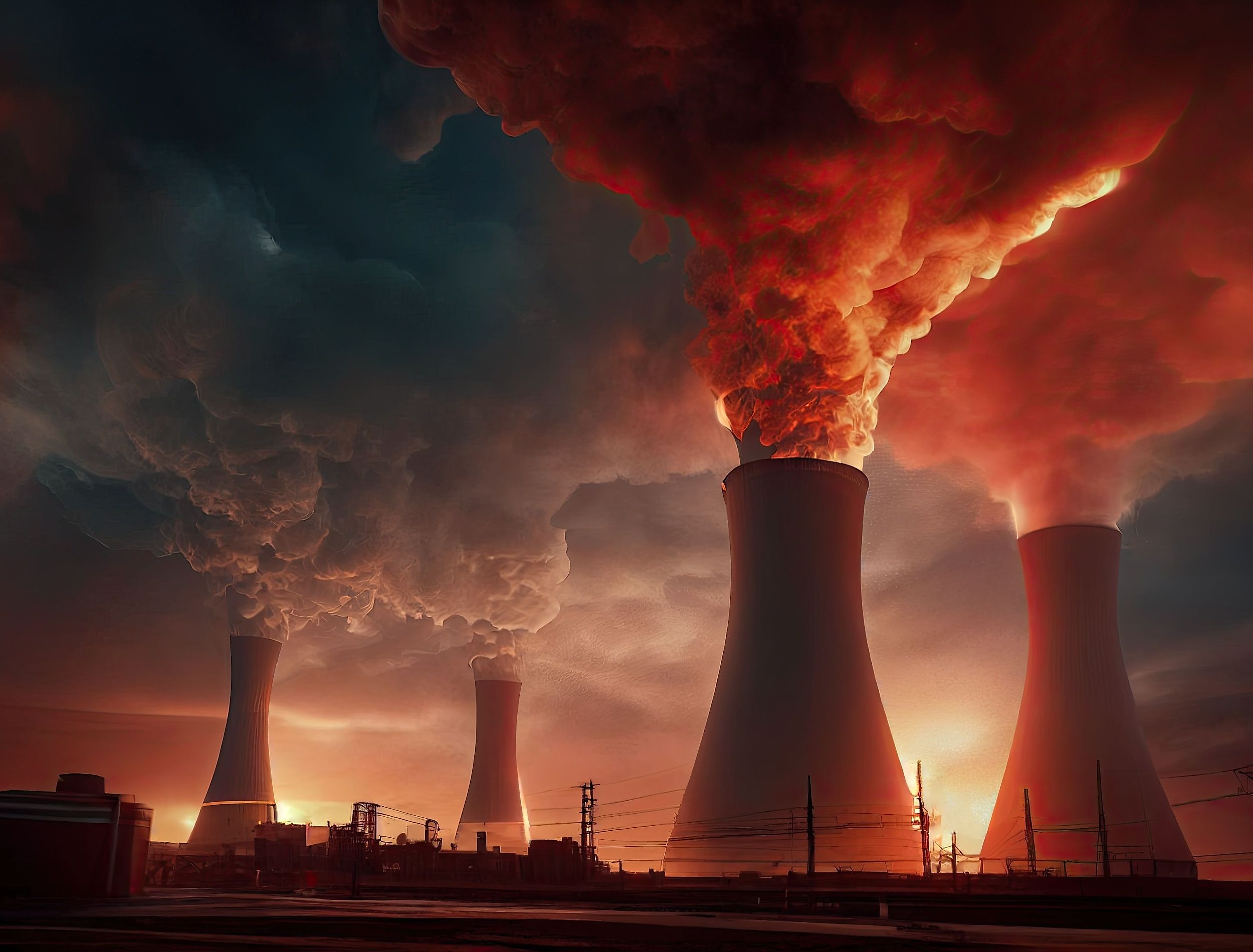
Nuclear energy, often lauded for its potential to provide clean and efficient power, has also been the catalyst for some of the most harrowing disasters in human history. The specter of radiation and the long-term consequences of nuclear accidents have cast a pall over an otherwise promising energy source, leading many to ponder: How safe is our reliance on nuclear power? As we explore the top ten nuclear disasters that shocked the world, we glimpse the frailty of human engineering and the unforgiving nature of the universe. Brace yourself for an enlightening journey through calamity, resilience, and reflection.
1. **Chernobyl Disaster (1986)**
The Chernobyl disaster, often cited as the most catastrophic nuclear accident to date, unfolded on April 26, 1986, in Ukraine. A combination of flawed reactor design and human error during a safety test led to a massive explosion, releasing an unprecedented amount of radioactive material into the atmosphere. The fallout impacted vast areas of Europe, particularly Belarus, Ukraine, and Russia. The long-term consequences included a surge in cancer cases and genetic mutations, sparking debates over nuclear safety and environmental protection.
2. **Fukushima Daiichi Nuclear Disaster (2011)**
On March 11, 2011, Japan faced the devastating triple catastrophe of an earthquake, a tsunami, and a nuclear meltdown. The Fukushima Daiichi nuclear plant, inflicted by nature’s wrath, suffered core meltdowns in three reactors. This disaster released significant amounts of radioactive materials, resulting in widespread evacuations and long-term contamination of land and water. The incident prompted the re-evaluation of nuclear energy policies worldwide, leading some nations to abandon nuclear power altogether.
3. **Three Mile Island Accident (1979)**
Located near Harrisburg, Pennsylvania, the Three Mile Island accident remains a significant event in the history of American nuclear energy. On March 28, 1979, a combination of mechanical failure, design-related problems, and human error resulted in a partial meltdown of one reactor. While the incident did not cause immediate fatalities or health repercussions, it instigated a profound loss of public trust in nuclear power, leading to increased regulatory scrutiny and stalled construction of new reactors across the United States.
4. **Kyshtym Disaster (1957)**
In the languid expanse of the Russian Urals, the Kyshtym disaster, occurring on September 29, 1957, is often overshadowed by more famous nuclear incidents. At the Mayak Production Association, an explosion in a storage tank containing highly radioactive waste released a noxious plume of radiation. The Soviet government’s attempt to cover up the incident only added to the horror, with thousands of residents exposed to radiation and the area remaining a restricted zone even decades later.
5. **Windscale Fire (1957)**
The Windscale fire, which took place in England in October 1957, marked the first major accident in a British nuclear reactor. Due to a combination of inadequate cooling and operational mistakes, a fire broke out, releasing radioactive isotopes into the surrounding environment. Though the health effects were not immediately apparent, subsequent studies revealed an increase in breast cancer cases linked to the incident, igniting concerns about reactor safety and accountability in the nuclear industry.
6. **Sluggish Response to the Tokaimura Accident (1999)**
Japan’s Tokaimura accident occurred on September 30, 1999, when workers at a uranium processing facility mistakenly mixed too many substances together, resulting in a criticality accident. The delayed emergency response exacerbated the situation, with two workers exposed to lethal doses of radiation succumbing to their injuries. The incident raised alarm bells regarding safety protocols and nuclear regulatory oversight, leading to significant changes in the handling of nuclear materials in Japan.
7. **Saint Laurent Nuclear Disaster (1980)**
The Saint Laurent nuclear disaster in France involved two separate incidents at the same plant in 1969 and 1980. The latter was particularly noteworthy due to a partial meltdown that released radioactive gases into the environment. The French authorities managed to contain the situation relatively well compared to other disasters, but the psychological impact lingered, revealing the susceptibility of even well-maintained facilities to unusual operational failures.
8. **Chalk River Nuclear Laboratories Accident (1952)**
This lesser-known incident, occurring in Canada, involved a partial meltdown of the NRX reactor at the Chalk River facilities. An attempted restart led to a coolant failure, resulting in a significant release of radiation. Unlike many other nuclear accidents, the swift response and immediate containment measures prevented extensive public exposure. However, the event highlighted the precariousness of early nuclear technology and the importance of ongoing improvements to safety protocols.
9. **Mayak Worker Radiation Exposure (1950s-60s)**
While not a singular event, the systematic exposure of workers at the Mayak facility is a chilling chapter in the annals of nuclear mishaps. Throughout the 1950s and 1960s, workers faced chronic radiation exposure due to unsafe practices and a lack of protective measures. The long-term health impacts on these individuals underline the human cost of nuclear industry negligence and the need for stringent safety standards.
10. **The Naval Accident at the USS Thresher (1963)**
The tragic sinking of the USS Thresher, a U.S. Navy nuclear submarine, in April 1963 was not the result of an accident within the reactor itself but rather the culmination of mechanical failures and insufficient operational protocols. The loss of 129 crew members remains a poignant reminder of the risks associated with nuclear vessels, leading to sweeping improvements in submarine safety standards.
As we reflect on these monumental nuclear disasters, we are confronted by the inherent risks of harnessing such a powerful force as nuclear energy. Each incident serves as a stark reminder of the need for vigilance, accountability, and innovation in safety practices within the nuclear industry. While the potential benefits of nuclear power remain tantalizingly close, it is imperative to balance that promise with an unyielding commitment to preventing future tragedies. The question remains: Can humanity harness nuclear energy responsibly, or are we destined to repeat the mistakes of our past?







Leave a Comment