
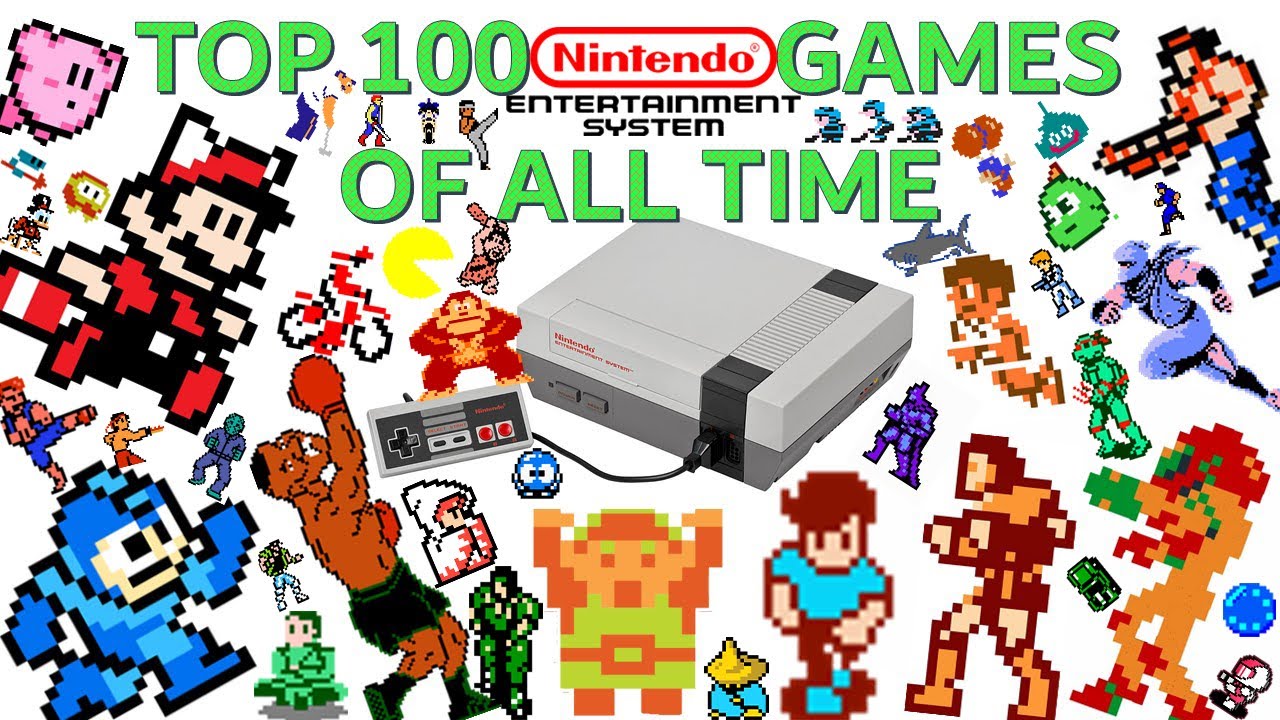
Video gaming, a realm often characterized by its rapid evolution, owes much of its historical significance to the Nintendo Entertainment System (NES). Released in the mid-80s, the NES not only breathed life into a beleaguered gaming industry but also heralded a renaissance that shaped the landscape of interactive entertainment for decades. As one peers through the kaleidoscope of nostalgia, certain titles emerge not merely as games but as cultural phenomena that captivated a generation. Herein lies a curated list of the top 10 NES games that defined an era, each illustrating the intricate tapestry of gaming history, rich with innovation, emotion, and timeless appeal.
1. Super Mario Bros.
No list would be complete without the iconic Super Mario Bros.. Released in 1985, this platformer transformed the gaming sphere with its meticulously designed levels and memorable characters. Players followed Mario, a pipe-dwelling plumber, on a quest to save Princess Toadstool from the evil Bowser. The game’s intuitive mechanics, vibrant graphics, and compelling power-ups became benchmarks for platforming games that followed. It encapsulated the adventurous spirit of gaming and established a new standard for narrative engagement.
2. The Legend of Zelda
The Legend of Zelda, released in 1986, ventured beyond mere gameplay; it introduced an expansive universe teeming with secrets and lore. Players journeyed through the whimsical land of Hyrule, wielding weapons and solving puzzles to save Princess Zelda. Its innovative mix of action, adventure, and RPG elements fostered a sense of exploration that left an indelible mark. This title underscored the importance of storytelling in video games, inviting players to immerse themselves in a rich narrative tapestry.
3. Metroid
Emerging in 1986, Metroid garnered attention for its atmospheric storytelling and sprawling, non-linear level design. Players took on the role of Samus Aran, a bounty hunter navigating alien landscapes. This game masterfully combined exploration with platforming elements, setting a precedent for the action-adventure genre. The juxtaposition of the isolated, eerie setting against the powerful protagonist sparked conversations about gender in gaming, as many players were shocked to learn that Samus was female. The whisper of discovery reverberated through discussions about identity and empowerment.
4. Donkey Kong
As one of the earliest platform games, Donkey Kong has been immortalized since its debut in 1981, later finding a home on the NES in 1986. Players were thrust into peril as they maneuvered Mario through a construction site against the formidable Donkey Kong. This game not only established the cornerstone of platformers but also introduced charismatic characters that became emblematic in video game culture. The thematic battle between hero and villain embodied the timeless struggle between good and evil, captivating players and setting trends that would endure for decades.
5. Mega Man 2
Released in 1988, Mega Man 2 brought forth a vibrant blend of action and strategy. Players controlled the titular character as he battled formidable robots, each endowed with unique abilities. The game’s unforgettable music, coupled with intricate level design and the elemental rock-paper-scissors mechanics, forged a compelling gameplay experience. Its success laid the groundwork for a franchise that celebrated creativity and innovation, ensuring that the rich world of Mega Man would resonate for generations.
6. Castlevania
Castlevania arrived on the NES in 1986 and introduced players to a gothic world filled with the supernatural. Control of Simon Belmont as he endeavored to vanquish Count Dracula proved not only thrilling but steeped in atmospheric tension. The game’s haunting aesthetics, paired with meticulous level design, evoked a sense of dread and anticipation, hallmarking it as a seminal entry in the action-adventure genre. Its focus on horror themes captured the imaginations of players, offering a glimpse into a world where fantasy and fear intertwined.
7. Final Fantasy
This seminal role-playing game, released in 1987, encapsulated the essence of epic storytelling. Final Fantasy transformed perceptions of video games, offering deep character development, intricate plots, and an expansive world. Players embarked on a quest filled with strategy and emotional depth, heralding the beginning of one of the most celebrated franchises in gaming history. Its pioneering fusion of narrative and gameplay introduced the concept of immersive RPGs, emphasizing the emotional connection players develop with their avatars.
8. Punch-Out!!
The boxing simulation of Punch-Out!!, debuting in 1987, resonated with gamers through its unique approach to competitive sports. Players controlled Little Mac as he fought his way through a colorful roster of exaggerated opponents. The game’s emphasis on pattern recognition and strategy over brute force underscored a shift toward cerebral gameplay mechanics, captivating audiences. Its quirky characters and humorous dialogue underscored a narrative flair rarely seen in sports titles.
9. Tetris
Originally developed in 1984, Tetris found a broader audience on the NES in 1989. This tile-matching puzzle game captivated players with its deceptively simple mechanics, yet the challenge it presented created an addictive cycle of engagement. Its appeal transcended cultural barriers, presenting a universal experience that underscored the beauty of simplicity through complex strategy. The enticing nature of completing lines resonated with the human desire for accomplishment, ensuring its place in gaming history.
10. Kirby’s Adventure
Rounding out the list, Kirby’s Adventure, released in 1993, introduced players to a delightful world brimming with whimsy. The game harnessed imaginative aural and visual design, allowing players to absorb enemy powers and navigate through intricate levels. Kirby’s charm and unique gameplay mechanics celebrated creativity and freedom, resonating deeply with a younger audience. Its lasting legacy is evident, as Kirby remains an enduring figure in gaming lore.
Through these titles, the NES catalyzed a cultural renaissance in gaming, offering not just entertainment but also emotional connections and profound insights into narrative and character development. Each game contributed to a larger conversation about interactive storytelling, establishing a foundation upon which the gaming industry would continue to evolve. The magic of the NES transcends mere pixels on a screen; it embodies a shared experience that defined a generation and shaped the paths of countless players. The reverberations of these games still echo through contemporary gaming, reminding us of their extraordinary legacy.







Leave a Comment