
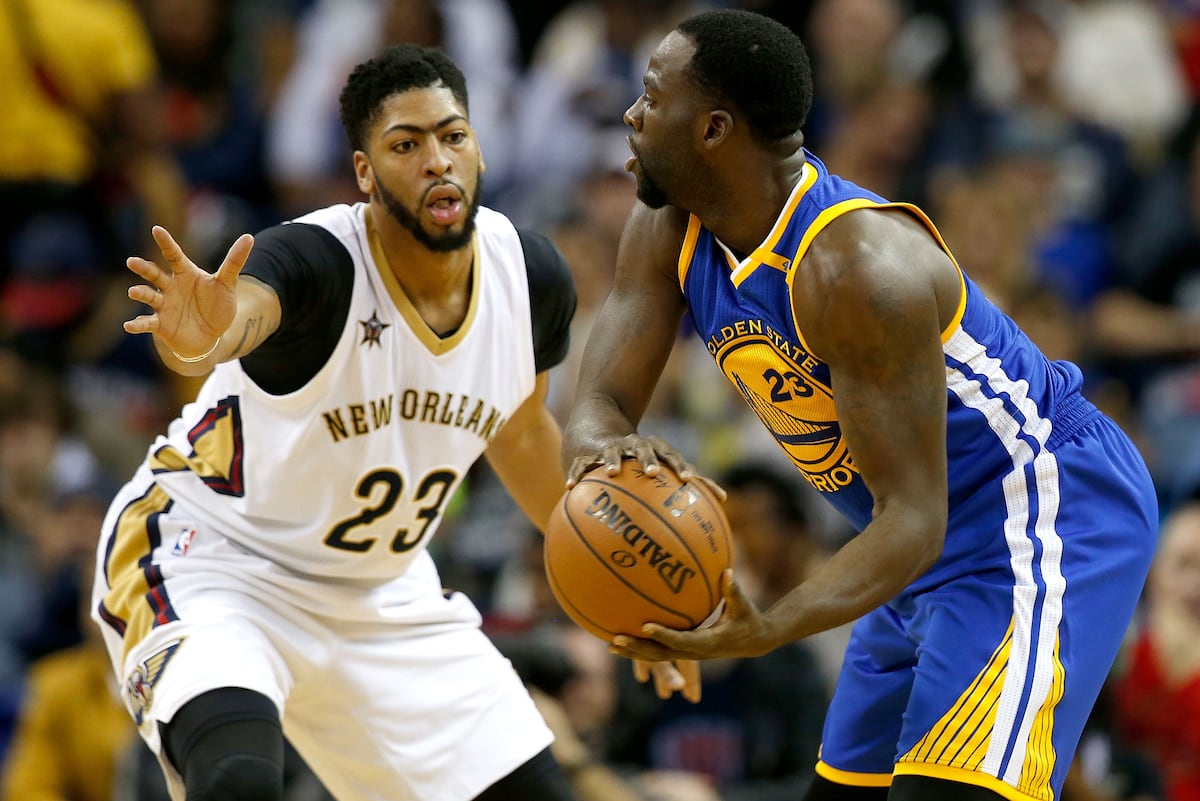
In the annals of basketball history, the power forward position has evolved tremendously. Once merely considered bruisers relegated to the paint, modern power forwards are exceptional athletes—merging speed, agility, and shooting prowess. As we celebrate the evolution of this pivotal position, let’s engage in a delightful exercise: who do you believe should be crowned the ultimate NBA power forward? As we plunge into the annals of NBA history, this exploration promises to incite debate, nostalgia, and perhaps even a bit of surprise. So, grab your virtual scorecard, and let’s unveil the top 10 power forwards of all time!
1. Tim Duncan
Often referred to as “The Big Fundamental,” Tim Duncan epitomizes the ideal power forward. Renowned for his impeccable footwork, Duncan transformed the San Antonio Spurs into a perennial contender. With five NBA championships under his belt and two MVP awards, his influence extends beyond mere statistics; he redefined the role by blending finesse with toughness. His defensive acumen and cerebral approach set a standard that resonates within the league even today.
2. Dirk Nowitzki
The German giant revolutionized the power forward position with his unprecedented shooting ability. Dirk Nowitzki, standing at 7 feet, showcased a shooting touch that made him one of the most lethal offensive threats of his time. His signature one-legged fadeaway remains iconic and virtually unstoppable. The 2007 MVP and the 2011 NBA champion etched his name in history, proving that power forwards could be more than just inside scorers—they could also be dynamite from long range.
3. Kevin Garnett
Intensity and passion personified, Kevin Garnett brought an unparalleled energy to the court. Known as “The Big Ticket,” Garnett was a defensive juggernaut—winning the Defensive Player of the Year award and earning 15 All-Star selections. His versatility allowed him to play both inside and out, while his vocal leadership transformed the fortunes of the Boston Celtics, culminating in a championship in 2008. Garnett’s relentless work ethic embodies a competitor’s spirit that aspiring players still strive to emulate.
4. Charles Barkley
With an indomitable spirit and an incredible ability to score, Charles Barkley stands as one of the most dominant power forwards in history. At just 6’6″, his rebounding prowess was remarkable, often outworking taller opponents to secure boards. His explosive gameplay and engaging personality made him a fan favorite. Despite never clinching the coveted championship ring, Barkley’s accolades, including an MVP award in 1993, affirm his place among the greats.
5. Elvin Hayes
A true pioneer, Elvin Hayes showcased scoring prowess coupled with a fierce competitive nature. Known as “The Big E,” Hayes still ranks among the top scorers in NBA history. His signature turnaround jumper and relentless work on the glass established him as an early archetype of the modern power forward. While his teams achieved only one championship during his career, his influence and legacy have significantly shaped the evolving role of power forwards.
6. Pau Gasol
Pau Gasol brought a unique blend of finesse and skill that set him apart from many of his contemporaries. A two-time NBA champion with the Los Angeles Lakers, his ability to facilitate offense as a big man redefined the power forward position. Gasol’s court vision, alongside his deft passing ability, made him a versatile threat on the floor, they often regarded him as one of the best European players to ever grace the NBA. With accolades too numerous to count, Gasol remains a celebrated figure in basketball’s rich tapestry.
7. Chris Webber
With a rare combination of size and skill, Chris Webber was revolutionary in the way power forwards operated. He was a versatile playmaker, capable of both scoring and facilitating for teammates. His time with the Sacramento Kings saw him shine, as his two-way gameplay propelled them into deep playoff runs. Webber’s ability to stretch the floor and his vision made him a unique asset during his era, inspiring a new generation of forwards.
8. Dennis Rodman
While often overshadowed by his more illustrious peers, Dennis Rodman deserves recognition for his unrelenting tenacity and defensive prowess. A five-time NBA champion, Rodman was the epitome of a rebounding specialist, dominating the boards and serving as a defensive stalwart. His eccentric personality and relentless drive not only changed games but also reinvigorated the concept of a power forward’s role within a championship-caliber team.
9. Amar’e Stoudemire
Renowned for his explosive athleticism and scoring ability, Amar’e Stoudemire was a force to be reckoned with during his prime. His time with the Phoenix Suns showcased his ability to dominate the paint, earning him multiple All-Star selections and the 2003 Rookie of the Year title. An agile and versatile scorer, Stoudemire’s ability to run the floor and finish above the rim made him a fan favorite and a nightmare for opposing defenses.
10. Bob Pettit
Decades before the modern power forward emerged, Bob Pettit set a high standard that few could reach. A two-time MVP and an 11-time All-Star, Pettit melded scoring, rebounding, and an innovative approach to the game. His all-around offensive repertoire and toughness paved the way for future generations to appreciate the nuances of the power forward position. Pettit’s legacy resonates, reminding basketball aficionados of the roots that have shaped the game.
As we reflect on the indelible marks left by these exceptional players, the debate may linger in your mind: Who truly deserves the title of the greatest power forward of all time? Each entry on this list has its strengths, characterized by moments of brilliance that have shaped NBA history. Perhaps now is the time to engage friends and fellow fans in a lively discussion, solidifying your perspective while embracing the passion that accompanies the beautiful game of basketball. The legends may have played their final games, but their legacies continue to fuel debates and inspire new generations of athletes.








Leave a Comment