
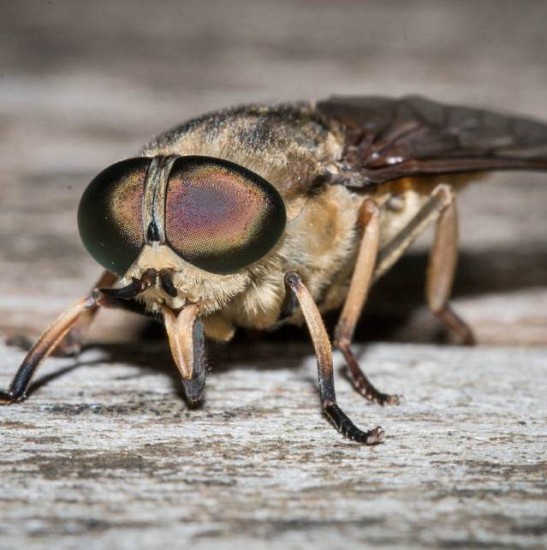
Imagine wandering through a forest, immersed in nature’s beauty, when suddenly, you recall a haunting fact: some of its inhabitants wield venom potent enough to strike fear into even the bravest among us. In the world of insects, venom is a tool of survival, wielded with precision and purpose. It plays a role in predation, defense, and even competition with rivals. So, what if you were thrust into a quiz about the most venomous insects? Could you name them without breaking a sweat? Perhaps it’s time for a challenge! Here’s a closer look at the top ten most venomous insects, ranked to intrigue and educate as you contemplate our tiny, yet formidable, counterparts.
10. The European Hornet
The European Hornet, unlike its smaller wasp relatives, carries a powerful venom that can cause pain, swelling, and allergic reactions in humans. Measuring up to 2 inches in length, it is one of the largest wasps in Europe. Although generally docile, it becomes extremely aggressive when its nest is threatened. A single sting is rarely lethal, but its medical implications warrant caution. Do you think you could handle its painful sting?
9. The Harvester Ant
This industrious little creature, found predominantly in the southwestern United States, is often underestimated. The Harvester Ant is equipped with venom that can induce excruciating pain and induce allergic reactions. New scientific studies emphasize its potential as a model organism in toxin research due to its unique venom composition. Have you ever dared to cross paths with one during a hike?
8. The Yellow Fever Mosquito
More than just an annoying summer pest, the Yellow Fever Mosquito is notorious for its ability to transmit deadly diseases such as Zika virus, dengue fever, and, of course, yellow fever itself. This insect doesn’t possess venom in the traditional sense; rather, its bite delivers pathogens that wreak havoc on human health. How do you feel about insects that bring about such catastrophic consequences?
7. The Weaver Ant
Known for their unique nesting techniques, Weaver Ants can inflict a painful bite that uses formic acid as a component of their venom. This potent cocktail can cause intense stinging sensations, swelling, and, in some cases, allergic reactions. As a sentinel of the canopy, these ants protect their territories fiercely. Would you dare challenge them for a closer glimpse?
6. The Bullet Ant
Boasting one of the most painful stings in the insect world, the Bullet Ant’s venom contains alkaloids that lead to an excruciating, burning sensation likened to being shot—hence the name. The pain can last for a staggering 24 hours. Used ceremoniously in certain indigenous rituals, encountering this ferocious ant is not for the faint-hearted. Are you prepared to embrace the challenge of its notorious sting?
5. The Cone-nosed Bug (Kissing Bug)
The Kissing Bug is infamous not only for its blood-sucking habits but also because it can transmit Chagas disease through its fecal matter. Its venom affects the human cardiovascular system profoundly, leading to potentially life-threatening conditions if left untreated. The world of insects isn’t mere pestilence; it’s a complex ecosystem with profound implications for health. Would you risk your safety for a better understanding?
4. The Asian Giant Hornet
Reaching lengths of up to 2 inches, this invasive species has garnered media attention due to its venomous sting, which can kill if someone is allergic. The venom attacks the immune system and can cause tissue damage as well. Unlike the more timid European Hornet, the Asian Giant Hornet has shown itself to be aggressive, especially when protecting its nest. How would you prepare yourself to navigate an area where they reside?
3. The Fire Ant
Fire Ants are notorious for their spicy sting, delivering venom that creates intense burning sensations. They are social insects known for their aggressive behavior in defense of their colonies. The venom contains alkaloids that elicit painful welts and can cause a systemic allergic reaction in sensitive individuals. Would you risk stepping into an anthill for a daring adventure?
2. The Flesh-eating Green Ant
Less well-known but equally dangerous, the Flesh-eating Green Ant possesses venom that can lead to necrotizing fasciitis in humans. While attacks are rare, these ants defend their nests with surprising zeal. Their striking green color camouflages them amidst foliage, hiding their dangerous capabilities. Would you have the courage to share a habitat with such stealthy predators?
1. The Honeybee
Last but certainly not least, the Honeybee deserves its place at the pinnacle of venomous insects. With its capacity to inject venom through its stinger—a defense mechanism that often leads to its own demise—this industrious insect exemplifies a paradox. The venom has potent allergic consequences, and for some, can even be fatal. Yet, the Honeybee plays a vital role in pollination, essential for ecological balance. So, how much respect do you have for this miniature, yet mighty being?
As we conclude this exploration of the most venomous insects, it is essential to remember the delicate balance of nature wherein these creatures exist. While they command respect due to their venomous attributes, they also play crucial roles in their ecosystems. So, the next time you venture outdoors, consider: Are you prepared for a promising interaction with nature’s most dangerous yet essential inhabitants?






Leave a Comment