
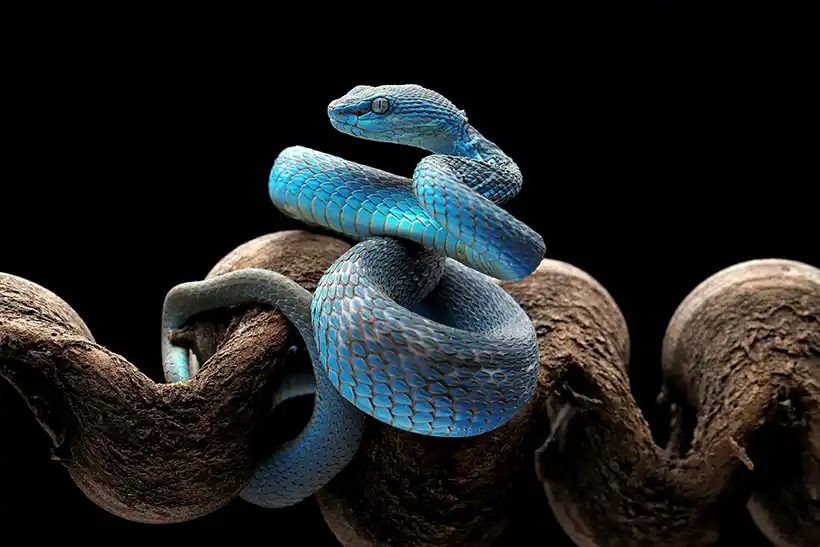
The natural world is full of wonders, from majestic landscapes to the tiniest ecosystems teeming with life. However, nestled within those ecosystems are some of the most venomous creatures known to humankind. These organisms utilize their potent venoms for defense or predation, showcasing nature’s ingenuity in evolutionary adaptation. This article delves into the realm of toxicity, presenting a detailed exploration of the top ten most venomous creatures on the planet, unveiling their unique features, habitats, and the lethal mechanisms they employ.
1. Inland Taipan (Oxyuranus microlepidotus)
Known as the world’s most venomous snake, the Inland Taipan inhabits the arid regions of Australia. Its venom contains a potent cocktail of neurotoxins and procoagulants that can lead to rapid paralysis and hemorrhaging within a victim. Remarkably, a single bite holds enough venom to kill multiple adult humans within an hour, although this snake is notoriously reclusive and rarely encountered. With its dark brown skin adorned with lighter bands, it remains well-camouflaged amongst the rocky terrain.
2. Box Jellyfish (Chironex fleckeri)
The Box Jellyfish, found predominantly in the waters around northern Australia and the Indo-Pacific region, is one of the ocean’s most terrifying predators. Its translucent bell can reach up to three feet in diameter and is equipped with numerous tentacles that contain thousands of specialized stinging cells called nematocysts. A sting from its venom can cause excruciating pain, respiratory distress, and even cardiac arrest, making it a formidable creature in the marine environment.
3. Cone Snail (Conus spp.)
Initially appearing as an unassuming marine mollusk, the Cone Snail hides a lethal secret within its shell. With a venomous harpoon-like structure known as a radula, it injects potent neurotoxins into its prey. One particular species, the Geographic Cone Snail, possesses venom capable of causing paralysis or death in humans. Their strikingly beautiful shells, however, continue to attract collectors, oblivious to the venomous threat lurking within.
4. Stonefish (Synanceia spp.)
Residing in the coastal waters of the Indo-Pacific region, the Stonefish is revered as the most venomous fish known to exist. Its uneven, camouflaged exterior allows it to blend seamlessly with its surroundings, making it a remarkable ambush predator. When inadvertently stepped on, its dorsal fin spines inject venom that can lead to intense pain, swelling, and in severe cases, death. Quick medical intervention is essential for those unfortunate enough to encounter this elusive creature.
5. Blue-Ringed Octopus (Hapalochlaena spp.)
A small but terrifying inhabitant of the Pacific and Indian Oceans, the Blue-Ringed Octopus displays vibrant blue rings as a warning signal to potential predators. Despite its diminutive size, it carries enough venom, primarily tetrodotoxin, to kill several adult humans within minutes. This neurotoxin blocks sodium channels, leading to paralysis. Its enigmatic beauty belies the lethal potential that makes caution paramount when exploring its vibrant habitat.
6. Pufferfish (Tetraodontidae)
Famed for their ability to inflate dramatically when threatened, Pufferfish possess a unique form of defense in the form of tetrodotoxin. This substance is found primarily in their organs and skin, making them extremely poisonous to potential predators, including humans. Interestingly, certain cultures prize Pufferfish as a delicacy, known as fugu, but only when prepared by licensed chefs with precise knowledge of the species’ toxic anatomy, highlighting the fine line between culinary art and danger.
7. Funnel-Web Spider (Atrax spp.)
Natively found in Australia, the Funnel-Web Spider boasts a reputation for its aggressive behavior and lethal venom. Its bite can inflict severe pain and neurological distress, particularly in humans. The venom contains a potent neurotoxin that can lead to severe symptoms, making immediate medical attention crucial. With its distinctive funnel-shaped web and glossy black appearance, this spider is both a marvel of evolution and a cautionary tale of the dangers lurking in our surroundings.
8. Egyptian Cobra (Naja haje)
The Egyptian Cobra, revered in ancient Egyptian culture, is among the most significant venomous snakes on the African continent. It possesses neurotoxic venom that can affect the nervous system, causing paralysis and eventually respiratory failure if left untreated. Featured prominently in art and mythology, this snake symbolizes both danger and reverence. Its striking hood and mesmerizing patterns add to its enigmatic allure, yet caution is warranted when in proximity to this formidable reptile.
9. Marbled Cone Snail (Conus marmoreus)
A relative of the deadly Geographic Cone Snail, the Marbled Cone Snail is just as formidable. Found in warm offshore waters, its venom comprises a complex blend of neurotoxins that can induce paralysis in its prey swiftly. The beautiful marbled pattern on its shell belies the lethal capabilities hidden within. Its hunting prowess, using rapid venom delivery to immobilize prey, showcases an intricate evolutionary adaptation that emphasizes the importance of adaptation in survival.
10. Tarantula Hawk Wasp (Pepsis grossa)
This large, striking wasp is notorious for delivering one of the most painful stings known to humans. The Tarantula Hawk Wasp uses its potent venom to paralyze tarantulas, which it then uses as a living food source for its larvae. Luckily for humans, while the sting is excruciating and triggers intense agony, it is not life-threatening. The vibrant coloration of the wasp serves as a warning for potential threats, a perfect reminder of nature’s dispense of beauty interlaced with danger.
In conclusion, the diversity of venomous creatures on our planet is nothing short of astonishing. From the majestic oceans to dense forests, these organisms have developed potent means of survival, showcasing the awe-inspiring complexity of life on Earth. Whether situated in remote locations or nearby, each creature serves as a poignant reminder of nature’s unwavering ingenuity and the need for respect and caution in their presence. The world of venom is as captivating as it is perilous, revealing how beauty and danger are often intertwined in the tapestry of life.










Leave a Comment