
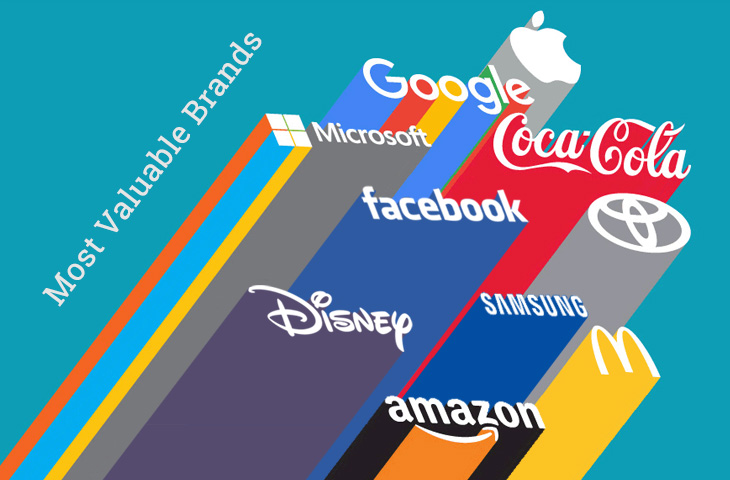
In an era dominated by rapid technological advancement and globalization, the world’s most valuable companies serve as harbingers of economic prosperity and innovation. As power centers of the global market, these corporate giants are not just influential in terms of capital but also wield considerable socio-economic implications. Their extraordinary valuations invite fascination, illuminating deeper narratives related to consumer behavior, market dynamics, and ethical quandaries. Herein, we explore the top ten most valuable companies that meticulously weave their influence through the fabric of contemporary existence.
1. Apple Inc.
With its unparalleled market cap, Apple Inc. stands as a paragon of innovation and consumer loyalty. Pioneering the smartphone revolution with the iconic iPhone, Apple’s seamless integration of technology into daily life fosters a cult-like following. Their mastery in design and user experience not only captivates consumers but has effectively altered communication paradigms, reinforcing the company’s status as a technology titan.
2. Microsoft Corporation
Microsoft’s journey from a software-centric entity to a multifaceted cloud computing powerhouse exemplifies strategic evolution. Their cloud service, Azure, paired with Office 365’s ubiquitous software, creates a formidable ecosystem that not only enhances productivity but underscores the critical value of collaboration in the digital age. This adaptability reflects a keen understanding of market needs, appealing to both individual and corporate consumers.
3. Saudi Aramco
As the crown jewel of Saudi Arabia’s economy, Saudi Aramco’s unparalleled oil reserves secure its place among the world’s most valuable companies. The firm’s vast resources and operational efficiency highlight the critical importance of energy in global markets. Additionally, the implications of fossil fuel dependency and the shift towards sustainable energy sources prompt deeper conversations about environmental stewardship and future energy policies.
4. Alphabet Inc.
Alphabet Inc., the parent company of Google, epitomizes the vast potential of data-driven innovation. By creating a digital ecosystem through search engines, advertising, and cloud services, Alphabet has fundamentally transformed how information is accessed and utilized. Its AI advancements further push the envelope of technology, raising questions about privacy, ethics, and the future of work in automated environments.
5. Amazon.com, Inc.
Amazon’s ascendancy from an online bookstore to an e-commerce behemoth represents a seismic shift in consumer behavior. The company’s mastery of logistics and supply chain optimization ensures rapid delivery and convenience, re-defining shopping norms. However, alongside its meteoric growth lies an intricate web of labor practices and environmental concerns, captivating public discourse on the responsibilities of modern corporations.
6. Tesla, Inc.
Pioneering the electric vehicle (EV) market, Tesla’s innovative prowess is encapsulated in its ambitious vision to accelerate the world’s transition to sustainable energy. By blending cutting-edge technology with environmental consciousness, Tesla appeals to a growing demographic that prioritizes sustainability. This focus not only revolutionizes transportation but also signals an industry-wide shift toward greener practices, invoking broader societal discussions around climate change.
7. Berkshire Hathaway Inc.
Under the stewardship of Warren Buffett, Berkshire Hathaway’s unique conglomerate model is steeped in value investing principles. Its varied portfolio spanning insurance, utilities, and consumer goods underscores the importance of diversification. The company embodies the principles of patient capital and long-term planning, offering a counter-narrative to the fast-paced nature of tech-driven valuations seen elsewhere in the market.
8. Meta Platforms, Inc.
Meta, formerly known as Facebook, is at the forefront of social media evolution. The company’s attempts to redefine social interaction through the metaverse allude to a future saturated with virtual possibilities. Nonetheless, ethical concerns regarding data privacy and the impact of social media on mental health are critical discussions that intertwine with Meta’s narrative, forcing a re-examination of its influence on contemporary society.
9. Nvidia Corporation
Nvidia’s unparalleled dominance in the GPU market signifies a crucial role in the evolution of gaming, AI, and deep learning technologies. Its innovations empower industries across the spectrum, showcasing the symbiosis between hardware and software advancements. The burgeoning interest in artificial intelligence and machine learning reinforces Nvidia’s strategic importance in shaping the technological landscape, yet also raises critical discussions about the future implications of its rapid development.
10. Taiwan Semiconductor Manufacturing Company (TSMC)
As the linchpin of the global semiconductor supply chain, TSMC’s contributions underscore the integral nature of technology in modern economies. Its commitment to cutting-edge manufacturing techniques positions it crucially in the technology race, particularly amidst geopolitical tensions. The burgeoning awareness of technological sovereignty emphasizes the significance of semiconductor firms like TSMC, invoking discourse around global trade dynamics and national security.
In conclusion, the most valuable companies dominating the world today are not merely identified by their financial metrics; they are interwoven with narratives that reflect broader societal shifts and challenges. Each entity encapsulates a story of innovation, adaptation, and responsibility, revealing how businesses shape and are shaped by the world around them. As these corporate giants continue to evolve, their trajectories will undoubtedly provoke further discourse on the ethics of growth, sustainability, and the future of human interaction. In examining their influence, we gain insight into the delicate balance between profitability and societal impact, solidifying the notion that the most valuable companies are, in essence, reflections of societal values and aspirations.







Leave a Comment