
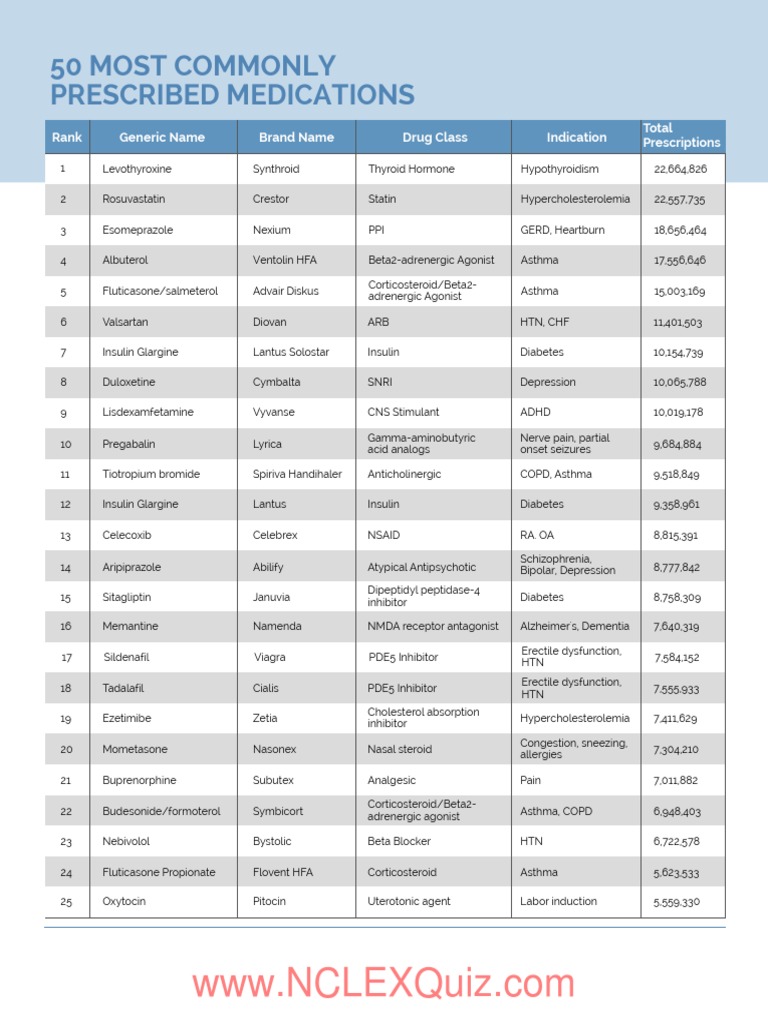
The world of pharmaceuticals is an intricate tapestry woven with the threads of science, health, and societal needs. As we navigate through this complex realm, one phenomenon stands out: the most prescribed medications that significantly shape the global landscape of healthcare. The following list explores the top ten medications that have become staples in modern medical practice. Each of these drugs not only addresses specific health challenges but also reflects broader trends in public health and patient care.
1. Atorvastatin (Lipitor)
Atorvastatin, more widely known by its brand name Lipitor, is a titan in the realm of cholesterol-lowering medications. This statin is commonly prescribed to patients grappling with hyperlipidemia or at risk of cardiovascular diseases. By inhibiting the enzyme HMG-CoA reductase, atorvastatin effectively reduces levels of low-density lipoprotein (LDL) cholesterol, often referred to as “bad” cholesterol. Its pervasive use underscores a shift towards preventative measures in cardiovascular health, making it a cornerstone of modern medicine.
2. Levothyroxine (Synthroid)
Levothyroxine, marketed as Synthroid, is indispensable for managing hypothyroidism, a condition characterized by insufficient thyroid hormone production. As the global prevalence of thyroid-related disorders rises, this medication helps normalize metabolic rates and energy levels, thus dramatically improving patients’ quality of life. Its inclusion in the top prescribed list highlights a growing awareness and proactive approach to endocrine disorders.
3. Lisinopril (Prinivil, Zestril)
Lisinopril, a member of the angiotensin-converting enzyme (ACE) inhibitor family, is predominantly prescribed for hypertension and heart failure. By relaxing blood vessels, it improves blood flow and reduces strain on the heart. The medication symbolizes not only the management of chronic conditions but also the holistic approach to cardiovascular health. Its routine administration is a testament to the advances in pharmacotherapy aimed at prolonging lives and enhancing patient outcomes.
4. Metformin (Glucophage)
Metformin is a mainstay for type 2 diabetes management, celebrated for its efficacy and minimal side effects. By decreasing hepatic glucose production and improving insulin sensitivity, it helps patients maintain better blood sugar control. As the incidence of diabetes skyrockets globally, metformin’s role in managing this chronic condition reflects a broader societal shift towards addressing lifestyle-related health issues through medication.
5. Amlodipine (Norvasc)
Amlodipine, a calcium channel blocker, is frequently prescribed for hypertension and angina. Its ability to enhance blood flow and decrease heart workload makes it an essential component of comprehensive cardiovascular therapy. The drug’s popularity speaks volumes about the proactive management of heart conditions, illustrating how pharmacological innovations contribute to a healthier populace.
6. Omeprazole (Prilosec)
Omeprazole is a proton pump inhibitor that dramatically alters the treatment landscape for gastroesophageal reflux disease (GERD) and other acid-related disorders. By suppressing gastric acid secretion, it provides relief from painful symptoms and promotes healing of esophageal lining. Its widespread prescription reflects the growing recognition of gastrointestinal health as a vital component of overall well-being.
7. Simvastatin (Zocor)
The second statin to grace our list, simvastatin, operates similarly to atorvastatin, lowering LDL cholesterol to combat cardiovascular risk. Its historical significance cannot be understated; it paved the way for a more aggressive approach to cholesterol management. The continued prescribing of simvastatin underscores a commitment to reducing heart disease at a population level, the effects of which can be monumental.
8. Losartan (Cozar)
Losartan is an angiotensin receptor blocker (ARB) that has gained traction in the treatment of hypertension and chronic kidney disease, particularly in diabetic patients. By selectively blocking receptors that constrict blood vessels, it facilitates better blood flow and kidney function. The rise of losartan in prescription frequency is indicative of a more conclusive understanding of the interplay between hypertension and renal health.
9. Gabapentin (Neurontin)
Gabapentin primarily serves as an anticonvulsant and neuropathic pain agent, often prescribed for its effectiveness in managing seizures as well as pain associated with neuropathy. Its diverse applications showcase the evolving nature of pain management and neurological treatment. The increasing reliance on gabapentin illustrates a broader acceptance of multidisciplinary approaches to pain relief.
10. Albuterol (Ventolin)
Albuterol is a bronchodilator commonly prescribed for asthma and chronic obstructive pulmonary disease (COPD). By relaxing the airway muscles, it enables easier breathing for patients suffering from respiratory conditions. The prominence of albuterol signifies the ongoing battle with respiratory ailments in today’s world, as awareness of respiratory health continues to grow.
In conclusion, the medications listed herein do not merely represent statistics; they embody the unique intersections of patient needs, ongoing research, and healthcare advancements. Each drug plays a pivotal role in transforming lives, redefining boundaries, and setting a standard in the medical community. As we advance into a future replete with technological innovations and discoveries, the evolving landscape of prescribed medications will likely continue to mirror the shifting paradigms of health, wellness, and medical practice. Understanding these medications fosters appreciation for the intricate mechanisms at play and the importance of responsible use in enhancing global health outcomes.










Leave a Comment