
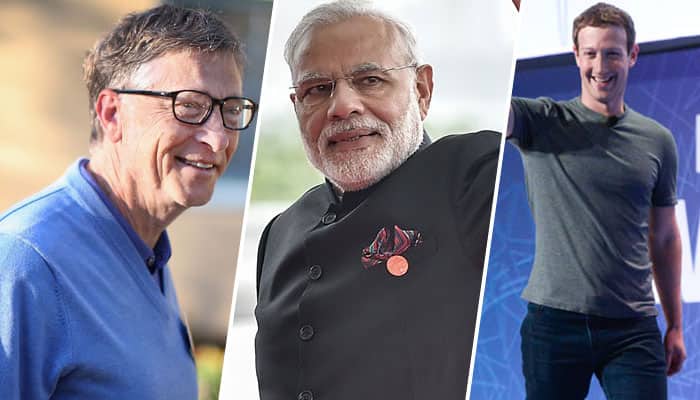
In a world, increasingly shaped by globalization and rapidly evolving geopolitical dynamics, the concept of power has transcended conventional borders. It is no longer solely about military might or economic authority; today’s power wielders possess influence that spreads like an intricate web across nations, cultures, and industries. Understanding who holds this power can offer profound insights into the prevailing currents of global affairs. Here we explore the top ten most powerful people globally, delving into their influence and the unique characteristics that define their power.
1. Joe Biden – President of the United States
As the leader of the world’s foremost superpower, Joe Biden wields significant authority not only over American policy but also global diplomacy. Since assuming office, Biden has focused on rebuilding alliances, addressing climate change, and navigating an increasingly challenging relationship with China. His capability to enact legislation, influence multinational agreements, and maintain military readiness marks him as an indomitable force on the global stage.
2. Xi Jinping – President of China
Xi Jinping is emblematic of modern authoritarianism, consolidating power in a manner rarely witnessed in recent history. His leadership style is characterized by a shrewd blend of nationalism, economic strategy, and social control. Xi’s Belt and Road Initiative signifies a quest for global influence through infrastructure investments, thus shaping the trajectory of emerging economies. His tight grip on domestic affairs, coupled with aggressive foreign policy moves, makes him one of the most consequential figures in contemporary geopolitics.
3. Vladimir Putin – President of Russia
The enigmatic nature of Vladimir Putin’s governance encapsulates a blend of pragmatism and unpredictability. With a background in intelligence, his approach to power is methodical and often ruthless. Putin asserts control over Russia’s vast resources and leverages military prowess, as evidenced in recent incursions and strategic maneuvers. His actions continue to draw polarized reactions from the international community, affirming his stature as a formidable player who reshapes global narratives.
4. Ursula von der Leyen – President of the European Commission
As the foremost figure in the European Union, Ursula von der Leyen embodies the complexities of continental governance. Her role encompasses navigating the multifaceted challenges facing Europe, from economic stability and migration to climate action and digital transformation. With the power to influence legislation that affects over 450 million citizens, her leadership is crucial in steering Europe toward a unified vision amidst rising populism and internal friction.
5. Jeff Bezos – Founder of Amazon
Jeff Bezos transcends the conventional boundaries of business magnates to integrate into discussions on global influence. His tenure at the helm of Amazon heralded a paradigm shift in retail and technology, with ramifications that extend into financial markets, labor dynamics, and consumer behavior worldwide. Bezos’ foray into space exploration with Blue Origin further exemplifies his visionary pursuits, challenging the status quo in multiple industries.
6. Elon Musk – CEO of Tesla and SpaceX
Elon Musk embodies the archetype of an innovator with audacious ambition. His relentless pursuit of sustainable energy solutions and commercializing space travel positions him as a revolutionary figure. Musk’s ventures, including Neuralink and Starlink, are emblematic of his far-reaching vision that seeks to redefine human capabilities. His digital presence and bold proclamations often spark debates and build substantial followings, effectively rendering him both a disruptor and a trendsetter.
7. Pope Francis – Head of the Roman Catholic Church
In a world rife with division, Pope Francis emerges as a moral compass for millions. His advocacy for social justice, climate action, and interfaith dialogue positions him as a spiritual leader extending beyond religious confines. With a unique ability to engage with diverse audiences, he sparks conversations about humanitarian issues that evoke empathy and inspire action globally, reinforcing his profound influence in a secular age.
8. Jacinda Ardern – Prime Minister of New Zealand
Jacinda Ardern has garnered international acclaim for her empathetic leadership style and decisive governance. Her handling of crises, such as the Christchurch mosque shootings and the COVID-19 pandemic, showcased a blend of compassion and pragmatism. Advocating for progressive policies on climate change and social equity, Ardern represents a new wave of leadership that intertwines ethical considerations with executive decision-making, profoundly influencing public discourse.
9. Mark Zuckerberg – CEO of Meta (formerly Facebook)
Mark Zuckerberg stands at the helm of one of the largest social media platforms that shapes societal communication and public engagement. As Meta seeks to pioneer the metaverse, the implications of Zuckerberg’s vision extend far beyond mere social interaction, influencing economic structures and privacy considerations. His decisions reverberate through political landscapes, thus solidifying his position as a pivotal architect of digital society.
10. Tim Cook – CEO of Apple
Tim Cook has transformed Apple into a cultural phenomenon, reinforcing its status as a leader in technology. His emphasis on privacy, sustainability, and innovation has recalibrated consumer expectations while navigating complex global supply chains. Cook’s strategic decisions, particularly regarding international markets and technological advancements, underscore Apple’s omnipresence in daily life and its potential to influence global trends.
In conclusion, the individuals highlighted in this exploration represent a broad spectrum of influence across the globe. Their ability to shape politics, economy, society, and culture elucidates the multifaceted nature of power today. Recognizing their actions and motivations not only enhances our understanding of global dynamics but also invites us to reflect on the interconnectivity of our world. As these figures navigate challenges and pursue their visions, they wield the capacity to prompt shifts in perspective that are profoundly transformative.







Leave a Comment