
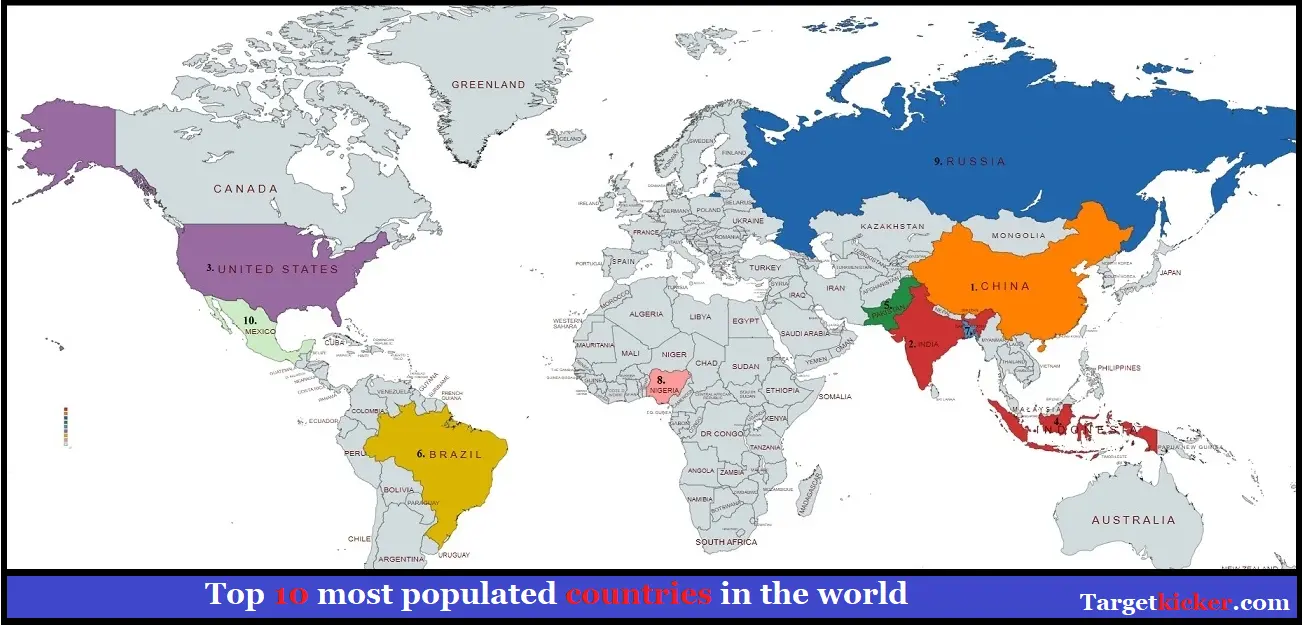
Have you ever pondered the vastness of our world and the multitude of cultures that exist within it? The sheer number of individuals inhabiting our planet presents both challenges and opportunities. As the global population continues to swell, certain countries stand out due to their remarkable demographic figures. Here, we delve into the ten most populated countries in the world, exploring their unique attributes and the implications of their burgeoning populations.
1. China
With a staggering population exceeding 1.4 billion people, China holds the title as the most populated country on Earth. This immense demographic is not merely a statistic; it represents a rich tapestry of history and culture, woven together through thousands of years of civilization. Urban centers like Beijing and Shanghai are bustling hubs of activity, showcasing a blend of ancient traditions and modern advancements. However, with such a large population come challenges, including urban congestion and environmental stressors. How might China balance growth with sustainability in the coming decades?
2. India
Hot on the heels of China is India, with a population slightly less than that of its northern neighbor, also estimated to be around 1.4 billion. India is renowned for its incredible diversity, encompassing a multitude of languages, religions, and customs. From the snowy peaks of the Himalayas to the lush landscapes of Kerala, this nation is as varied as its populace. Yet, rapid urbanization presents a distinct challenge—can the sprawling cities accommodate the influx of people while maintaining infrastructure and resources?
3. United States
The United States ranks third, with a population of approximately 331 million. This vast nation serves as a melting pot of cultures, ideas, and innovations. The demographic landscape is continually evolving, driven by immigration and diverse birth rates. Each state boasts its own unique character—from the rolling hills of Appalachia to the vibrant streets of Los Angeles. However, the U.S. faces pressing issues such as healthcare access and income inequality. How will the nation address these disparities while fostering growth and inclusion?
4. Indonesia
Indonesia, the largest archipelago in the world, is home to over 270 million people. With thousands of islands, each housing unique ethnic groups and languages, Indonesia is a stunning demonstration of cultural richness. The challenges here are multifaceted, ranging from political stability to environmental concerns like deforestation and rising sea levels. As a country significantly impacted by climate change, how can Indonesia forge a sustainable path forward while accommodating its burgeoning population?
5. Pakistan
With a population of around 225 million, Pakistan occupies the fifth spot on the list. It presents a vibrant cultural mélange influenced by its rich history and strategic location. The nation is marked by diverse landscapes—from the arid deserts of Sindh to the mountainous regions of Gilgit-Baltistan. Nevertheless, Pakistan grapples with issues related to education and healthcare access. In a rapidly changing world, can Pakistan harness its youthful population to drive economic progress while ensuring equity and opportunity for all?
6. Brazil
Brazil, with a population of around 213 million, offers a fascinating blend of cultural influences, from indigenous traditions to European and African heritage. Famous for its vibrant festivals like Carnival, Brazil epitomizes the importance of social cohesion amid diversity. Yet, urban issues such as crime and poverty remain significant hurdles. As Brazil continues to embrace globalization, can it create sustainable pathways for economic equality and social justice?
7. Nigeria
A critical player in Africa, Nigeria boasts a population of approximately 211 million. Known for its extensive ethnic diversity, Nigeria’s cultural fabric is woven with numerous languages and traditions. Despite economic potential fueled by a rich array of natural resources, Nigeria faces challenges including political instability and a lack of infrastructure. As the population grows, can Nigeria stabilize its economy and transform itself into a leading global player?
8. Bangladesh
Bangladesh, with its population nearing 170 million, showcases a strong sense of community and resilience. From its lush green landscapes to bustling urban centers, it has made substantial strides in economic growth. However, the country is vulnerable to natural disasters and climate change impacts, raising concerns for its densely populated regions. In the face of such adversity, can Bangladesh innovate its way into a brighter, more sustainable future?
9. Russia
With about 146 million people, Russia ranks ninth. Spanning both Europe and Asia, this vast territory embodies a rich historical and cultural narrative. While its population is substantial, it has faced stagnation and decline in certain areas. Demographic shifts pose challenges, particularly concerning an aging population and migration patterns. Thus, the question arises: how can Russia revitalize its population dynamics while fostering innovation and economic growth?
10. Mexico
Finally, Mexico rounds out the list with a population of around 130 million. It is a nation celebrated for its rich heritage, extraordinary cuisine, and dynamic cities. Immigration trends and a youthful demographic position Mexico as a country with significant potential for growth. Yet, it also contends with socio-economic disparities and challenges related to violence. Can Mexico unify its diverse regions to cultivate a future that is prosperous and secure for all its citizens?
As we survey the demographic landscape of the top ten most populated countries, the complexities and opportunities become increasingly apparent. Each nation carries with it a unique set of challenges that must be navigated delicately. The question remains—how can these countries harness their populations to create a future that benefits not just their citizens, but the global community as well? The pathway is uncertain, but the potential is immense.







Leave a Comment