
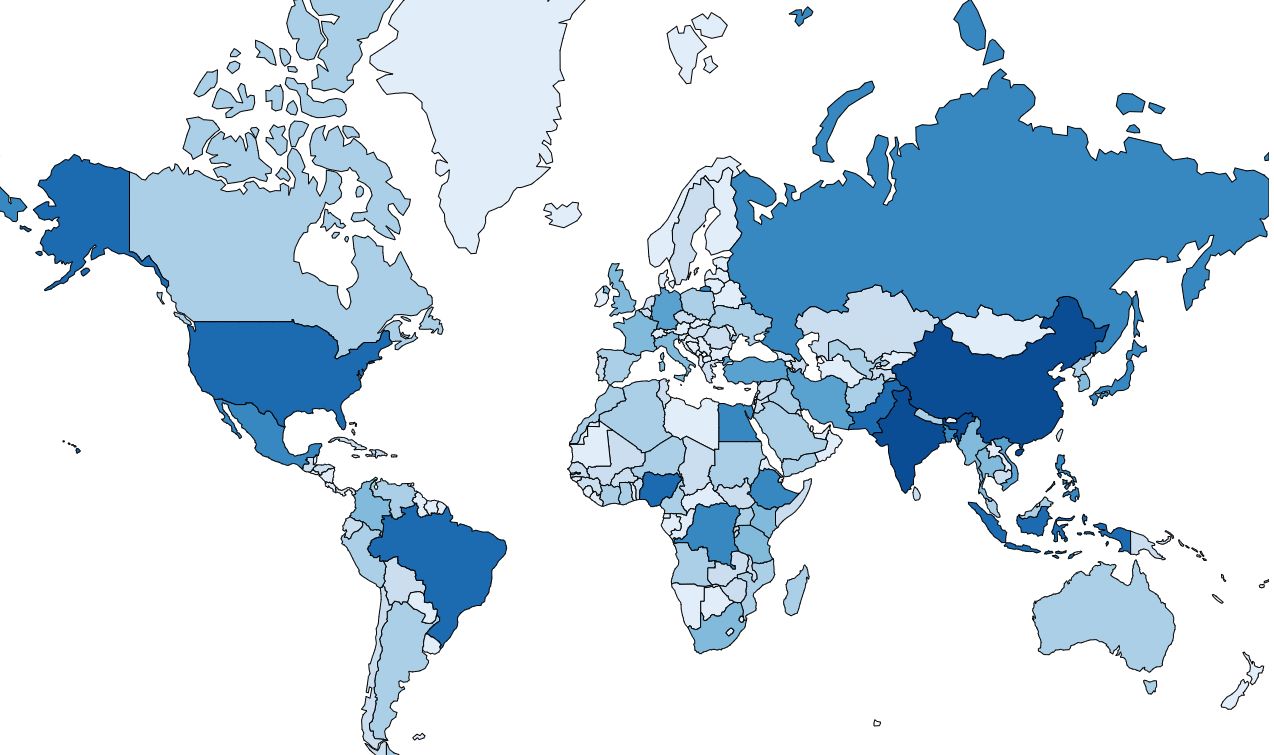
As we venture deeper into the 21st century, the demographics of our planet continue to evolve dramatically. Population growth dynamics are influenced by an array of factors, ranging from economic developments to public health initiatives. The following article explores the top ten most populated countries in the world projected for 2026, delving into their unique demographics and characteristics. Understanding these nations’ populations not only sheds light on their present but also hints at their potential future trajectories.
1. **China**
With an estimated population of approximately 1.42 billion, China remains the most populous country in the world. This East Asian giant is marked by its vast geographic expanse and cultural diversity. While urbanization trends continue to reshape its landscapes, massive metropolitan areas like Beijing and Shanghai command attention for their economic prowess. The Chinese government’s historical one-child policy has contributed to an aging population, a demographic challenge that authorities are keen to address in the coming years.
2. **India**
Hot on the heels of China, India is projected to reach around 1.41 billion inhabitants by 2026, making it a formidable contender in the population race. The Indian subcontinent is characterized by a rich tapestry of languages, religions, and traditions. Unlike China, India’s youthful demographic structure promises a thriving workforce, which is essential for sustained economic growth. The country’s approach to education and healthcare will play a crucial role in capitalizing on this demographic dividend.
3. **United States**
The United States is projected to have a population of approximately 339 million by 2026, retaining its status as the third largest country worldwide. A mosaic of cultures and ethnicities, the US is renowned for its strong immigration policies that continuously enrich its societal fabric. The demographic landscape is shifting, with increasing diversity and a growing Hispanic community. This evolution poses unique challenges and opportunities in political representation, economic engagement, and cultural integration.
4. **Indonesia**
Indonesia, the largest archipelago nation, is anticipated to reach around 276 million residents by 2026. Recognized for its ethnic heterogeneity, the country boasts over 300 distinct ethnic groups. This varied makeup fuels dynamic interactions within its society. Indonesia’s geographic dispersion across numerous islands presents logistical challenges, particularly in terms of infrastructure and service delivery. However, the country is progressively enhancing technological advancements, which facilitate improved connectivity and economic growth.
5. **Pakistan**
Pakistan’s population is expected to surge to approximately 240 million by 2026. This South Asian nation grapples with multifaceted challenges, including poverty and educational barriers, yet it possesses untapped potential due to its youthful demographics. As the fifth most populous nation, Pakistan’s labor force is burgeoning, which could propel economic advancements if harnessed effectively. The government’s ability to prioritize education and health services will be paramount in guiding Pakistan toward a more prosperous future.
6. **Brazil**
With a projected population of around 220 million, Brazil occupies the sixth spot in this demographic rundown. This South American giant is celebrated for its vibrant culture, marked by an array of festivals, music, and cuisine. However, Brazil faces significant socio-economic inequalities that challenge sustainable development. Urban areas like São Paulo and Rio de Janeiro epitomize fast-paced growth yet also highlight the stark contrast between affluence and impoverishment. Effective policies are essential in addressing these disparities.
7. **Nigeria**
In 2026, Nigeria’s population is projected to reach approximately 226 million, solidifying its position as Africa’s most populous nation. The country is incredibly diverse; it is home to over 250 ethnic groups and several languages. Despite facing substantial challenges such as political instability and infrastructural deficits, Nigeria’s youthful population offers a glimpse of potential innovation and economic dynamism. Fostering an entrepreneurial mindset and investing in education will be crucial for its future prospects.
8. **Bangladesh**
Bangladesh is expected to have around 170 million residents by 2026. This densely populated nation is characterized by its remarkable resilience and rapid urban growth. Its historical journey from impoverishment towards improvement underscores the power of education and economic reforms. Ultimately, Bangladesh has emerged as a significant player in the global textile industry, demonstrating its capacity to adapt and thrive despite considerable challenges.
9. **Russia**
By 2026, Russia’s population is projected to settle around 143 million, maintaining its status as the largest country by land area. The demographic trends here highlight a complex interplay of declining birth rates and immigration patterns. As a unique melting pot of cultures and ethnic backgrounds, Russia presents a myriad of opportunities for cultural exchange. Addressing the demographic decline will be essential for fostering a more robust, sustainable future.
10. **Mexico**
Mexico rounds out the list with an estimated population of 132 million in 2026. This North American nation is distinguished by its profound cultural heritage and burgeoning economy. With a youthful demographic, Mexico is well-positioned to witness significant economic growth; however, it must contend with challenges related to crime and inequality. Focusing on innovative educational strategies and community engagement will be pivotal in unlocking Mexico’s full potential.
In conclusion, understanding the population dynamics of these ten nations offers invaluable insights into their respective potentials and challenges. As we look to the future, the interplay of demographics, economic growth, and social development will shape not only these countries but also the global landscape. The population projections for 2026 serve as a reminder of the pressing need for sustainable policies that address the complexities of growth, ensuring that each nation can harness its unique demographic strengths for a prosperous future.









Leave a Comment