
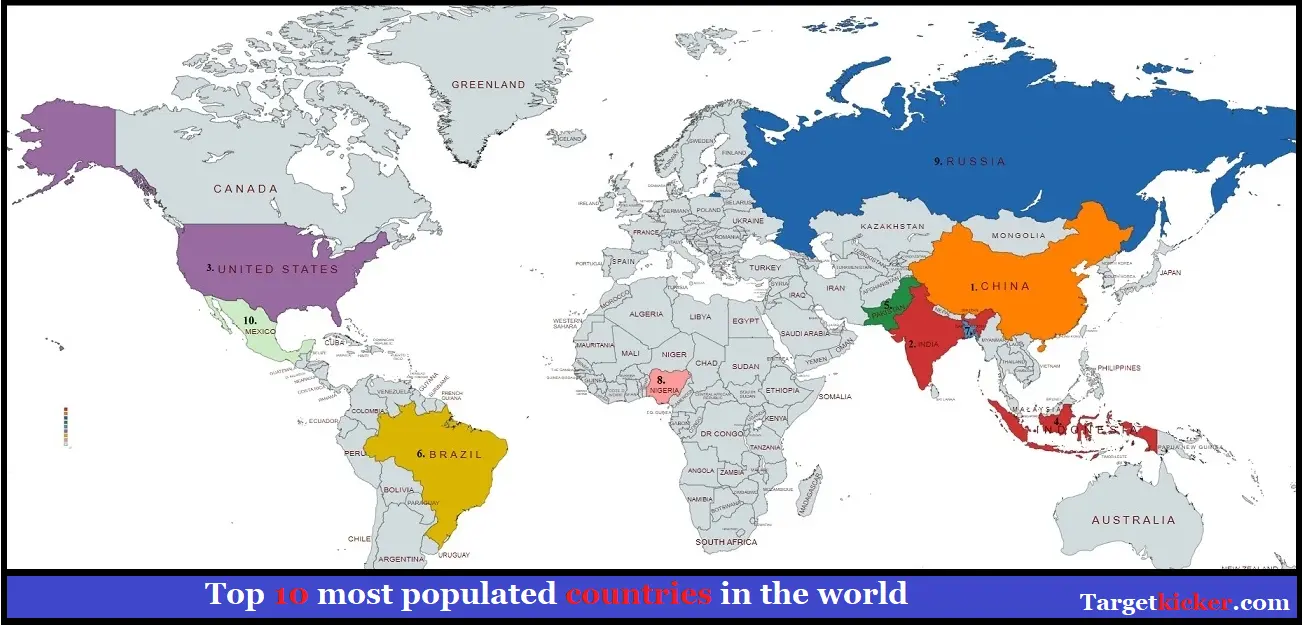
Population dynamics can often serve as a mirror reflecting various sociocultural, economic, and political phenomena within a country. The sheer number of inhabitants in a nation can indicate not just capacity but also a labyrinth of complexities emerging from historical migrations, urbanization patterns, and fertility rates. This article explores the ten most populated countries in the world, delving into the numbers and the underlying narratives that render these nations both fascinating and multifaceted.
1. China
Boasting a staggering population of over 1.4 billion, China embodies both ancient civilization and modern prowess. Its expansive territory encompasses diverse terrains and climates, contributing to a rich tapestry of ethnic groups. The one-child policy, which was in effect for decades, has shaped demographic trends, leading to an aging population and gender imbalances. The rapid urbanization, particularly in megacities like Shanghai and Beijing, reveals an intriguing juxtaposition of tradition and modernity, as rural inhabitants flock to urban centers seeking better livelihoods.
2. India
Close on the heels of China, India is home to an equally impressive population, surpassing 1.4 billion people. This South Asian giant is an intricate mosaic of languages, religions, and cultures. India’s demographic dividend could herald economic growth; however, immense challenges persist. Overcrowding in urban areas often leads to staggering levels of poverty, while rural regions grapple with agricultural sustainability. The interplay of caste dynamics and gender roles adds another layer of complexity to its population narrative.
3. United States
The United States, with a population of approximately 331 million, stands as a paradox—a land of opportunity yet marked by significant disparities. Its cultural diversity largely stems from immigration, creating a vibrant patchwork of ethnicities. The urban sprawl of cities like New York and Los Angeles epitomizes this melting pot, yet the nation also faces challenges such as income inequality and healthcare accessibility. The demographic trajectories continue to shift, influenced by immigration patterns, birth rates, and evolving societal norms.
4. Indonesia
Indonesia, the largest archipelago nation, is home to approximately 273 million individuals. Its vast expanse of islands fosters incredible biodiversity, paralleling the diverse cultures and ethnic groups inhabiting them. The centralization of population in Java has led to immense pressure on urban infrastructure, combating issues such as transportation and environmental sustainability. As the fourth most populous country, Indonesia’s strategic location along vital trade routes renders it a key player on the global economic stage.
5. Pakistan
Pakistan’s population, estimated at around 225 million, weaves a narrative enriched by a long history of cultural heritage and political complexity. The interplay between urbanization and rural life showcases a nation on the precipice of significant change. Rapid population growth strains resources and infrastructure, while education and healthcare remain pivotal issues. While the youth bulge provides potential for economic growth, challenges such as poverty and political instability loom large on the horizon.
6. Brazil
With a population surpassing 213 million, Brazil is the most populous country in South America. Its rich natural resources and cultural vibrancy draw both admiration and scrutiny. The stark contrast between urban wealth, especially in cities like São Paulo, and rural poverty underscores profound inequities. Brazil’s diverse demographics, shaped by indigenous, African, and European influences, contribute to its vibrant culture, yet also highlight ongoing struggles with racism and social justice.
7. Nigeria
Nigeria, Africa’s most populous nation, is teeming with potential, with a population of approximately 206 million. This West African powerhouse is marked by ethnic plurality, with over 250 ethnic groups coexisting. The youthful demographic offers hope for economic growth, yet persistent issues such as corruption, inadequate infrastructure, and educational deficits pose immense challenges. Navigating its complex sociopolitical landscape reveals the potential for Nigeria to emerge as a key player on the continent.
8. Bangladesh
With around 166 million people squeezed into a relatively small territory, Bangladesh epitomizes high population density. This nation has made remarkable strides in health and education, turning challenges into opportunities. However, recurring natural disasters triggered by climate change often exacerbate poverty and displacement. The resilience of its populace, coupled with a burgeoning textile industry, reveals an inspiring narrative of progress amidst adversity.
9. Russia
Russia’s expansive territory is home to approximately 146 million people. This vast country reflects a populace with diverse ethnicities ranging from Slavic to Siberian. As a nation embroiled in historical conflicts and shifting political ideologies, Russia showcases an intriguing demographic trend of declining birth rates and an aging population. The challenge of maintaining population levels, particularly in remote regions, poses a significant concern for the future.
10. Mexico
Mexico rounds out our list with a population of around 128 million. Rich in cultural heritage and natural diversity, Mexico’s demographic landscape showcases both the joys and challenges of modern life. The urbanization of cities like Mexico City juxtaposed with rural communities stresses the need for balanced development. Migration patterns, both domestic and international, have a profound impact on the nation’s economic fabric and social dynamics.
In conclusion, exploring the most populated countries in the world reveals intricate narratives shaped by history, culture, and policy. Each nation tells a story of resilience, challenges, and potential. As the global landscape continually shifts, understanding the dynamics of population becomes imperative, not merely for demographic statistics but for forging pathways toward sustainable development and fostering cross-cultural understanding. The relationships between these populations and the world at large will undoubtedly shape the future in profound ways.







Leave a Comment