
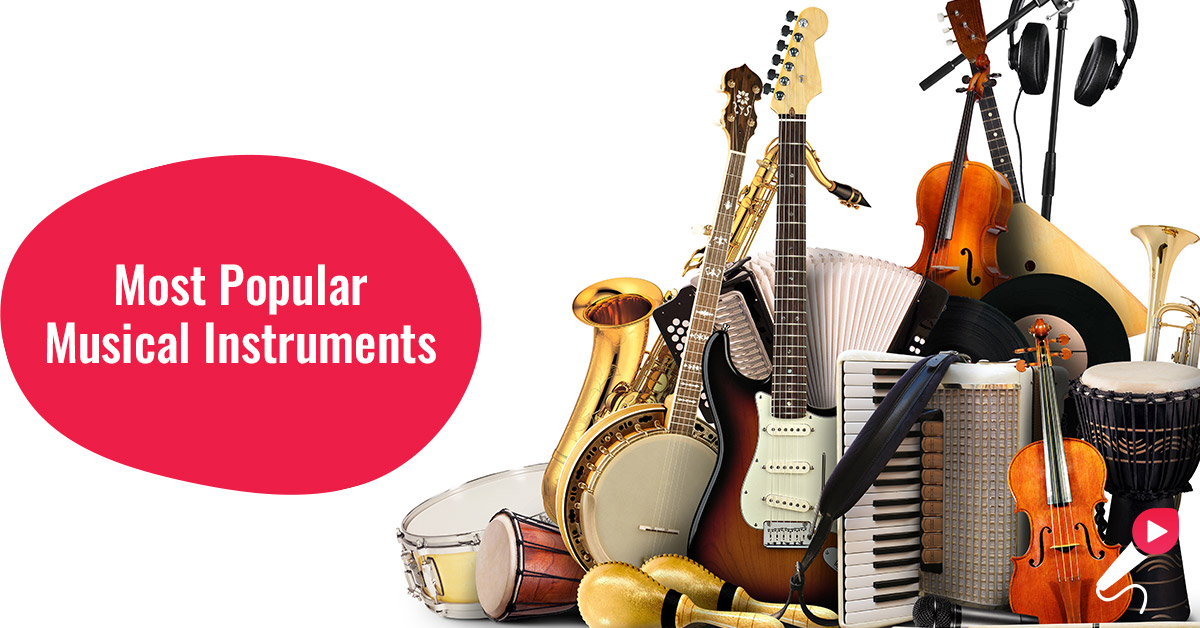
Musical instruments have long been the conduits of human expression, cultures, and histories. Each instrument carries with it a unique personality, a distinct voice that reflects the artistry and soul of its player. As you delve into the realm of sound, you might find your perspective shifting, as we unearth the top 10 most popular musical instruments. These instruments not only form the backbone of various musical genres but also invite their players into a world brimming with creativity and emotional liberation.
1. Piano
The piano, often regarded as the quintessential instrument, boasts a harmonious blend of percussive and melodic qualities. Its 88 keys resonate with a vast array of musical styles, from the intricate arpeggios of classical masterpieces to the soulful chords of jazz. The tactile experience of pressing down a key offers an immediate gratification, fostering both spontaneity and rigorous discipline in aspiring musicians. Whether in the grand concert hall or a cozy living room, the piano creates an atmosphere of profound intimacy.
2. Guitar
The guitar is undeniably the epitome of versatility. Its ability to traverse genres from folk to rock to blues has cemented its position in the pantheon of musical instruments. With the gentle strumming of an acoustic guitar or the electrifying riffs of an electric model, this stringed marvel enables one to tell stories through melodies. The intimate size and portability empower musicians to take their craft anywhere, transforming any moment into a musical experience.
3. Violin
Elegance defines the violin, an instrument revered for its lyrical beauty and expressiveness. From the soaring melodies of Vivaldi to the poignant strains of contemporary compositions, the violin speaks a language all its own. Its dynamic range allows players to evoke a wide spectrum of emotions, making it a favored instrument in orchestras. The intricate techniques required, such as vibrato and pizzicato, challenge musicians to cultivate an exquisite level of skill and artistry.
4. Drums
The heartbeat of any ensemble, drums provide the rhythmic foundation that propels music forward. With a rich history spanning cultures worldwide, percussion instruments encapsulate the essence of primal expression. From the ferocious beats of a rock solo to the subtle nuances of jazz, drummers wield their sticks as extensions of their energy and emotion. The sheer physicality of the instrument invites an exhilarating connection between the drummer and the music itself.
5. Flute
The flute may often be perceived as a delicate instrument, yet beneath its gentle exterior lies a powerful voice. This wind instrument has the ability to produce sonorous melodies that can stir the deepest of emotions. Found in orchestras, chamber ensembles, and folk traditions, the flute’s agility and ethereal quality grant it a remarkable versatility. The interplay of breath and fingerings opens a door into a realm where music transcends language itself, inviting listeners into a meditative state.
6. Saxophone
Residing at the crossroads of tradition and modernity, the saxophone is synonymous with both classical and contemporary music. This single-reed woodwind instrument is celebrated for its rich, expressive timbre, which supports a wide swath of musical styles ranging from jazz to pop. The sheer charisma of this instrument captivates its audience, while its adaptability provides players with the freedom to explore improvisation. With a saxophone, musicians can dig deep into the art of expression, forging personal connections through the medium of sound.
7. Cello
The cello evokes a profound emotional resonance, interweaving richness and complexity into its repertoire. As a foundational member of orchestras and chamber groups, the cello commands attention with its deep, warm tones that can both soothe and ignite passions. Players embark on a journey of discovery as they master varying techniques that unlock the instrument’s full potential. Its versatility allows the cello to traverse genres, blending seamlessly from classical sonatas to modern cinematic scores.
8. Harmonica
Small in size but grand in impact, the harmonica is often overlooked yet remains an iconic staple in American folk and blues music. This mouth organ’s portability ensures that it lives up to the spirit of spontaneity, making it a beloved choice among traveling musicians. With its unique bending techniques, players can elicit a wide range of emotions, creating a landscape of sound that resonates with the essence of the human experience. Each breath becomes a note, inviting an intimate connection between the musician and their audience.
9. Ukulele
The ukulele radiates joy with its cheerful timbre and charming appearance. Originating in Hawaii, this four-stringed instrument simplifies music-making while encapsulating a plethora of genres from traditional Hawaiian tunes to pop hits. Its compact size and ease of play make it accessible to novices, sparking a wave of interest in music around the world. As players strum the joyful chords, they experience an immediate lift in spirit—a testament to the transformative power of music.
10. Bagpipes
A strong candidate for the most culturally distinctive instrument, bagpipes embody centuries of tradition and heritage. With a history dating back to ancient civilizations, their haunting melodies capture the essence of longing and celebration. Frequently associated with Scottish heritage, the bagpipe’s unique sound conjures strong imagery of hills and highlands. Learning to play this complex instrument fosters not only technical proficiency but a deep appreciation for cultural narrative woven into the folds of every note.
In conclusion, exploring the world of musical instruments reveals the rich tapestry of human creativity and connection. Each instrument on this list serves as a conduit for expression, inviting individuals to explore their musical journey. As you consider taking up an instrument or simply listening, you may discover a newfound appreciation for the stories and emotions that resonate within each note. The beauty of music lies in its ability to unite, inspire, and transform, creating an everlasting bond between the performer and the listener.







Leave a Comment