
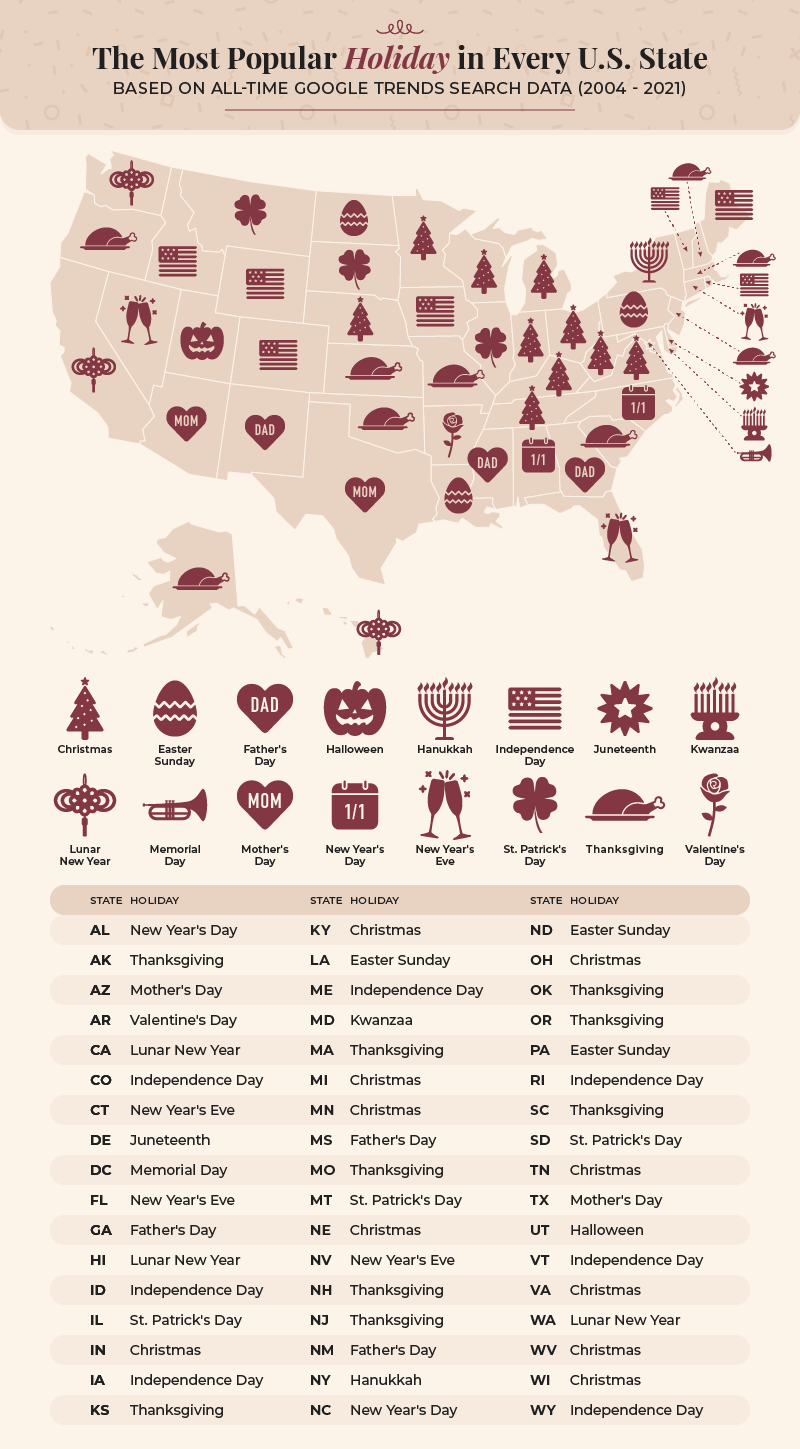
The United States is a vibrant tapestry woven with a multitude of celebrations that reflect its rich cultural diversity and historical significance. From the fireworks illuminating the night sky on Independence Day to the cozy gatherings of Thanksgiving, each holiday evokes unique sentiments and traditions. This article delves into the top ten most popular holidays in America, inviting you to explore the profound meanings and distinctive customs associated with each.
1. New Year’s Day
New Year’s Day, celebrated on January 1st, marks the onset of a fresh year and is steeped in age-old traditions. People often engage in raucous festivities on New Year’s Eve, counting down the seconds until the clock strikes midnight. Resolutions abound; individuals utilize this time to reflect, setting personal and professional goals. From extravagant fireworks displays to intimate gatherings, the diverse ways in which Americans herald the New Year emphasize renewal and optimism.
2. Independence Day
July 4th, Independence Day, holds a special place in the American consciousness. This holiday commemorates the adoption of the Declaration of Independence in 1776, symbolizing the birth of the nation. Families and friends gather for barbecues, parades, and spectacular fireworks shows that light up the summer sky. The vibrant colors of the flag—red, white, and blue—embody the spirit of patriotism and unity, reminding citizens of the sacrifices made for their freedoms.
3. Thanksgiving
Thanksgiving, celebrated on the fourth Thursday of November, transcends mere feasting. It is a poignant time for gratitude, reflection, and familial bonding. Traditionally marked by a lavish feast featuring turkey, stuffing, and cranberry sauce, the holiday encourages people to appreciate what they have while also extending compassion to others. The narratives of the Pilgrims and Native Americans intertwine, offering a rich historical context that evokes a sense of belonging and community.
4. Christmas
Christmas, observed on December 25th, is not merely a religious occasion but rather a cultural phenomenon that resonates with many. The holiday amalgamates various customs, from trimming the Christmas tree to the exchanging of gifts, representing love and generosity. Festive lights adorn homes, filling streets with an enchanting glow. Each family adds their unique flavor to the celebration, whether through traditional meals or beloved songs that echo traditions passed down through generations.
5. Halloween
Halloween, occurring on October 31st, transforms communities into whimsical realms of fantasy. Rooted in ancient Celtic traditions, this holiday celebrates the supernatural with costumes, trick-or-treating, and haunted houses. Children clad in vibrant costumes roam neighborhoods in search of candy, while adults might host parties that evoke both nostalgia and fright. The allure of the eerie invites a collective exploration of fear and fun, reaffirming the importance of community and creativity.
6. Memorial Day
Memorial Day, observed on the last Monday of May, is a solemn occasion for honoring the men and women who have served in the U.S. military. Initially designated as Decoration Day, it encourages remembrance through ceremonies at cemeteries and memorials across the country. Americans often take the opportunity to reflect on sacrifice, pairing solemnity with the unofficial start of summer, characterized by barbecues and family gatherings, blending reverence with celebration.
7. Labor Day
Labor Day, celebrated on the first Monday in September, is a tribute to the American labor movement, commemorating the achievements of workers. It serves as a reminder of the importance of social justice and the rights of the labor force. The day is often marked by outdoor festivities, parades, and gatherings, serving as a final hurrah of the summer season. It encapsulates the essence of leisure—a respite well-deserved after hard work—keeping the spirit of solidarity alive.
8. Valentine’s Day
Valentine’s Day, observed on February 14th, transcends mere romantic gestures, encompassing an entire spectrum of love and affection. It inspires the exchange of heartfelt messages, chocolates, and flowers, reinforcing bonds between partners, friends, and family alike. This holiday invites introspection into the myriad forms of love, encouraging both expression and appreciation, and often showcases elaborate displays of creativity in gift-giving and arrangements.
9. Father’s Day
Father’s Day, celebrated on the third Sunday of June, offers an occasion for honoring paternal figures. It invites individuals to express gratitude for the guidance, support, and love received from fathers, grandfathers, and father figures. Personal tributes might range from heartfelt cards to elaborate family gatherings, each designed to celebrate the irreplaceable role of fathers in shaping lives. The day encapsulates warmth and connection, honoring the profound bond between parent and child.
10. Earth Day
Earth Day, celebrated annually on April 22nd, underscores the importance of environmental stewardship and sustainability. Initially initiated in 1970, it has evolved into a global movement, encouraging individuals to partake in actions that promote ecological awareness. From community clean-ups to educational workshops, Earth Day fosters a collective consciousness toward preserving the planet. It serves as a reminder that every action counts, inspiring a more profound connection to nature and advocacy for the environment.
America’s holidays reflect its diverse heritage, narratives, and values, each steeped in rich traditions and communal experiences. These celebrations offer not only a respite from daily life but also an invitation to engage with the intrinsic stories that shape communal identities. As these events unfold each year, they kindle a collective curiosity—an exploration of cultural roots and a reaffirmation of shared humanity. In embracing the essence of these holidays, individuals and communities cultivate bonds that transcend time and nurture a spirit of unity and joy.





Leave a Comment