
In an age where environmental consciousness is becoming increasingly vital, understanding the culpable actors in the arena of pollution is crucial. Various industries have evolved to meet humanity’s demands but, conversely, have precipitated unprecedented harm to our planet. This dissonance between progress and sustainability propelled us into a reality where certain sectors are mainstays in the degradation of our environment. Herein lies an exploration of the ten most polluting industries, which not only contribute to the crisis of climate change but also challenge our collective morality. Each industry’s influence stretches beyond mere emissions, impacting ecosystems, human health, and future generations.
1. Fossil Fuels
At the forefront of environmental degradation is the fossil fuel industry, encompassing oil, coal, and natural gas. The extraction, refinement, and combustion of these energy sources emit vast quantities of greenhouse gases, saturating our atmosphere with carbon dioxide and methane. Furthermore, the devastation wrought upon landscapes, through mining and drilling, irrevocably alters ecosystems and jeopardizes biodiversity. As the world’s energy consumption continues to rise, this industry stands as a primary antagonist in our fight against climate change.
2. Agriculture
The picturesque image of sprawling fields may evoke a sense of serenity, but the agriculture industry harbors a far less idyllic reality. Intensive farming practices necessitate the extensive use of fertilizers and pesticides, which not only deplete soil health but also lead to nutrient run-off, contaminating waterways and decimating aquatic life. Livestock farming, with its considerable methane emissions and land use, exacerbates deforestation and contributes significantly to global warming. The industry’s relentless pursuit of efficiency, often at the expense of environmental integrity, poses an existential threat to our planet’s future.
3. Fashion and Textiles
Often underestimated in its environmental impact, the fashion industry is a colossal player in pollution. The creation of clothing involves hazardous dyes and chemicals that pollute waterways when improperly managed. Moreover, fast fashion encourages a culture of disposability, leading to the staggering fate of millions of garments ending up in landfills. The sheer volume of water required for cotton production alone, coupled with the carbon footprint associated with global shipping, underscores the grievous consequences of this industry.
4. Construction and Infrastructure
The construction sector embodies the paradox of progress: while it builds the foundations of our lives, it simultaneously devastates the environment. The extraction of raw materials—such as sand, limestone, and timber—leads to habitat destruction and soil erosion. Concrete production alone is a significant source of carbon emissions. This industry’s relentless expansion consumes vast energy resources and generates vast waste, consequently straining landfills and contributing further to environmental deterioration.
5. Mining
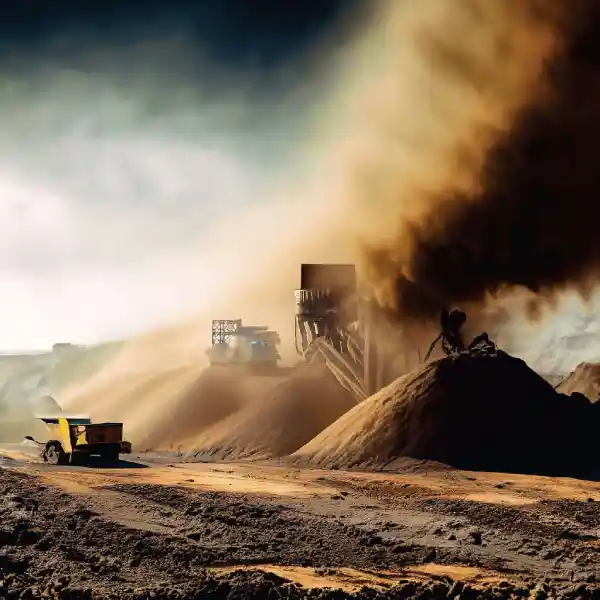
Mining is a veritable double-edged sword, providing essential materials for technological advancement while inflicting catastrophic harm on the environment. The process entails digging deep into the Earth, releasing toxins and disrupting local ecosystems. Acid mine drainage, a byproduct of mining operations, poisons rivers and streams, decimating aquatic life. As demand for rare minerals and metals escalates—especially for renewable energy technologies—the mining sector poses a profound paradox in our pursuit of sustainability.
6. Transportation
The transportation industry is pivotal to global connectivity, yet it is also a prime contributor to air pollution and greenhouse gas emissions. The combustion of fossil fuels in vehicles releases carbon dioxide, nitrogen oxides, and particulate matter, all of which severely compromise air quality and public health. As urbanization accelerates, so too does the proliferation of vehicles. Transitioning to electric vehicles may alleviate some concerns, but the full impact of this industry remains unsustainable without comprehensive reforms.
7. Chemical Manufacturing
The chemical industry thrives on the intricate production of synthetic materials, but its legacy is marred by environmental repercussions. From fertilizers to plastics, the outputs of this sector often result in pollution and persistent waste. The manufacture of chemicals involves hazardous byproducts, which may seep into groundwater and pose dire health risks to populations nearby. As we grapple with the proliferation of plastic pollution, the far-reaching consequences of chemical manufacturing become increasingly apparent.
8. Power Generation
Power generation is an essential cog in modern society, yet it frequently relies on antiquated practices that compromise the environment. Coal-fired power plants are notorious for belching out substantial emissions, thereby playing a significant role in climate change. Although renewable energy sources are on the rise, their integration still faces countless challenges, such as resource allocation and infrastructure inadequacies. The legacy of carbon-intensive energy generation continues to pose significant obstacles in the quest for sustainability.
9. Waste Management
While it may seem paradoxical, the waste management industry can be a significant contributor to pollution. Landfills emit methane, a potent greenhouse gas, while incineration releases toxic chemicals into the atmosphere. Furthermore, the challenge of adequately managing e-waste grows as technology advances. Recycling, when poorly executed, can also lead to environmental hazards. An insightful reevaluation of waste management strategies is critical in mitigating its environmental toll.
10. Tourism
Tourism, often deemed a harmless indulgence, can wreak havoc on fragile ecosystems and local environments. The carbon footprint of travel, particularly through air transport, contributes to global warming, while the overuse of natural resources in popular destinations strains local ecology. The degradation of protected areas and cultural sites exacerbates the issue, raising moral questions about sustainable travel practices. As global mobility increases, the tourism industry faces a pressing need for change.
In conclusion, the gravity of industrial pollution cannot be overstated. Each sector listed here possesses the capability to drive innovation, economic growth, and societal advancement, but the environmental costs often overshadow these benefits. Understanding the intricate web of pollution allows us to question our consumption patterns and demands a requisite shift in perspective. As stewards of this planet, it is incumbent upon us to advocate for sustainable practices across all sectors, igniting a transformative discourse that prioritizes the health of our environment for generations to come.







Leave a Comment