
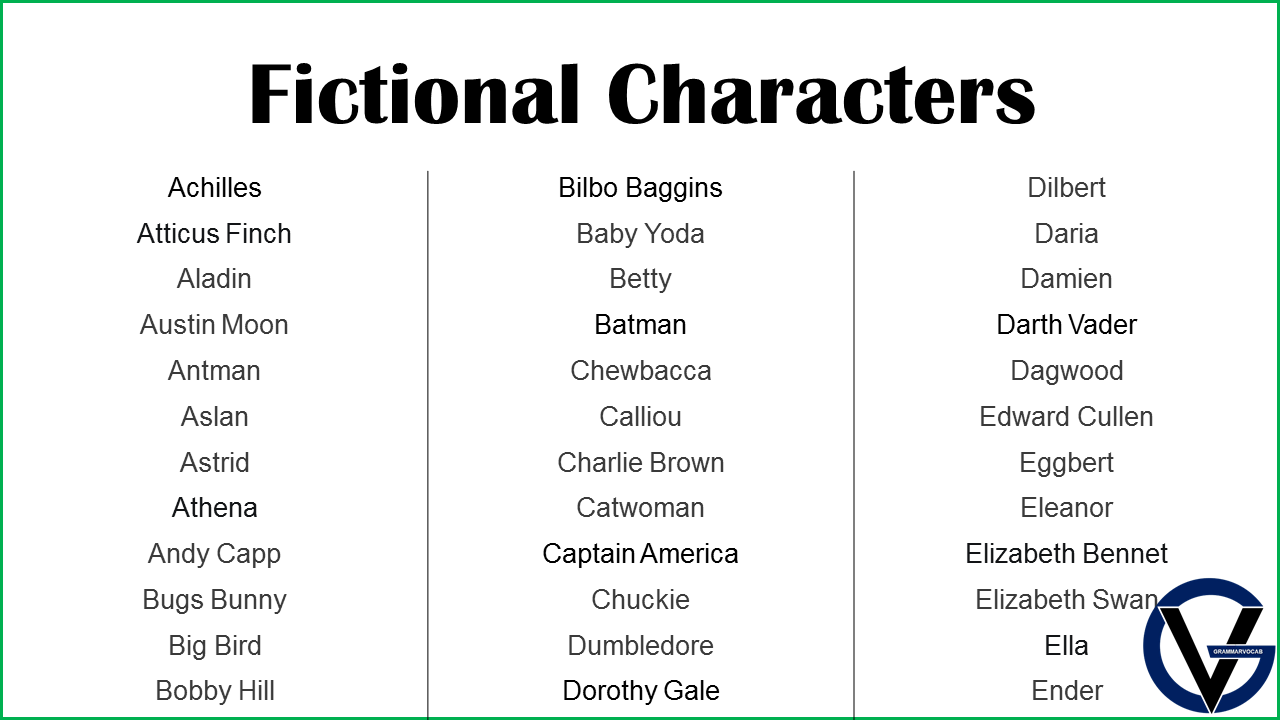
In the labyrinthine corridors of literature, certain characters break free from the pages and ensnare the very essence of our imaginations. These fictional beings are not merely figments of creativity; they are timeless embodiments of human experience, woven into the fabric of our collective consciousness. Herein lies a curated exploration of ten such characters—each a beacon of narrative brilliance, inviting readers on exhilarating odysseys through realms of complexity and wonder.
1. Sherlock Holmes
Sherlock Holmes, the quintessential detective created by Arthur Conan Doyle, serves as the blueprint for intellectual sleuths. Clad in a deerstalker hat and armed with a magnifying glass, Holmes is a cerebral virtuoso, skillfully unraveling the most intricate of mysteries. His sharp wit and keen observational prowess mirror the keen edge of a finely honed blade, slicing through the veil of deception that cloaks the truth. Holmes tempts readers to dwell within the labyrinth of logic, nudging them to sharpen their own deductive faculties as they navigate the shadows of Victorian London.
2. Elizabeth Bennet
From the pages of Jane Austen’s “Pride and Prejudice,” Elizabeth Bennet emerges as a paragon of wit and fortitude. With her keen intellect and audacious spirit, she traverses a society riddled with pretense and constraints. Elizabeth’s journey embodies the tumultuous path toward self-discovery and societal acceptance—a veritable dance of personhood amidst the rigid choreography of the Regency era. Her refusal to conform to societal expectations is akin to a wildflower stubbornly blooming in the cracks of a cobblestone street, symbolizing resilience and individuality.
3. Jay Gatsby
In F. Scott Fitzgerald’s “The Great Gatsby,” Jay Gatsby is more than just a wealthy socialite; he epitomizes the elusive American Dream. His opulent parties and extravagant lifestyle serve as a hologram of aspiration—a flickering light that ultimately betrays a heart laden with unfulfilled desires. Gatsby’s tragic pursuit of love and validation underscores the folly of chasing dreams that shimmer just beyond reach. He is an idealist adrift in a sea of materialism, a poignant reminder that even the brightest flames can flicker and fade.
4. Huckleberry Finn
Mark Twain’s Huckleberry Finn becomes a voice of youthful defiance amidst the oppressive mores of the antebellum South. Finn’s journey down the Mississippi River is a tale of liberation—a quest that transcends social constructs and moral quandaries. He navigates the tumultuous waters of friendship, loyalty, and societal divergence, embodying a moral compass untethered from conventions. Huck’s adventurous spirit is akin to that of a restless wind, forever spiraling against the stifling currents of hypocrisy and injustice.
5. Atticus Finch
Atticus Finch, a towering figure in Harper Lee’s “To Kill a Mockingbird,” represents the moral backbone of a fractured society. An attorney possessing unwavering integrity, Atticus stands as a bulwark against prejudice, advocating for justice in a time steeped in inequity. His serene demeanor is a beacon of hope, shining through the murky waters of racism and injustice. Atticus embodies the struggle between right and wrong, reminding us that moral courage is often the most formidable weapon in an unjust world.
6. Harry Potter
The boy who lived, Harry Potter, catapulted into icon status through J.K. Rowling’s enchanting series, captivates not only the young but also the hearts of the weary. This seemingly ordinary child grapples with the extraordinary weight of destiny, navigating a world fraught with magic, friendship, and peril. Harry’s journey from a neglected existence under the stairs to a brave hero transcends the mundane, suggesting that even the most unassuming among us can embrace greatness. His story is a tapestry woven with threads of courage and resilience, illustrating how adversity often leads to profound self-discovery.
7. Katniss Everdeen
In Suzanne Collins’ “The Hunger Games,” Katniss Everdeen is a formidable warrior and a symbol of rebellion. Initially a reluctant participant in a brutal competition, she evolves into a revolutionary leader, galvanizing a nation towards change. With her bowstring taut and her resolve unwavering, Katniss embodies the spirit of survival and sacrifice. Her journey reveals the intoxicating allure of power and the consequences of choice, rendering her a modern archetype of heroism and resilience.
8. Dorian Gray
Oscar Wilde’s Dorian Gray embodies the perilous nature of vanity and hedonism. The allure of eternal youth and beauty, encapsulated in his pact with the supernatural, serves as a cautionary tale about the superficiality of societal expectations. As Dorian’s portrait bears the scars of his moral decay, he epitomizes the battle between external allure and internal corruption—a stark reminder that beauty can often mask a lurking darkness.
9. Holden Caulfield
Holden Caulfield, the disenchanted protagonist of J.D. Salinger’s “The Catcher in the Rye,” resonant with modern angst, becomes a voice for the disillusioned youth. His contempt for the “phoniness” around him starkly illuminates the conflicts between innocence and experience. Holden’s journey through a post-war landscape of alienation reveals the profound loneliness that often accompanies adulthood, making him a hauntingly relatable figure navigating the complexities of growing up.
10. Frodo Baggins
In J.R.R. Tolkien’s epic saga, Frodo Baggins personifies the steadfast heart of an unlikely hero. Tasked with carrying the ominous One Ring, Frodo’s quest embodies the struggle between good and evil. His journey through Middle-earth serves as an allegory of perseverance and sacrifice, showcasing that even the most unassuming individuals can alter the course of destiny. Frodo’s resilience resonates across ages, encouraging us to confront our own inner demons.
These ten fictional characters, rich in complexity and diverse in their narratives, invite readers into a realm where imagination and reality intertwine. They awaken in us a sense of wonder, urging us to embark on our own journeys of introspection. The world of fiction affords us the unique opportunity to explore the myriad facets of human experience, where every character offers a reflection of ourselves, a touchstone for our own quests through the intricate maze of life. In celebrating these literary icons, we reaffirm the enduring power of storytelling to inspire, challenge, and connect us all.







Leave a Comment