
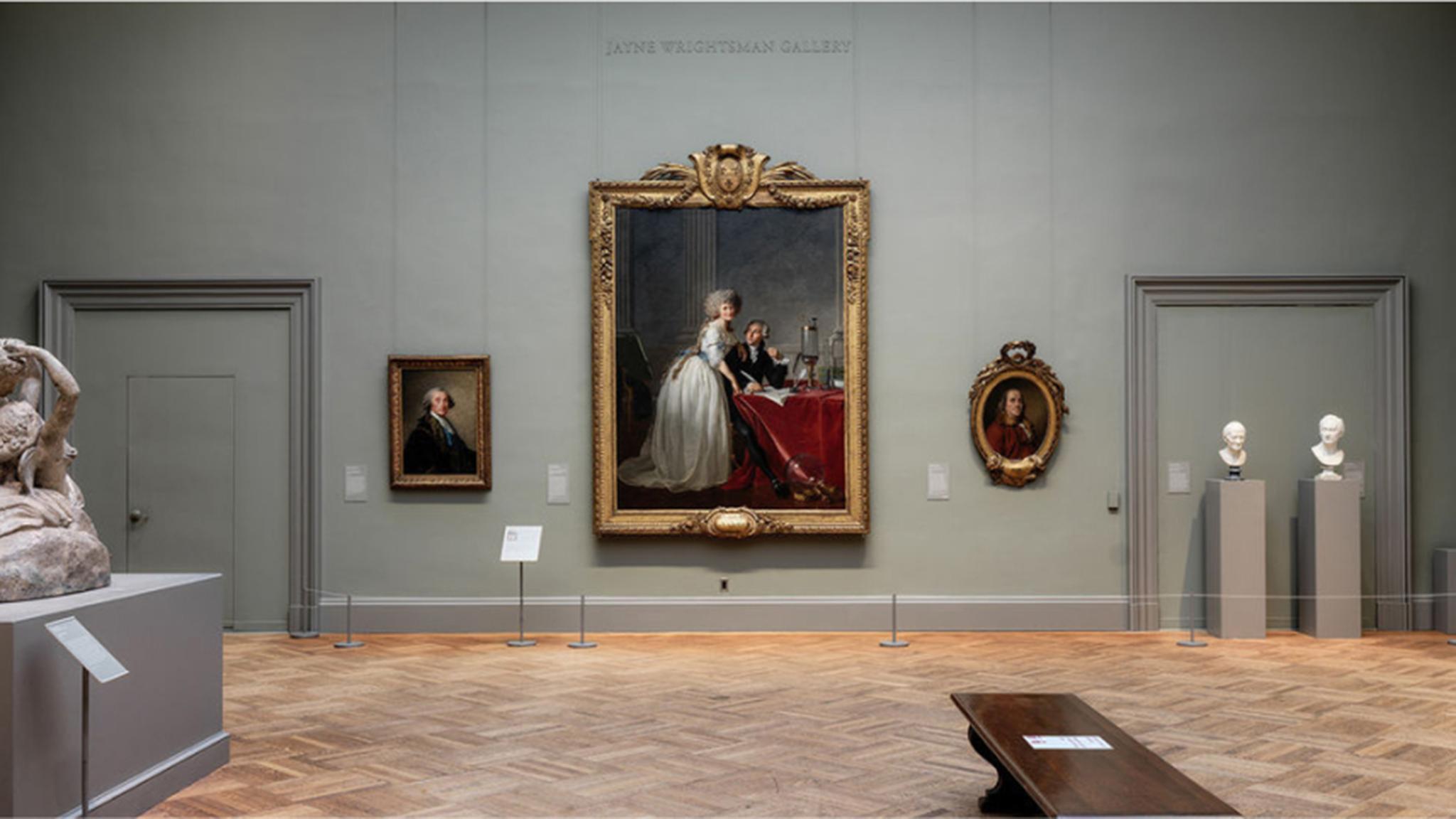
The Metropolitan Museum of Art, known affectionately as The Met, is not just a haven for art enthusiasts but a veritable treasury of human creativity and history. Home to over two million works of art, the museum showcases the diverse tapestry of artistic expressions that span centuries and cultures. The remarkable depth and breadth of The Met’s collection invite contemplation, and among its unparalleled assemblage lie top masterpieces that have garnered global recognition. Herein is an exploration of the top 10 most famous art pieces at The Met, each embodying a tale far more profound than its mere visual allure.
1. The Death of Socrates by Jacques-Louis David
This neoclassical masterpiece encapsulates the tragic fate of the philosopher Socrates, who chose to die rather than renounce his beliefs. Painted in 1787, the dramatic lighting and intense expressions underscore the poignancy of his final moments. David’s choice of colors and meticulous attention to detail offer insight into the moral and ethical dilemmas that continue to resonate. This painting captivates viewers, as it serves not just as a representation of art, but as an exploration of virtue, knowledge, and sacrifice.
2. Washington Crossing the Delaware by Emanuel Leutze
Undoubtedly one of the most iconic American paintings, “Washington Crossing the Delaware” portrays General George Washington’s daring maneuver during the Revolutionary War. The stirring imagery and dramatic composition stir a sense of patriotism and courage. Beyond its historical significance, this work illustrates themes of leadership and determination. It invites contemplation of what it means to stand resolute against adversity, resonating deeply with concepts of national identity.
3. Venus by Alexandre Cabanel
This 19th-century depiction of the Roman goddess Venus is a celebration of beauty and femininity. The soft brushstrokes and sensuous forms convey an ethereal quality that compels viewers to ponder the nature of attraction and desire. Cabanel’s Venus personifies not merely the aesthetics of beauty, but also the cultural ideals of womanhood during the period, reflecting societal values and the ongoing dialogue between art and cultural perceptions of femininity.
4. The Musicians by Caravaggio
Caravaggio’s “The Musicians” is a striking interplay of light and shadow, artfully combining realism with the baroque sensibility. This painting traverses the boundary between art and life, pulling the viewer into an intimate moment among friends. The musicians’ expressions convey a sense of camaraderie and joie de vivre, evoking deeper reflections on the power of music as both a form of communication and a vessel for shared human experiences.
5. The Night Watch by Rembrandt van Rijn
This grandeur piece exemplifies the baroque period’s fascination with dynamic composition. “The Night Watch,” painted in 1642, is not just a portrayal of a militia company but a celebration of community and civic duty. The way Rembrandt captures movement and emotion transforms the viewer’s experience, urging them to reflect on the intricate relationships that bind individuals within a collective. The painting’s enduring popularity stems from its ability to evoke discussion about identity and purpose.
6. American Gothic by Grant Wood
Arguably one of the most parodied artworks in American culture, “American Gothic” transcends its fame as mere entertainment. This 1930 painting of a stern farmer and his daughter stands as a symbol of rural American life. Yet beyond its surface simplicity lies a rich commentary on resilience during the Great Depression. The expressions etched on their faces prompt viewers to explore deeper issues of tradition, morality, and the nuances of American identity.
7. Self-Portrait with a Straw Hat by Élisabeth Louise Vigée Le Brun
In this dazzling self-portrait, Vigée Le Brun, a prominent 18th-century female artist, masterfully asserts her identity in a male-dominated art world. The canvas radiates confidence and charisma, inviting discussions about gender and artistry. Her meticulous brushwork emphasizes the strength of individuality and the ongoing struggle for recognition as an artist. This piece encourages us to examine our own perceptions of gender roles within the context of creativity.
8. The Great Wave off Kanagawa by Katsushika Hokusai
This iconic woodblock print, featuring a colossal wave towering over Mount Fuji, is a quintessential representation of Japanese ukiyo-e art. The Great Wave captivates viewers with its dynamic movement and striking colors, while invoking reflections on nature’s power and man’s vulnerability. Hokusai’s work is more than aesthetic; it speaks to the philosophical relationship between humanity and the natural world, making it a timeless piece that resonates on multiple levels.
9. The Adoration of the Magi by Sandro Botticelli
Botticelli’s depiction of the Holy Family and the Magi is a sublime fusion of religious reverence and artistic elegance. The composition is a visual narrative of worship and celebration, reflecting the deep cultural roots of faith. The meticulous detail in the garments and the expressions of reverence compel viewers to delve into the historical and spiritual dimensions of the event, thereby enhancing its relevance in contemporary discourse.
10. The Artist’s Garden at Giverny by Claude Monet
Monet’s vibrant portrayal of his garden in Giverny serves as a testament to the beauty of nature and the enduring intricacies of perception. The explosion of colors and composition invites onlookers to experience the fleeting effects of light and atmosphere that characterize Impressionist art. It encourages reflection on the pursuit of beauty in everyday life and the interaction of the artist with the environment, transcending simple aesthetics to evoke a deeper emotional response.
In conclusion, the top famous artworks at The Met do more than beautify the museum’s vast halls; they serve as reflections of broader narratives embedded within history, culture, and personal expression. Each piece invites viewers to engage with its layers of meaning, provoking thought and evoking emotion. The Met stands as a testament to the power of art to transcend time and speak to the human experience, ensuring that these masterpieces will continue to resonate for generations to come.







Leave a Comment