
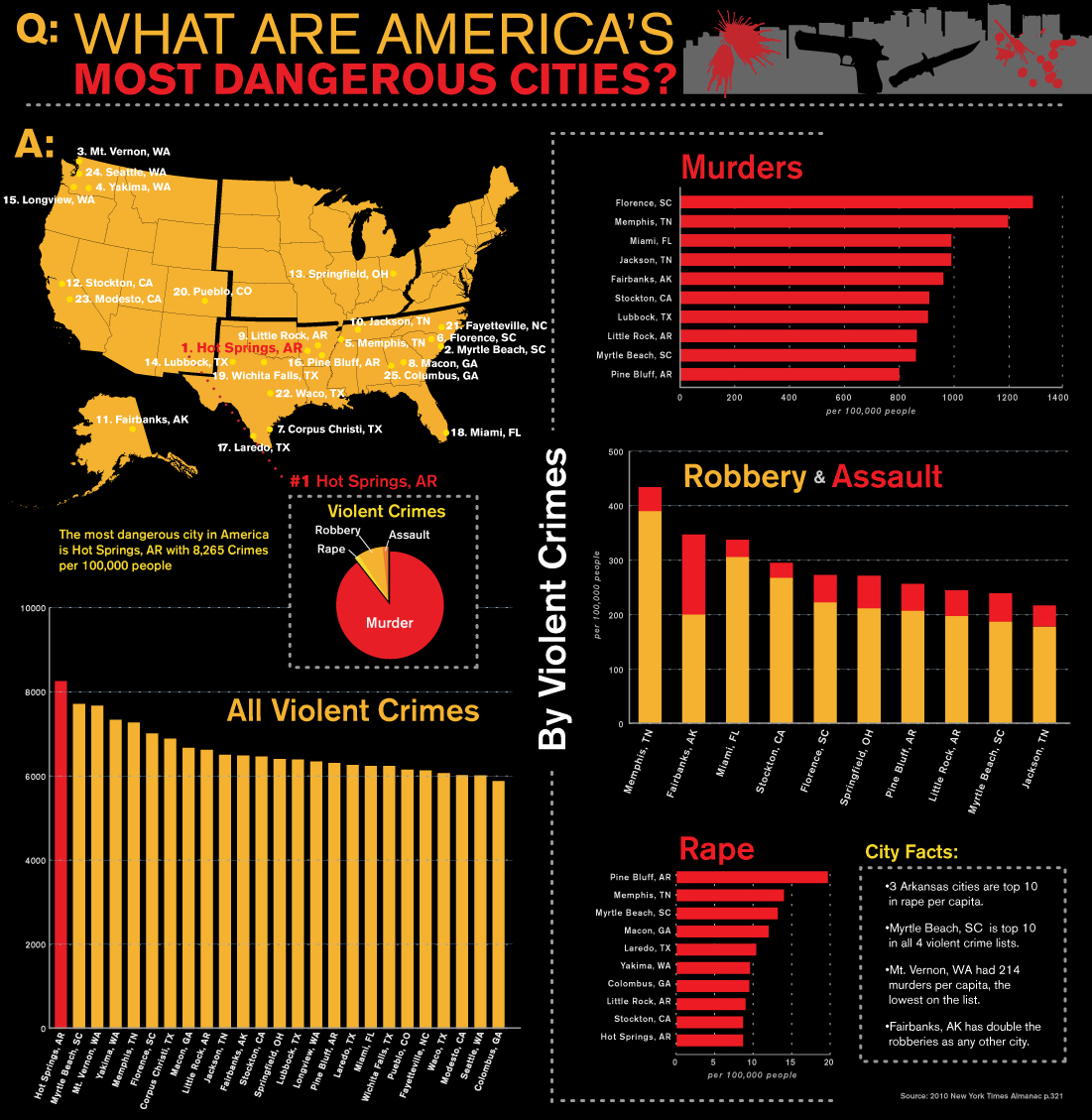
The perception of safety varies widely across the United States, influenced by an amalgamation of factors including crime rates, health hazards, and environmental concerns. In an ever-evolving landscape shaped by socio-economic dynamics, urban and rural disparities, and legislative changes, some states consistently emerge as more perilous than others. Compiling a list of the top ten most dangerous states offers a sobering glimpse into these complexities. Let’s delve into this provocative topic, examining both quantitative metrics and qualitative elements to provide a comprehensive understanding of danger across the nation.
10. New Mexico
Positioned in the southwest, New Mexico grapples with high crime rates, particularly in violent offenses. The state has experienced significant challenges with drug-related incidents and gang activities, which contribute to its notoriety. Cities like Albuquerque have notably higher crime rates compared to national averages, making public safety a perennial concern. Environmental factors, such as limited access to healthcare in some rural areas, exacerbate these risks, posing tangible threats to residents’ well-being.
9. Louisiana
Louisiana is notorious for its violent crime statistics, often ranking at the top for homicide rates. Delving deeper, it becomes apparent that socio-economic factors play a pivotal role. Urban centers, particularly New Orleans, face systemic issues that perpetuate cycles of poverty and crime. Moreover, natural disasters such as hurricanes further threaten safety, prompting evacuation and emergency preparedness challenges. The interplay of human vulnerability and environmental factors creates a particularly dangerous situation for residents.
8. Arkansas
This southern state presents a paradox of lush landscapes and underlying threats. It has garnered attention due to significant crime rates, particularly in property crimes and aggravated assaults. Additionally, aspects such as inadequate healthcare access and high poverty rates illuminate the multifaceted nature of danger here. Rural communities often lack critical amenities, leaving residents susceptible to both natural and man-made threats, from severe weather to health crises.
7. Tennessee
Tennessee is noted for its vibrant culture, yet it contends with alarming crime statistics, particularly in urban areas like Memphis. The state struggles with high rates of violent crime, domestic abuse incidents, and substance abuse issues that erode community safety. Furthermore, the opioid epidemic has exacerbated these challenges, leading to increased rates of death and despair. As law enforcement and community organizations strive for solutions, the state’s crime landscape remains precarious.
6. Alabama
Within Alabama, the combination of economic distress and crime presents formidable challenges. The state reports some of the highest violent crime rates in the nation. The struggles of areas grappling with industrial decline contribute to this grim statistic. Rural poverty compounds the dangers residents face, with limited economic opportunities feeding into a cycle of violence and desperation. In addition, educational disparities further foster a sense of hopelessness among the youth, perpetuating the state’s dangerous reputation.
5. Missouri
Missouri finds itself on this list, largely due to urban crime hotspots such as St. Louis and Kansas City, notoriously plagued by violent crime. A combination of socio-economic instability, compounded with racial inequalities, has led to higher incidences of crime both against individuals and property. Additionally, the state grapples with public health challenges, where access to quality healthcare is often limited, exacerbating existing vulnerabilities within marginalized communities.
4. Michigan
Michigan offers a stark contrast between picturesque landscapes and an undercurrent of danger, particularly in urban locales like Detroit. While many areas are revitalizing, entrenched socioeconomic challenges continue to fuel high crime rates, particularly violent offenses and property crimes. Additionally, environmental factors, such as aging infrastructure and issues surrounding water quality in certain regions, augment overall risks to public health and safety.
3. Nevada
Despite its glitzy facade characterized by Las Vegas, Nevada harbors a darker underbelly impacted by crime and substance abuse. The state wrestles with particularly high rates of property crimes and challenges related to organized crime. Moreover, the transient population exacerbates issues of homelessness and addiction, making safety a persistent concern across various communities. The stark duality of its glittering nightlife juxtaposed with stark social issues highlights the multifaceted dangers faced by residents.
2. South Carolina
With its rich history and charming scenery, South Carolina faces serious public safety challenges, particularly regarding violent crime. Urban areas such as Charleston and Columbia report alarming incidents of murder and assault, compounded by drug-related offenses. Socioeconomic disparities further fuel these issues, with struggling communities experiencing cycles of crime and violence. As debates around policy reform continue, many residents are left grappling with inconsistent safety.
1. Alaska
To some, Alaska might appear serene with its majestic landscapes, yet it holds the unfortunate distinction of being the most dangerous state in the U.S. The combination of high rates of violent crime, particularly against women, along with harsh and isolating geography, creates a uniquely perilous environment. Challenges include limited access to law enforcement and healthcare, especially in remote villages, which only compounds the dangers faced by its inhabitants. The vast distance between communities often complicates emergency responses, placing residents at additional risk.
In summation, the ranking of the most dangerous states reveals a complex tapestry woven from economic, social, and environmental threads. Each state presents unique challenges, and understanding these dangers requires not just looking at crime rates, but also considering the historical and social context that influences them. By fostering open discussions about safety, communities can work together to address the root causes of danger, ultimately creating a safer environment for all.







Leave a Comment