
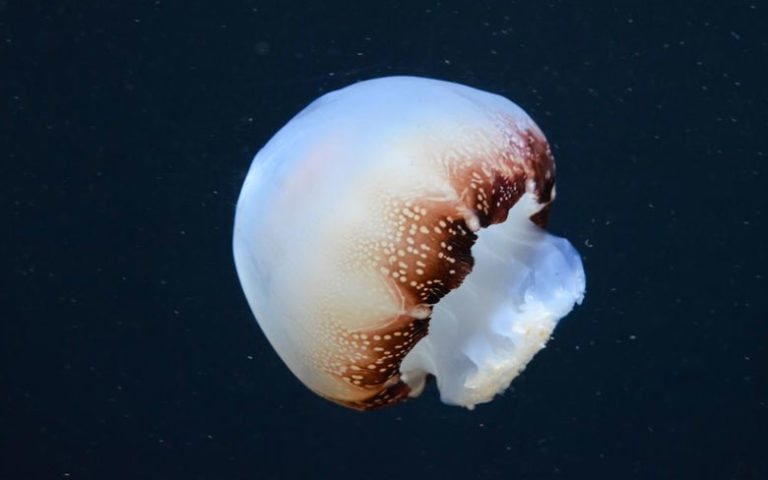
Have you ever wondered what lurks beneath the waves of our oceans? While the beauty and serenity of the sea are undeniable, some of its inhabitants are far from innocent. Among them are jellyfish, creatures that can inspire awe and fright alike. With their ethereal movements and translucent bodies, they capture our fascination, but certain species of jellyfish are also among the most dangerous animals on the planet. Dive into the depths of the marine world with us as we explore the top ten most dangerous jellyfish ever discovered, unveiling their formidable arsenal of venom and the chilling tales that accompany them.
1. **Box Jellyfish (Chironex fleckeri)**
Native to the coastal waters of Australia and the Indo-Pacific region, the box jellyfish reigns supreme as one of the most venomous creatures known to humankind. With tentacles that can reach up to ten feet long, its venom is a cocktail of toxins capable of inducing cardiotoxicity, neurotoxicity, and cytotoxicity. The sting from this nemesis feels like a severe burn — a harbinger of excruciating pain. Victims often experience heart failure and may succumb to shock within minutes if not treated swiftly. Swimming in box jellyfish-infested waters requires not only caution but also acute awareness of their jelly-like, four-cornered bell shape.
2. **Irukandji Jellyfish (Carukia barnesi)**
A deceptive little creature, the Irukandji jellyfish is incredibly small, measuring just 1-2 centimeters in size. Yet, its impact is tremendous. Found in the warm waters of northern Australia, its venom is responsible for Irukandji syndrome, a condition that can lead to severe pain, hypertension, and, in rare cases, death. What makes this jellyfish particularly insidious is that its sting often goes unnoticed at first, allowing the venom to enter the bloodstream. This delayed reaction can catch even seasoned swimmers off guard, presenting an unexpected thrill that’s quite perilous.
3. **Lion’s Mane Jellyfish (Cyanea capillata)**
The lion’s mane jellyfish is not just menacing in appearance; it is also endowed with an intense sting. With its bell diameter reaching up to eight feet, and its trailing tentacles extending over 100 feet, it is one of the largest jellyfish species. Found primarily in colder waters, including the Arctic and North Atlantic, its venom can cause severe pain and irritation, leading to difficulty breathing and heart complications. Encounters with this majestic creature can invoke a mix of admiration and trepidation among ocean-goers, reminding them of the untamed power of nature.
4. **Portuguese Man o’ War (Physalia physalis)**
Often mistaken for a jellyfish, the Portuguese man o’ war is actually a colonial organism made up of four specialized polyps. Its long, venomous tentacles can reach up to 30 feet and deliver a paralyzing sting. Found primarily in warmer ocean waters, this vibrant creature can wreak havoc on unsuspecting beachgoers. The sting is typically intensely painful but rarely fatal; however, the venom can trigger an allergic reaction in sensitive individuals, leading to hospitalization. The dazzling colors of this organism can be remarkably deceiving, alluring swimmers unwittingly close to danger.
5. **Fire Jellyfish (Chrysaora quinquecirrha)**
The fire jellyfish, or sea nettle, exudes a wild beauty alongside a stinging reputation. Its tentacles, adorned with stinging cells called nematocysts, are capable of inflicting severe pain. Predominantly found in the Atlantic waters, particularly near the eastern United States, this jellyfish’s sting produces an intense burning sensation, hence its name. While not typically fatal, its sting can lead to severe reactions, making it vital to remain vigilant in areas where they throng.
6. **Moon Jellyfish (Aurelia aurita)**
The moon jellyfish, with its ethereal appearance and pulsating movements, has a presence that is oddly inviting. However, its sting should not be overlooked. While the venom of the moon jellyfish is not as potent as that of its counterparts, it can still cause discomfort, leading to rashes and itching. This species is prolific in coastal waters worldwide, often creating blooms that can blanket large areas. One might admire their beauty but must remain mindful of their stinging capabilities.
7. **Bluebottle Jellyfish (Physalia utriculus)**
Similar to the Portuguese man o’ war, the bluebottle jellyfish has a floating bladder topped with a tentacled body. This vibrant creature is prevalent in Australian waters and can cause painful stings, leading to swelling and inflammation. An encounter with this jellyfish often results in a burning sensation and an uncomfortable reminder of the ocean’s hidden perils. Those tempted to dip their toes into the water must recognize the potential threat of this marine visitor.
8. **Mauve Stinger (Pelagia noctiluca)**
Known for its striking mauve hue, the mauve stinger is most prevalent in Mediterranean waters. This jellyfish can produce painful stings that lead to dermatitis, irritations, and severe allergic reactions. Its tentacles can stretch nearly twelve inches long and, like its fellow jellyfish, delivers venom that disrupts cellular function. Encountering this creature can lead to a deliciously avoidable ordeal, as its presence tends to spike during warm summer months.
9. **Ghost Jellyfish (Aequorea victoria)**
The ghost jellyfish is not as deadly as its counterparts, but that doesn’t mean it should be ignored. Displaying luminescence, it can shine brightly in the dark waters of the Pacific and Atlantic oceans. Its stings can be irritating, causing discomfort rather than danger, though they are still notable among encounters with jellyfish. Known for its beauty, it serves as a reminder that even the seemingly innocuous can harbor dangers beneath the surface.
10. **Sea Wasp (Chironex fleckeri)**
The term “sea wasp” may evoke images of swarming insects, but this jellyfish is far more sinister. The sea wasp, a relative of the box jellyfish, has a potent venom responsible for a staggering number of fatalities each year. Its transparent form and elusive presence can render it nearly invisible, making it all the more dangerous for beachgoers. A sting from this jellyfish can destroy red blood cells and lead to cardiovascular collapse in mere minutes. Maintaining awareness of its habitat is key to safe ocean exploration.
As we return to the surface after our deep dive into the fascinating yet foreboding world of jellyfish, one cannot help but marvel at the complexity of these creatures. They serve as reminders of nature’s beauty and wrath, calling for respect as we venture into their realms. Whether you’re a beach lover or an ocean adventurer, knowledge can be your greatest ally when confronted with the deep’s most dangerous denizens. Are you prepared to navigate the winding paths of the sea, ever watchful of its enchanting, yet perilous inhabitants? The ocean beckons, but it is wise to tread lightly.









Leave a Comment