
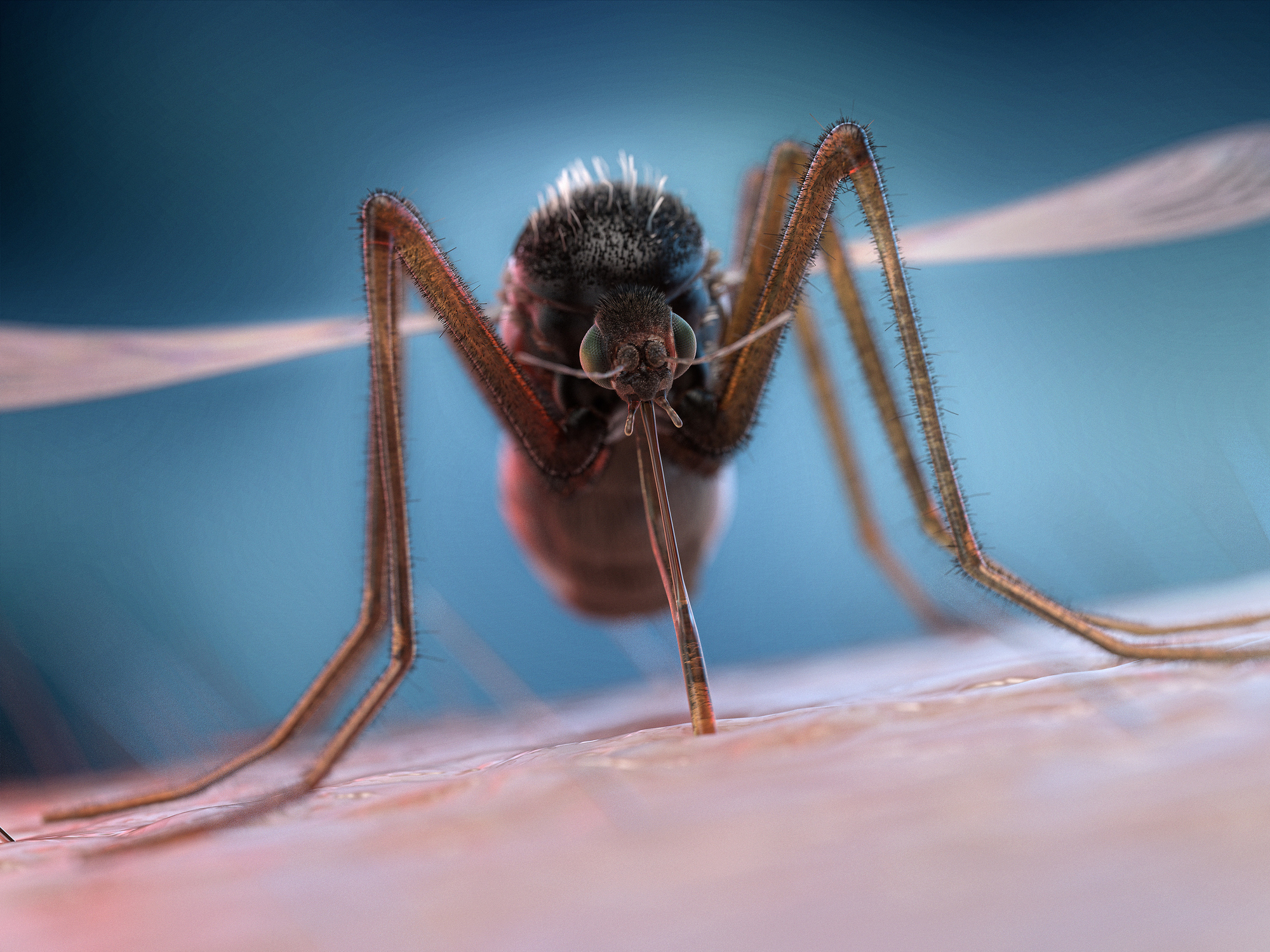
The intricate tapestry of life on Earth boasts a staggering diversity of species, among which insects reign supreme. While many consider them mere nuisances, several insects wield lethal power, often lurking unnoticed in their environments. Their capacity for danger extends beyond their size, invoking a curious mixture of trepidation and fascination. As we delve into the world of the most dangerous insects, it’s crucial to comprehend not only their perilous potential but also the broader ecological narratives that underscore their existence.
1. Mosquitoes
Despite their diminutive stature, mosquitoes earn the dubious distinction of the deadliest insects on Earth. These blood-sucking pests are vectors for a plethora of diseases, including malaria, dengue fever, Zika virus, and yellow fever. Each year, they are responsible for millions of fatalities, particularly in tropical regions. Mosquitoes thrive in warm climates, breeding in stagnant water, and their ability to adapt to various environments only exacerbates their threat. Beyond their disease transmission, the psychological toll of their incessant buzzing and the itch of their bites evoke a primal fear of being at nature’s mercy.
2. Tsetse Fly
The Tsetse fly, prevalent in sub-Saharan Africa, is a formidable adversary. Capable of transmitting the fatal sleeping sickness (trypanosomiasis), this fly preys upon livestock, leading to significant agricultural losses. The male Tsetse fly, with its notoriously painful bite, is not merely an annoyance; it serves as a sentinel of human health, as infections can result in neurological damage or death if left untreated. Observers are often captivated by its unique behavioral patterns, which involve an intricate courtship ritual and fascinating adaptations to avoid predators.
3. Fire Ant
Originating from South America, fire ants have made their presence known in the southern United States and beyond. These aggressive social insects are infamous for their painful bites, which deliver a venomous sting reminiscent of fire—hence their name. Fire ants construct elaborate mounds and exhibit a remarkable ability to cooperate during foraging and nest defense. The allure of their complex societal structures often obscures the immediate threat they pose, particularly to those with allergies, as their venom can trigger anaphylactic shock.
4. Africanized Honey Bees
Often dubbed “killer bees,” Africanized honey bees combine aggression and advanced swarm tactics, making them a notorious threat in regions they invade. Unlike their more docile European counterparts, these bees will fiercely defend their hive, pursuing intruders over long distances. Their venom is not inherently more potent, yet the sheer number of stings can be deadly, especially for allergic individuals. The unfortunate irony lies in their origins; bred for increased productivity, their aggressive traits highlight the unpredictable consequences of human intervention in nature.
5. Bullet Ant
Considered the epitome of painful stings, the bullet ant is a species that locals in the Amazon rainforest both revere and fear. Native tribes utilize this giant ant for initiation rites due to the extreme pain inflicted by its sting, which is often compared to being shot (hence the name). The discomfort activates a cascade of sensations that can last for hours, capturing the attention of researchers and thrill-seekers alike. This remarkable insect embodies the paradox of beauty and danger, illustrating how nature’s handiwork can evoke sheer awe while reminding us of our vulnerability.
6. Assassin Bug
With a name derived from its predatory habits, the assassin bug is a stealthy hunter that ambushes its prey, delivering a venomous bite to subdue them. Some species, such as the kissing bug, serve a darker purpose as vectors for Chagas disease, a potentially life-threatening infection. Its lethal capabilities are matched only by its fascinating morphology, with elongated mouthparts designed more for stabbing than sucking. Fascination with assassin bugs stems from their chilling efficiency in the food web, embodying a lethal elegance that belies their unassuming appearance.
7. Fleas
Fleas, often underestimated, can wreak havoc beyond mere annoyance. Their ability to transmit diseases like the bubonic plague marks them as historically significant harbingers of death. While modern medicine has rendered their threats less rampant, these pests continue to be vectors for various pathogens. Their astounding leaping abilities and resilience make them disturbingly successful parasites. This duality of being both a nuisance and a disease carrier continues to magnetize human attention, inviting a deeper examination of our cohabitation with such diminutive creatures.
8. Schmidt Pain Index
The Schmidt Pain Index ranks the severity of insect stings, with many insects’ stings gaining notoriety for varying degrees of agony. While not a specific insect, this index highlights the complexity of danger associated with their stings, engendering both fear and curiosity. This conceptual tool serves as a lens through which entomologists and enthusiasts alike assess the perils of various species, translating the experience of pain into a scientific discourse appreciated by both casual observers and serious researchers.
9. Yellow Fever Mosquito
The yellow fever mosquito, Aedes aegypti, is another notorious member of the mosquito family, infamous for transmitting yellow fever and other debilitating illnesses. This insect has adapted to urban environments, establishing a strong foothold in cities worldwide. Its capacity to breed in artificial containers—like discarded tires and flower pots—amplifies its threat. The yellow fever mosquito serves as a testament to the intersection of human activity and natural adaptation, reminding us of the consequences of our environmental footprint.
10. Wasps
Finally, wasps, including the infamous paper wasp and hornet, embody a dual nature of danger and awe. They are integral to ecosystems as pollinators and pest controllers but can also be highly aggressive when provoked. Stings from certain species can induce severe allergic reactions, leading to an annual toll of fatalities. The complex social structures and collaborative behavior of wasps pique interest and fear, illustrating the intricate balance of cohabitation between species and the unpredictability of their defenses.
Insects, albeit small and often overlooked, significantly shape the narratives of life and death among Earth’s inhabitants. Each of these dangerous insects carries stories of adaptation, survival, and complex interconnections in ecosystems, revealing the cruel beauty of the natural world. In contemplating these creatures, we find ourselves wrestling with fascination and fear, acknowledging the vital yet perilous dance of life that defines our existence alongside these remarkable yet menacing beings.







Leave a Comment