
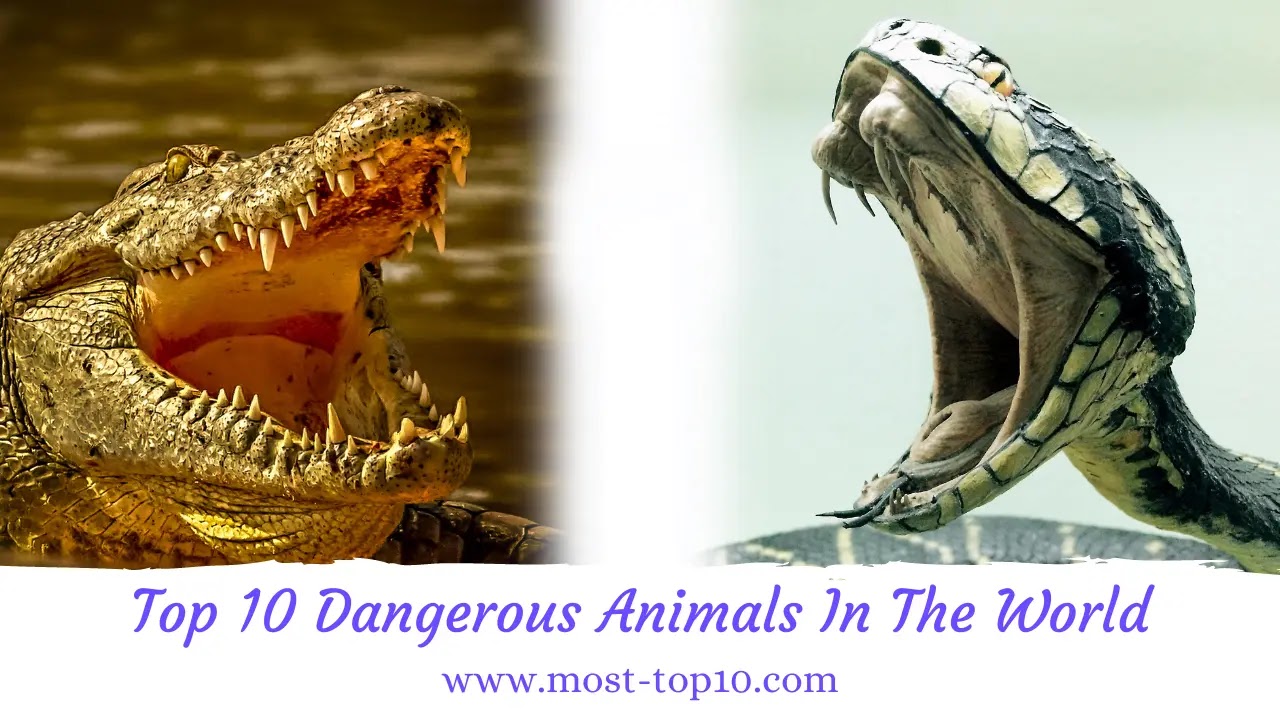
Across the diverse tapestry of our planet’s ecosystems, the allure of the wild often encompasses an aura of danger. This dichotomy—where beauty meets peril—fuels humanity’s fascination with the animal kingdom. The concept of danger, especially when associated with certain animals, elicits a blend of respect, awe, and intrigue. From venomous creatures lurking in the shadows to formidable predators ruling the plains, some animals have earned their reputation as the most dangerous on Earth. Here, we delve into the ten most dangerous animals, examining their behaviors, environments, and the reasons behind our fascination.
1. Mosquitoes
When one imagines danger, the small mosquito may not immediately come to mind. Yet, these minuscule insects are responsible for more human fatalities than any other creature on the planet. Mosquitoes are vectors for several life-threatening diseases, including malaria, dengue fever, and Zika virus. Tropical and subtropical climates provide ideal breeding grounds for these pests. Their ability to proliferate in stagnant water allows them to wreak havoc on human populations, contributing to significant mortality rates and public health crises worldwide. This paradox speaks to the unseen threats lurking in our environment, rendering something so small as a formidable nemesis.
2. Box Jellyfish
A translucent marvel drifts through the warm waters of the ocean, the box jellyfish possesses one of the most potent venoms known to science. Its tentacles are lined with thousands of nematocysts that deliver excruciating pain and, in some cases, death to unwary swimmers. Found primarily in the waters of the Indo-Pacific region, this gelatinous creature exemplifies the ocean’s treachery. The fascination lies in its beauty, coupled with a lethal defense mechanism that evokes intrigue and fear. Swimming in waters frequented by these creatures can turn a serene holiday into a life-threatening ordeal.
3. Saltwater Crocodile
The saltwater crocodile, the largest living reptile, reigns as the apex predator in both freshwater and saltwater environments. With powerful jaws capable of crushing bones and a lightning-fast ambush capability, these formidable predators instill fear in their habitats. They exhibit territorial behavior and are known for their aggression, particularly during mating seasons. Their stealth, camouflaged by murky waters, allows them to stalk prey without detection. The saltwater crocodile encapsulates a primal essence of danger; the very thought of encountering one in its domain ignites trepidation.
4. African Elephants
Elephants, often perceived as gentle giants, possess an unexpected volatility. African elephants can display aggressive behavior, particularly when they feel threatened or when a mother is protecting her calf. Although they are mainly herbivorous and socialize in close-knit herds, their sheer size and strength make them capable of causing significant harm. Encounters with humans have led to tragic conflicts, resulting in fatalities. The complexity of their social structures and intelligence adds depth to their behavior, making them a dual symbol of majesty and inherent risk.
5. Poison Dart Frog
In stark contrast to their vibrant colors, the poison dart frog embodies the stark reality of survival in the wild. Indigenous tribes have historically used their potent skin toxins to coat blowgun darts, rendering them lethal to their prey. These diminutive frogs inhabit the rainforests of Central and South America, where their striking hues serve as both a warning and an attraction. Their intricate relationship with their ecosystem, coupled with their toxic defenses, creates a fascinating paradox that captivates biologists and enthusiasts alike. The toxicity serves as a reminder of nature’s duality—beauty intertwined with danger.
6. Brazilian Wandering Spider
Often regarded as the most venomous spider, the Brazilian wandering spider aptly earns its moniker. Known for its aggressive nature and potent neurotoxic venom, it roams extensively in search of prey, often encountering humans. The spider’s bite can lead to acute pain, respiratory issues, and even death if untreated. Its tendency to wander into human habitats draws intrigue, as people find themselves facing a creature that encapsulates both fear and curiosity. The societal trope of the “creepy crawly” merges with the urgent need for caution, creating a palpable tension in encounters with this arachnid.
7. Lions
As renowned apex predators, lions command respect and reverence in the animal kingdom. They are majestic, social creatures that hunt in prides, demonstrating teamwork and strategy. Yet, their majesty belies a terrifying potential for danger. Encounters with humans, especially in areas where their habitats overlap with human settlements, can lead to conflicts resulting in serious injuries or fatalities. Lions symbolize both the beauty of the wild and the peril it contains. The visual imagery of these beasts, silhouetted against the savannah sunset, serves as a reminder of nature’s untamed essence.
8. Great White Shark
The great white shark embodies the fearsome reputation of the ocean’s apex predator. Known for its size and power, it commands a significant presence in marine ecosystems. This species is responsible for a considerable number of unprovoked shark attacks on humans, often due to mistaken identity. Its streamlined body, powerful jaws, and sophisticated hunting skills evoke fascination and dread. The juxtaposition of the ocean’s beauty and its lurking dangers allows for an engrossing exploration of humanity’s relationship with the marine world. The great white serves as both a cautionary tale and a subject of endless fascination.
9. Hippopotamus
Despite their seemingly docile appearance, hippopotamuses are among the most dangerous animals in Africa. Known for their aggressive behavior, they are extremely territorial, especially in water. With powerful jaws capable of crushing bone, hippos can be surprisingly swift and agile on land, challenging our assumptions about their lethargic appearance. Their interactions with humans often yield tragic results, underscoring their volatile nature. The hippo symbolizes the dichotomy of perception versus reality, as it elegantly glides through rivers while possessing a latent ferocity that demands respect.
10. Cone Snail
Deceptively beautiful, the cone snail’s intricate shell conceals a lethal venom that has the capacity to swiftly kill a human. These marine creatures utilize a harpoon-like tooth to deliver toxins that can cause paralysis and respiratory failure. Found in tropical waters, their captivating form often lures unsuspecting admirers. The cone snail stands as a poignant reminder of nature’s artistry coupled with its capacity for danger. Their allure lies in their elegance, which evokes both wonder and apprehension as one contemplates the hidden threats of the ocean.
As we traverse the delicate balance of nature, the profound respect engendered by these dangerous animals highlights our ongoing fascination with the natural world. The combination of beauty and peril serves to remind us of our place within the intricate web of life on Earth. Each creature, with its unique adaptations and captivating behaviors, challenges our perceptions and beckons us to explore the mysteries of our ecosystem with both reverence and caution.







Leave a Comment