
Phobias are curious psychological phenomena that have intrigued humanity for centuries. While fear serves as a vital evolutionary tool for survival, phobias transform that instinct into something paralyzing, often disconnected from reason. Exploring the most common phobias sheds light on the intricacies of human psychology. This examination not only unravels the fears themselves but also hints at deeper societal and personal implications behind these pervasive apprehensions.
Here are the top 10 most common phobias that afflict numerous individuals, along with insights into their origins and the reasons for their pervasive existence.
1. Arachnophobia – Fear of Spiders
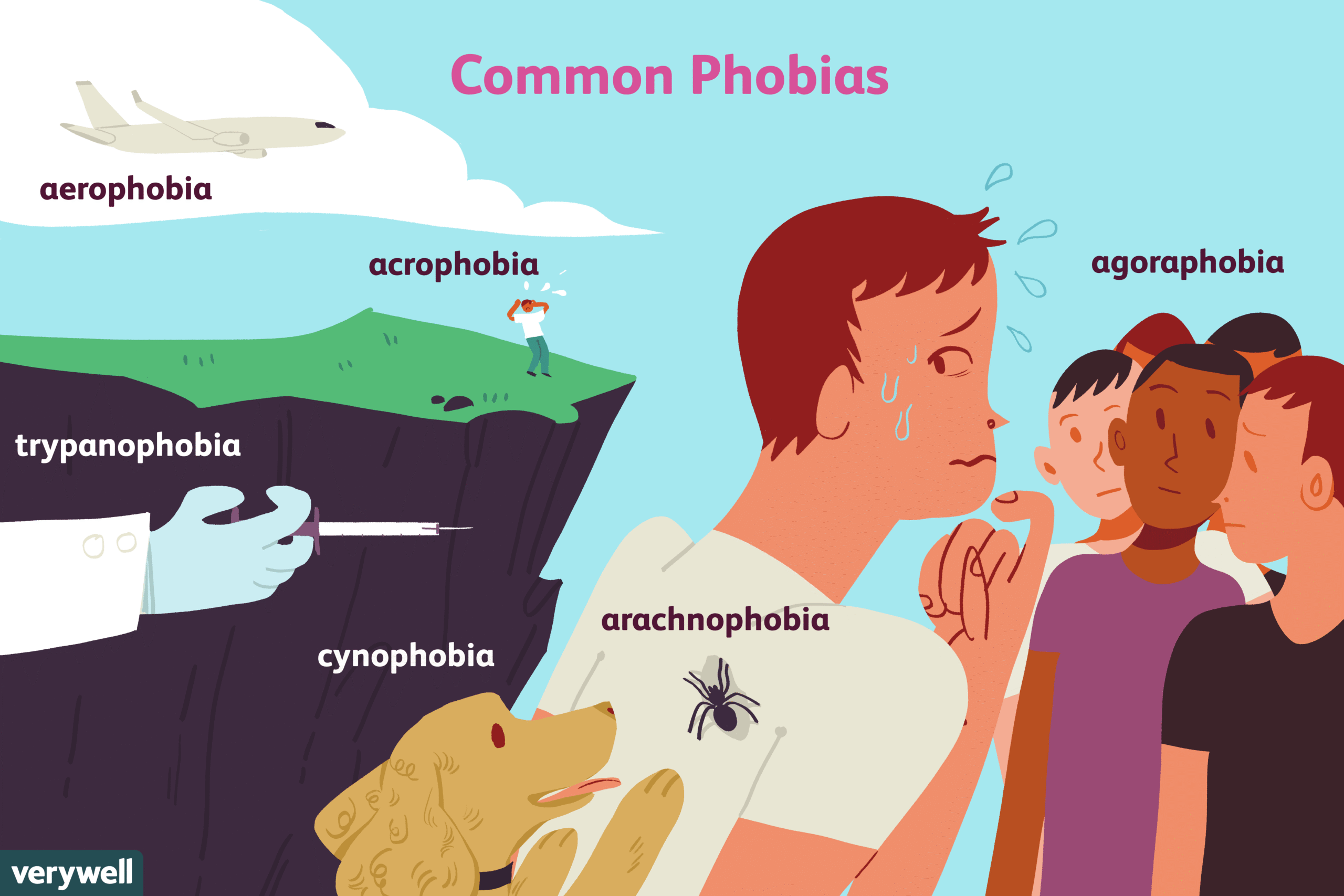
Arachnophobia remains one of the most prevalent phobias globally. Often attributed to evolutionary history, humans may instinctively fear spiders, associating them with danger or venom. This primal fear can be magnified through cultural representations in media, reinforcing the terror associated with these eight-legged creatures. The mere thought of a spider can elicit a visceral reaction, showcasing an innate aversion to the unknown.
2. Ophidiophobia – Fear of Snakes
Much like arachnophobia, ophidiophobia is deeply intertwined with evolutionary advantages. The fear of snakes, often perceived as venomous or unpredictable, has historically kept early humans alert and cautious. Contemporary society continues to reflect this fear, as snakes are frequently portrayed as symbols of betrayal or evil in various narratives. Those affected may experience an overwhelming sense of dread at the mere sight of a snake, testament to how deeply ingrained this phobia is.
3. Acrophobia – Fear of Heights
Acrophobia, the fear of heights, presents an interesting dichotomy between the thrill of adventure and the paralysis of fear. For many, standing at the edge of a precipice can trigger a cascade of panic, heightening their heart rate and inducing vertigo. This phobia often emerges from a visceral understanding of vulnerability and the potential for fall-related injuries. Its prevalence points to a broader human instinct to maintain control over one’s environment.
4. Agoraphobia – Fear of Open Spaces
This complex phobia often embodies more than just a fear of open spaces; it encapsulates a fear of being unable to escape or finding oneself in a situation where help is distant. Agoraphobia often interfaces with anxiety disorders, leading individuals to avoid places or situations that might trigger feelings of panic, effectively constricting their world. It highlights a societal tendency to equate freedom with safety, ultimately revealing how personal fears can alter one’s lifestyle dramatically.
5. Claustrophobia – Fear of Enclosed Spaces
Conversely, claustrophobia manifests as an intense fear of confined spaces, a phobia that can evolve from past traumatic experiences or a feeling of being trapped without a means of escape. People may panic in elevators, crowded rooms, or even on airplanes. This fear often speaks to a deeper psychological need for autonomy and control, showcasing how external situations can provoke internal turmoil.
6. Nyctophobia – Fear of Darkness
Nyctophobia is an intriguing phobia that extends beyond mere discomfort in the dark. Rooted in childhood memories, it often represents the fear of the unknown. Darkness can symbolize uncertainty and ambiguity, evoking anxiety about what lurks unseen. Societally, this fear can also reflect broader fears of isolation and abandonment, emphasizing humanity’s innate need to seek comfort in familiarity.
7. Social Phobia (Social Anxiety Disorder) – Fear of Social Situations
Social phobia is characterized by an overwhelming fear of social interactions, where individuals dread being judged or humiliated in public. This phobia often stems from experiences of embarrassment, rejection, or a profound fear of negative evaluation by peers. In an increasingly interconnected world, the pressure to conform and perform socially can exacerbate these fears, leading to retreat and solitude rather than engagement and connection.
8. Trypanophobia – Fear of Needles
Trypanophobia reflects the anxiety surrounding medical procedures, particularly the sight of needles or injections. Many who suffer from this phobia may have endured painful medical experiences or adverse reactions in childhood, instilling a deep-seated aversion. With societies effectively reliant on medical interventions, this fear can lead to life-altering repercussions, resulting in avoided treatments or necessary vaccinations.
9. Musophobia – Fear of Mice
Musophobia encompasses an intense aversion to mice and, occasionally, other small rodents. Rooted in cultural narratives that cast mice as dirty or disease-ridden, this phobia often stems from both learned behaviors and innate discomfort with creatures that scurry unexpectedly. The emotional response triggered by these small animals can reveal broader societal fears of contamination and disease.
10. Cynophobia – Fear of Dogs
Cynophobia, despite dogs being known as “man’s best friend,” involves an irrational fear of these loyal companions. Often linked to past traumas or negative experiences with dogs, this phobia illustrates a disconnect between perceived safety and actual experiences. It emphasizes how one’s personal history can shape their perception of commonly accepted societal norms.
In conclusion, the exploration of common phobias reveals more than just irrational fears; it also uncovers the intricate tapestry of human experiences shaped by evolutionary history, societal contexts, and personal narratives. These phobias serve not only as individual struggles but also as reflections of collective anxieties, illustrating the profound ways in which fear can shape our lives. Understanding these elements may pave the way for insights into human behavior and help mitigate the impacts of these pervasive fears, fostering a greater sense of empathy and connection among individuals facing such challenges.






Leave a Comment