
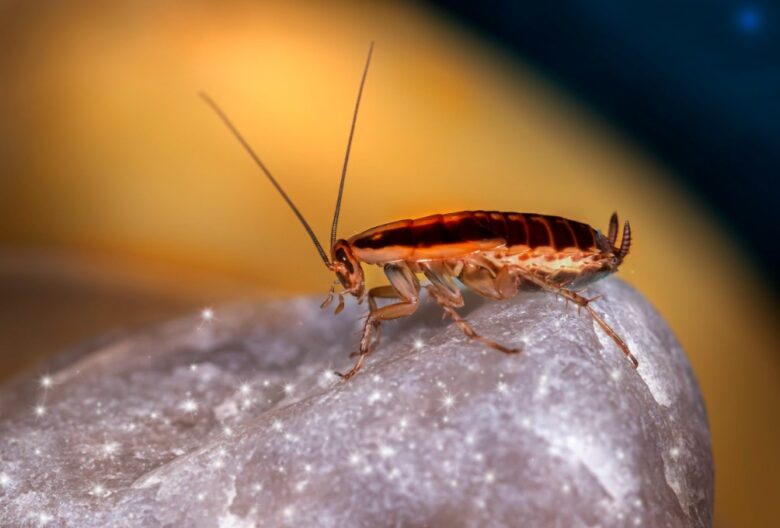
Our homes, often regarded as sanctuaries, can sometimes become unwelcome host territories for a plethora of pests. These intruders can not only disrupt our peace but may also pose health risks and structural damage. Understanding the most common pests that might invade your living space is the first step toward proactive management and prevention. Herein lies a detailed exploration of the top ten most prevalent pests found in homes, alongside insights into their behaviors, characteristics, and effective control methods.
1. Ants
Ants are social insects that thrive in colonies. They are notorious for invading homes in search of food, particularly sugary substances. The most common species, such as the odorous house ant and the carpenter ant, can enter through minuscule cracks and crevices. Their ability to navigate and communicate through pheromones makes them formidable foragers. Effective control involves sealing entry points, maintaining cleanliness, and using bait stations that contain insecticide to eliminate the colony.
2. Cockroaches
Cockroaches are often associated with unkempt environments, yet they can infiltrate even the most immaculate homes. Species like the German cockroach and the American cockroach predominantly seek damp and dark areas. Their sheer resilience is alarming, as they can withstand extreme conditions. An array of control methods exists, including baits, traps, and professional extermination services. Maintaining hygiene and reducing moisture are crucial preventive measures.
3. Termites
Termites are not merely pests; they are a structural nightmare awaiting an opportunity to feed on wood. Known as “silent destroyers,” they can compromise a home’s integrity, often going undetected until significant damage is incurred. The subterranean and drywood varieties are particularly notorious. Preventive strategies include regular inspections, maintaining ventilation in attics and crawl spaces, and using treated wood for construction. If a colony is detected, swift action is essential, often requiring professional intervention.
4. Bed Bugs
Bed bugs are tenacious nocturnal parasites that feast on human blood, often going unnoticed until their bites manifest. Their flat, oval bodies allow them to hide in seams of mattresses, furniture, and even electrical outlets. Infestations can quickly escalate, making control a daunting task. Effective measures include thorough laundering of bedding and clothes, vacuuming, and utilizing heat treatments. Encasements for mattresses can also serve as a deterrent against these unwelcome guests.
5. Fleas
While commonly associated with pets, fleas can just as easily infiltrate human living spaces. These small, agile insects thrive on the blood of mammals and birds. Flea infestations can derive from outdoor environments or brought in by household pets. The resultant bites can lead to allergic reactions in sensitive individuals. To combat fleas, thorough vacuuming, washing pet bedding, and regular grooming of pets are essential. In severe cases, professional pest control may be necessary.
6. Spiders
Spiders are typically more beneficial than detrimental, controlling pest populations in homes. However, the presence of certain species, such as the black widow or brown recluse, can pose health hazards. They prefer secluded areas such as basements, attics, and corners. To minimize spider populations, regular cleaning and decluttering are key strategies, while sealing entry points can prevent their ingress. In certain situations, natural deterrents like essential oils or commercial sprays can be employed.
7. Rodents
Rodents, including mice and rats, are omnivorous creatures that can cause havoc in homes. They are notorious for nibbling on wires, contaminating food supplies, and spreading diseases. Their agility allows them to infiltrate homes through small openings. Effective control necessitates a combination of exclusion methods, such as sealing holes, trapping, and maintaining cleanliness to reduce attractants. Additionally, employing bait stations can be instrumental in managing larger infestations.
8. Silverfish
Silverfish are elusive, wingless insects known for their distinct, silvery appearance. Preferring dark, humid areas, they are typically found in basements, bathrooms, and kitchens. Their diet consists of carbohydrates found in paper, glue, and textiles, making them a nuisance for those with book collections or old photographs. To deter silverfish, reducing humidity and sealing food sources is paramount. If necessary, insecticides specifically meant for silverfish can also be an option.
9. Wasps
Wasps can be both beneficial, acting as pollinators, and problematic, particularly when they build nests close to human dwellings. The presence of wasps can be alarming, especially during late summer when they become more aggressive. Nests can often be found in eaves, tree branches, or sheltered locations. For control, it’s advisable to employ professional services for removal, as DIY efforts may lead to stings. Preventive measures include sealing trash and removing food sources during outdoor activities.
10. Moths
Moths, particularly the clothes moth and pantry moth, can become a nuisance in homes. The larvae are responsible for damage, consuming fabrics and stored foodstuffs, respectively. Adult moths are often spotted fluttering near light sources. Effective control involves stringent cleaning practices, such as vacuuming carpets and washing textiles. Proper storage of food items in airtight containers also aids in preventing infestations.
In conclusion, the threat of pests infiltrating our homes is ever-present, necessitating vigilance and education on how to identify and manage them. By familiarizing ourselves with the characteristics and behaviors of these common intruders, we can take proactive measures that not only protect our living environments but also promote a healthier lifestyle. Regular maintenance and preventive strategies are paramount in keeping these unwelcome guests at bay, ensuring that our homes remain the sanctuaries they are meant to be.







Leave a Comment