
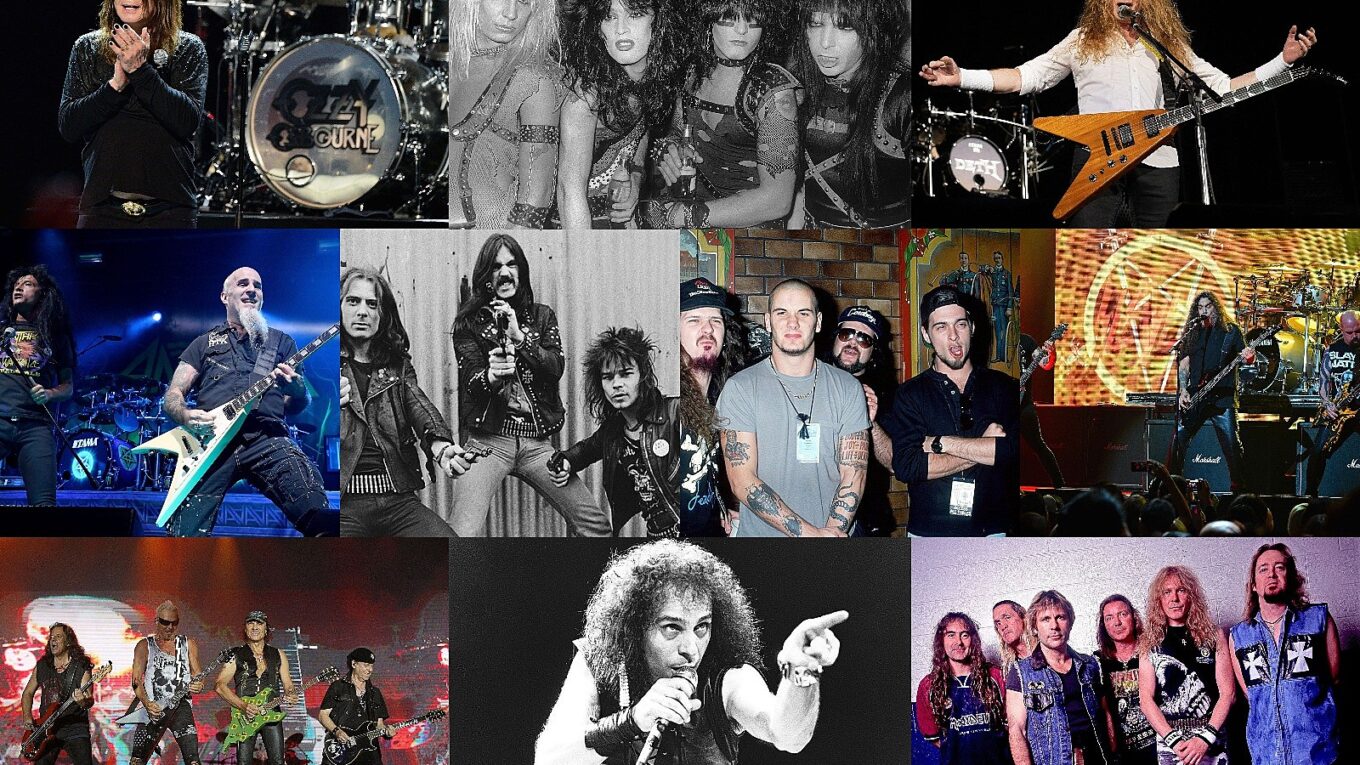
Metal music, with its electrifying riffs and visceral intensity, has given rise to some of the most astonishing guitarists in the realm of music. Each player not only possesses technical proficiency but also contributes a unique ethos that transcends mere performance. While tastes and opinions may vary, here lies a meticulously curated list of the top ten metal guitarists of all time, illuminating their distinctive styles and indelible impacts on the genre.
1. Eddie Van Halen
Those who dare explore the world of metal guitar cannot overlook the indomitable Eddie Van Halen. Renowned for his innovative two-handed tapping technique, Van Halen not only revolutionized the way guitarists approached crafting solos, but he also instilled a sense of exuberance into rock and metal. His work on tracks like “Eruption” and “Ain’t Talkin’ ‘Bout Love” showcased a breathtaking blend of speed, precision, and melodious flair. Van Halen’s legacy persists, inspiring generations of musicians eager to push their sonic boundaries.
2. Tony Iommi
Often hailed as the architect of heavy metal, Tony Iommi’s contributions to the genre are monumental. As the founding member of Black Sabbath, his iconic down-tuned riffs and ominous atmospheric tones laid the foundation upon which metal was built. Songs like “Iron Man” and “Black Sabbath” exemplify his heavy, sludgy style, which has influenced countless sub-genres, from doom to thrash. Iommi’s resilience in the face of personal adversity, particularly his finger injury that led to his unique playing style, adds an inspiring narrative to his already illustrious career.
3. Randy Rhoads
Randy Rhoads’ tenure with Ozzy Osbourne dramatically altered the landscape of heavy metal guitar. His dual mastery of classical techniques and hard rock aesthetics is most vividly exhibited in tracks such as “Crazy Train” and “Mr. Crowley.” Rhoads’ intricate harmonies and neoclassical influences made profound impacts, illuminating a path for future guitarists to incorporate diverse musical elements in metal. Tragically, his life was cut short, but his enchanting melodies and inventive solos remain eternally vibrant in the annals of music history.
4. Dimebag Darrell
The late Dimebag Darrell’s flamboyant yet technical style has become synonymous with the groove metal genre, particularly through his work with Pantera. Fusing blistering speed with a raw, gritty sound characterized by his unique use of harmonics, Darrell propelled tracks like “Walk” to iconic status. His inimitable tone—achieved by custom gear and a relentless passion for sound—continues to impact emerging guitarists. Darrell’s personality shone brightly, fostering a deep connection with fans and fellow musicians alike, adding layers to his legend.
5. Yngwie Malmsteen
A virtuoso in every sense, Yngwie Malmsteen epitomizes speed and dexterity, wrapping technical prowess in a cloak of classical influence. His neoclassical metal compositions invigorate the listening experience, leaving fans in awe. The fluidity found in tracks like “Far Beyond the Sun” showcases an exceptional command over the instrument, amalgamating intricate fingerings and sweeping arpeggios with melodic sensibility. Malmsteen’s unabashed flair for theatrics, paired with his astounding technical capacity, marks him as a venerated figure of progressive metal.
6. Slash (Saul Hudson)
Known for his serpentine curls and emblazoned top hat, Slash’s raw energy and emotive playing style made him an emblem of rock and metal in the late 20th century. His iconic riffs, seen in classics like “Sweet Child o’ Mine” and “Welcome to the Jungle,” resonated with audiences globally. Slash’s ability to evoke profound emotion through his phrasing and tone has established him not merely as a guitarist but as a storyteller. His collaborations across genres further highlight his versatility and commitment to the craft.
7. Jeff Loomis
Jeff Loomis stands as a paragon of modern technical metal guitar. His work with Nevermore and as a solo artist has demonstrated a rare aptitude for blending intricate speed with crushing heaviness. Loomis’s use of odd time signatures and polyrhythms creates a complexity that challenges and enchants listeners. His ability to weave melody amid blazing technicality is showcased in tracks such as “The River Dragon Has Come,” pushing the boundaries of what metal guitar can achieve.
8. Kirk Hammett
As the lead guitarist of Metallica, Kirk Hammett has penned some of the most recognizable riffs in modern metal history. His iconic solos, particularly in tracks like “Enter Sandman” and “Master of Puppets,” demonstrate a melodic sensibility paired with strident technical execution. Hammett’s ability to craft memorable, emotion-laden solos—often infused with middle Eastern scales—has earned him a well-deserved place in the pantheon of metal guitar. His creative process, always evolving, continues to influence budding guitarists globally.
9. Zakk Wylde
With a robust style full of grit and soul, Zakk Wylde has established himself as a titan in both the metal and hard rock arenas. Renowned for his work with Ozzy Osbourne and Black Label Society, his heavy use of pinch harmonics and zealous vibrato create a signature sound that is unmistakable. Tracks like “Crazy Train” (live performances) and “Stillborn” capture his prowess and passion for the instrument. Wylde’s relentless work ethic and dedication towards honing his craft invite admiration from fans and fellow musicians alike.
10. Marty Friedman
Marty Friedman transcends traditional metal guitar boundaries with his eclectic influences ranging from classical to Eastern music. His time with Megadeth is marked by groundbreaking compositions, showcasing his ability to combine incendiary speed with lyrical melodicism. Pieces like “Tornado of Souls” reveal a profound depth of emotion and complexity, setting him apart as one of the most innovative guitarists in metal history. Friedman’s embrace of diverse cultural genres has made his musical palette remarkably unique, captivating audiences around the globe.
In reflection, the realm of metal guitar is paved with brilliance, innovation, and individual artistry. Each of these guitarists has carved their own niche, shaping the genre while inspiring countless others. As metal continues to evolve, the legacies of these ten extraordinary musicians will remain pivotal in defining the essence and future of guitar artistry.







Leave a Comment