
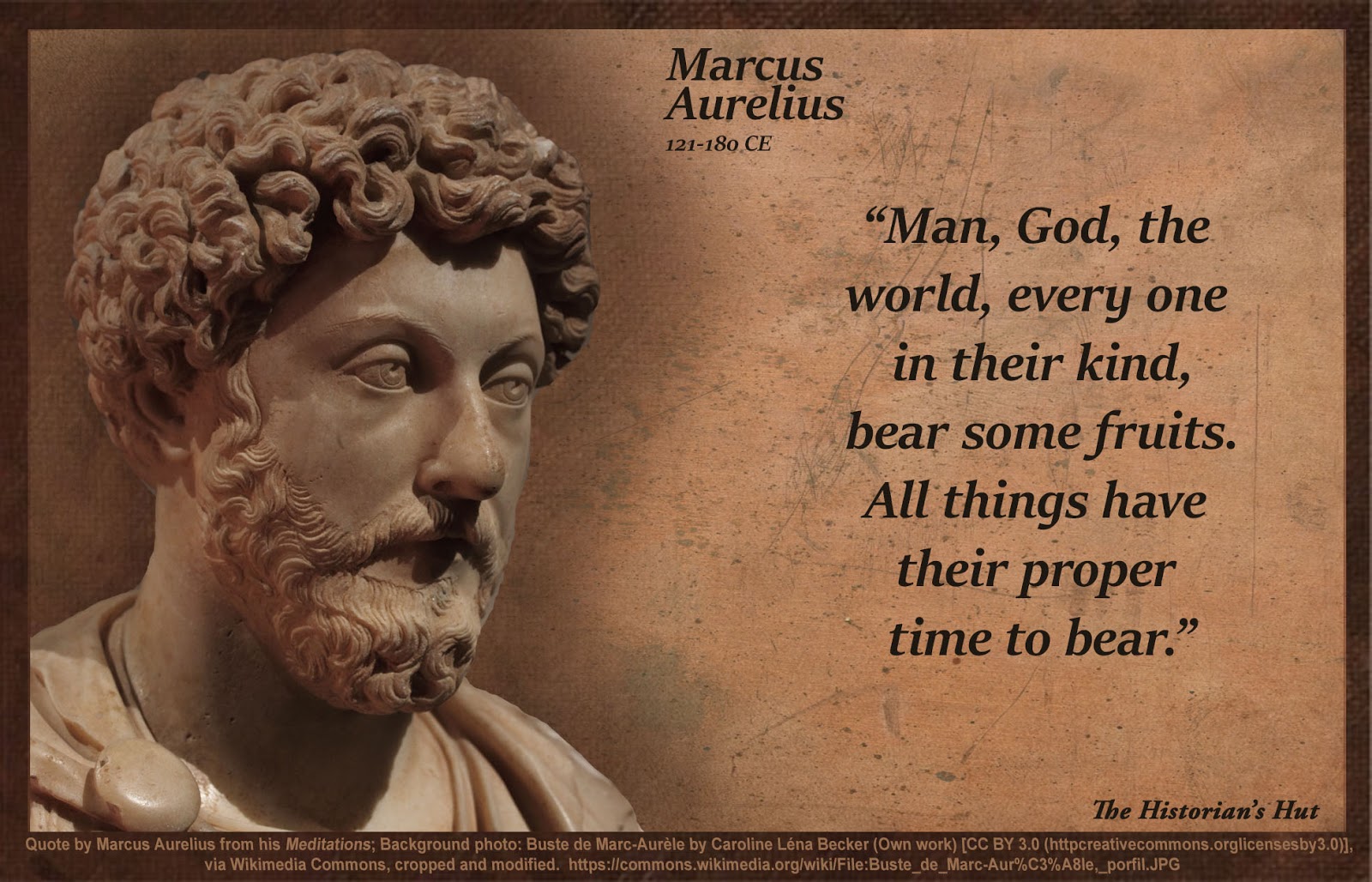
Marcus Aurelius, the revered Roman emperor and Stoic philosopher, left an indelible mark on the history of philosophical thought. His meditative reflections provide timeless wisdom relevant not only to his contemporaries but to each of us navigating life’s labyrinth. These eloquent musings serve as beacons of clarity, illuminating paths toward a more meaningful existence. In this exploration, we delve into the top ten quotes from Aurelius that encapsulate his profound insights on life, each accompanied by a metaphor that deepens our understanding.
1. “The soul becomes dyed with the color of its thoughts.”
This metaphor of dye suggests that our thoughts are powerful agents of transformation; they can alter the very fabric of our being. Just as fabric absorbs dye, so too do our minds absorb the quality of our inner dialogue. Cultivating positive, virtuous thoughts leads to a vibrant, resilient spirit, while negative thinking can dull our essence. Our thoughts shape our perceptions, and by consciously selecting the hues of our mental landscapes, we can foster a more optimistic life.
2. “You have power over your mind—not outside events. Realize this, and you will find strength.”
In this quote, the metaphor of power evokes the image of a fortress. Your mind is a stronghold, impervious to the chaos of the outside world, a realm where you wield the authority to dictate your responses. By recognizing this autonomy, we arm ourselves with the fortitude to withstand external trials. When we embrace the idea that we can control our reactions, we cultivate resilience amid adversity and rise more adeptly from our personal battles.
3. “The happiness of your life depends upon the quality of your thoughts.”
Here, Aurelius likens life to a garden, where happiness flourishes only when tended with care. Just as a gardener selects the finest seeds for planting, so too must we choose our thoughts wisely. Thoughts of gratitude, kindness, and wisdom are the seeds that yield a bountiful harvest of joy. Neglecting this mental garden can lead to a thicket of negativity, suffocating the blossoms of happiness that could otherwise thrive.
4. “Waste no more time arguing about what a good man should be. Be one.”
This call to active engagement is reminiscent of a sculptor chiseling away at marble. Instead of debating the virtues of a good life, Aurelius urges us to embody those qualities. The transformation requires action and dedication; it’s about carving out our personal character rather than merely discussing ideals. By becoming the embodiment of goodness, we contribute to the world’s beauty, sculpting it with our actions.
5. “Our life is what our thoughts make it.”
In this statement, Aurelius presents a mirror reflecting our inner world. The life we experience is a direct projection of our mental state. If we envision our existence through a prism of mindfulness and positivity, we unlock a more fulfilling reality. However, allowing negativity to cloud our perspective distorts our surroundings, casting shadows on potential joys. This metaphor of a mirror invites us to introspect and adjust our thoughts to polish the reflections of our lives.
6. “The time you think you have is a mirage.”
Imagine time as a fleeting shadow at dusk, elusive and ephemeral. Aurelius reminds us that procrastination is a thief, robbing us of the present moment. Acknowledging the transitory nature of time encourages us to seize each precious second, engaging with life more fully. This metaphor serves as a rallying cry to live deliberately, as it underscores the urgency of transforming aspirations into tangible actions before they dissolve into the ether.
7. “It is not death that a man should fear, but he should fear never beginning to live.”
In this philosophical contemplation, Aurelius introduces a dramatic juxtaposition—death versus the inertia of inaction. The metaphor of life as a grand canvas invites us to paint boldly with our experiences, suggesting that fear of death pales in comparison to the dread of unrealized potential. Instead of shying away from existence, we should embrace every vibrant brushstroke, affirming our names upon the tapestry of life.
8. “To live happily is an inward power of the soul.”
This statement evokes the image of an internal sanctuary, where true happiness reigns. Aurelius posits that the genesis of joy resides within us, a flame that can be kindled through introspection and self-awareness. This metaphor illustrates that external circumstances may flicker and fade, but the internal power to cultivate happiness remains steadfast against life’s tempests. Embracing this inner strength allows us to navigate the world with equanimity and grace.
9. “Look within. Within is the fountain of good, and it will ever bubble up, if you will ever dig.”
Imagining an underground spring, Aurelius conveys the message that our virtues lie dormant, waiting to be unearthed. This metaphor emphasizes that personal growth and goodness demand effort and introspection. By engaging in self-reflection and diligent self-examination, we can access the reservoir of benevolence and wisdom that resides within us, allowing it to flow effortlessly into the world.
10. “The best revenge is to be unlike him who performed the injury.”
In this contemplative sentiment, Aurelius evokes the image of a phoenix rising from the ashes. Rather than succumbing to the baseness of revenge, he advocates for a higher moral ground. By embodying traits contrary to our adversaries, we transcend the cycle of negativity, allowing our nobility to shine through despite attempts to tarnish it. This metaphor encourages us to harness the power of virtue as a means of personal elevation in the face of adversity.
In conclusion, the wisdom of Marcus Aurelius continues to resonate through the corridors of time. His reflections urge us to live with intent and cultivate our inner landscapes. By embracing his insights, we can navigate the complexities of existence with grace, forging a path toward a life of purpose, resilience, and profound contentment. His words remind us that while we cannot control the external world, we have the transformative power to shape our thoughts, actions, and ultimately, our lives.







Leave a Comment