
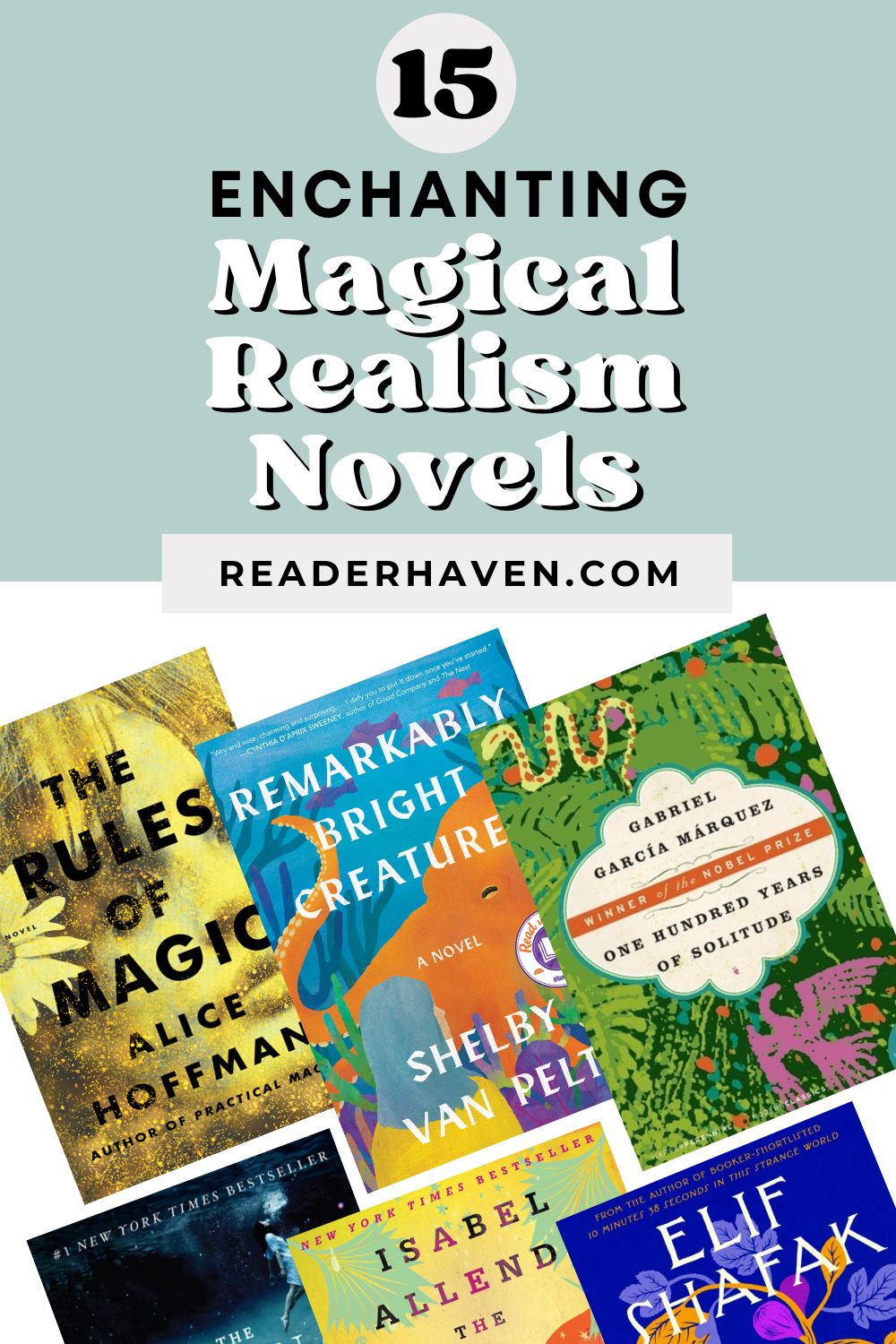
Magical realism, a literary genre that seamlessly intertwines the mundane with the surreal, encapsulates the essence of human experience through extraordinary storytelling. In such works, the fantastical is woven into the fabric of our everyday lives, prompting readers to delve deeper into the complexities of existence. These narratives beckon us to reconsider the ordinary, illuminating how magic pervades even the most unremarkable moments. Here, we unveil the top 10 magical realism books that have left an indelible mark on the literary landscape, each inviting readers to bask in the enchantment of the unexpected.
1. One Hundred Years of Solitude by Gabriel García Márquez
The cornerstone of magical realism, this monumental work charts the rise and fall of the Buendía family in the fictional town of Macondo. With an exquisite blend of the ordinary and the extraordinary, García Márquez conjures a universe where rain falls in the form of flowers, and ghosts linger in the homes of the living. The cyclical nature of time and the inexorable tide of fate are interwoven with elements of myth and folklore, igniting a profound fascination with the passage of generations and the burdens of heritage.
2. The House of the Spirits by Isabel Allende
Allende’s debut novel, a sweeping family saga, is infused with the spirit of Chilean culture and history. The interplay of love, despair, and political upheaval is accentuated by the presence of supernatural elements, such as clairvoyance and spectral visitations. As the Trueba family navigates their tumultuous lives, their struggles mirror the nation’s tumult, prompting readers to explore the intersection of personal and political histories. Through lyrical prose, Allende invites contemplation on the enduring power of memory and the unbroken bonds of family.
3. Midnight’s Children by Salman Rushdie
This novel intertwines the life of Saleem Sinai with the fate of India, marking the moments of his birth with the country’s historical milestones. Rushdie’s deft manipulation of reality highlights the interconnectedness of personal and national identities. With a kaleidoscopic narrative, the text suggests that individual stories are irrevocably linked to the collective experience—an observation that resonates deeply in a world where personal narratives often reflect broader societal truths. The surreal becomes a lens through which to scrutinize the nuances of cultural identity.
4. Like Water for Chocolate by Laura Esquivel
Love and culinary art are artfully intertwined in Esquivel’s passionate tale that follows Tita, a young woman bound by family tradition. Each chapter unfolds with a recipe that intricately connects food to emotion, transforming the act of cooking into a medium of expression and rebellion. The magical transformations of Tita’s meals evoke the sensual intimacy of taste and memory. It speaks to the innate human desire to forge connections, while also challenging societal norms—a striking commentary on the roles of women and tradition.
5. The Master and Margarita by Mikhail Bulgakov
This intricate satire skillfully interlaces the mundane lives of 1930s Moscow with the supernatural forces unleashed by the Devil, embodied in the enigmatic figure of Woland. Through a parallel narrative featuring Pontius Pilate and a tragic romance, Bulgakov explores themes of love, faith, and redemption. The absurdity of human experience is accentuated by the convergence of the real and the fantastical, prompting readers to reflect on the nature of good and evil. The novel remains a poignant critique of totalitarianism, enhancing its relevance through its bold narrative structure.
6. The Wind-Up Bird Chronicle by Haruki Murakami
This stunning work traverses the blurred boundaries of reality and dreams, as Toru Okada embarks on a bizarre quest to find his missing wife. Murakami’s imagination births eccentric characters and surreal occurrences, each fragment contributing to a broader exploration of the subconscious. Inhabiting a world steeped in symbolism and obscurity, the narrative urges readers to confront the hidden fears and desires that shape their realities. The merging of the fantastic with profound existential inquiries reveals the enigma of human experience.
7. A Very Old Man with Enormous Wings by Gabriel García Márquez
A short story that exemplifies the essence of magical realism, Márquez presents an aged, winged man who appears in a small village. The townspeople, initially enchanted, soon devolve into a spectacle of moral ambiguity and exploitation. Through this allegorical tale, the author critiques human nature’s propensity to treat the extraordinary as mere entertainment. The juxtaposition of the miraculous with mundane realities prompts reflection on empathy, wonder, and the limitations of human understanding.
8. The Brief Wondrous Life of Oscar Wao by Junot Díaz
Díaz interlaces Dominican history and pop culture with the story of Oscar de León, a young man cursed by a family history that intertwines with the magical and the tragic. The narrative unfolds through an innovative use of language and cultural references, capturing the complexity of identity and the immigrant experience. The presence of the fukú, a curse haunting Oscar’s lineage, serves as a metaphor for the struggles faced by the diaspora. This fusion creates an expansive commentary on the human condition—transcending geographical and cultural boundaries.
9. The Ocean at the End of the Lane by Neil Gaiman
The pervasive theme of lost childhood resonates within Gaiman’s nostalgic tale, where the protagonist revisits his past and encounters enchanting elements woven with real-life horror. The narrative takes readers on a journey through memory, illustrating how childhood experiences shape our adult selves. Gaiman’s use of myth and fantasy serves as a poignant reminder of the resilience of imagination and the lingering effects of trauma. It subtly invites reflection on the intersection of memory, fear, and the ephemerality of innocence.
10. The Night Circus by Erin Morgenstern
This modern fairy tale draws readers into a world of mesmerizing illusions and enchantments, where two young magicians are bound in a duel of skill and imagination. The circus—an ephemeral spectacle that appears without warning—symbolizes the ephemeral beauty of artistry and dreams. Morgenstern’s lyrical prose immerses readers in a tableau of wonder, inviting contemplation on the delicate balance of love and rivalry. The intricate narrative structure, replete with lush imagery, emphasizes the enchantment of unfolding destinies.
In conclusion, the allure of magical realism rests in its ability to illuminate the extraordinary within the ordinary. These literary masterpieces challenge perceptions and provoke contemplation, reminding us that beneath the surface of everyday life lies a realm of profound magic. Each story unveils the nuances of human existence, beckoning us to explore the deeper truths that often elude our grasp. Whether through the lens of historical turmoil, familial ties, or the magic of memory, these works continue to inspire wonder and introspection long after the final page is turned.







Leave a Comment