
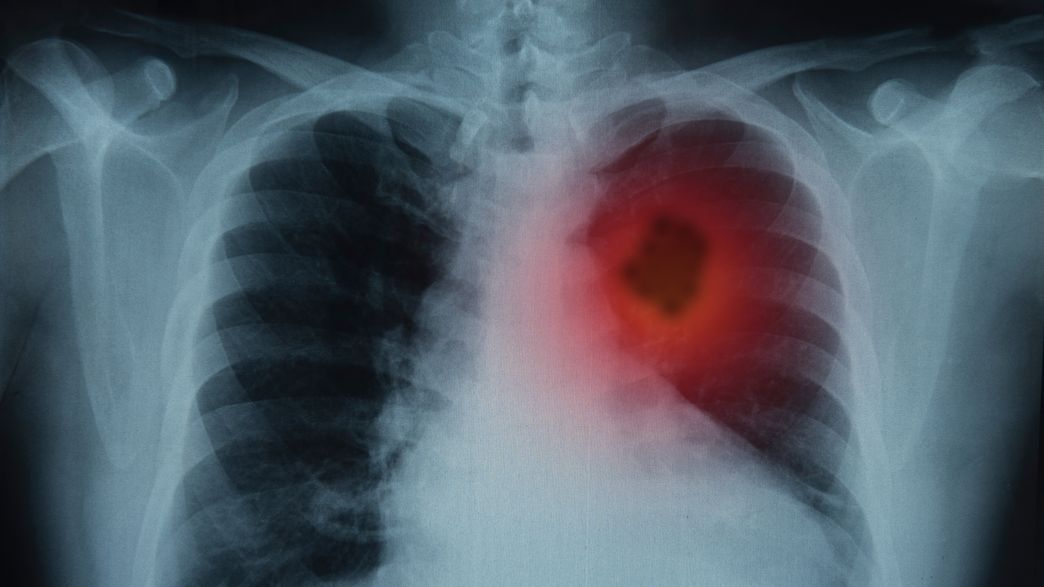
Have you ever pondered what the leading culprits behind cancer and cancer-related deaths might be? It’s a question that intrigues many and can spark a desire to unearth hidden truths about this pervasive disease. With such staggering statistics tied to cancer, understanding its main causes could empower individuals to mitigate their risk. Let’s delve into the top 10 leading causes of cancer and cancer deaths as we peel back the layers of this complex ailment.
1. Tobacco Use
Perhaps the most notorious of cancer’s perpetrators is tobacco use. The ingestion of tobacco in any form, whether through smoking, chewing, or secondhand exposure, significantly increases the likelihood of developing various cancers, particularly lung cancer. The myriad of carcinogens within tobacco smoke incites mutations in DNA, paving the way for cancerous cells to proliferate. Additionally, tobacco-related cancers encompass throat, mouth, pancreas, and bladder, underscoring its insidious reach.
2. Unhealthy Diet
The adage “you are what you eat” rings particularly true in the context of cancer. Diets high in processed foods, red meats, and sugars while lacking in fruits, vegetables, and whole grains can foster an environment conducive to cancer development. A nutrient-deficient diet can lead to obesity, a significant risk factor for numerous cancers, including breast, colon, and esophageal cancers. Emphasizing a balanced and nutritious diet may be a crucial step in cancer prevention.
3. Physical Inactivity
In an age where sedentary lifestyles are the norm, physical inactivity has emerged as a formidable adversary in the battle against cancer. Regular physical activity serves not only as a catalyst for weight management but also as a performance enhancer for the immune system. Insufficient physical exercise is associated with a greater risk of developing colonic, breast, and endometrial cancers. The challenge becomes integrating more movement into daily life, turning routine activities into opportunities for fitness.
4. Alcohol Consumption
Alcohol, though often enjoyed socially, can have deleterious effects when consumed in excess. Its link to a variety of cancers, particularly those affecting the mouth, throat, esophagus, liver, and breast, is well-documented. The carcinogenic properties of ethanol exacerbate cellular changes, and when coupled with tobacco use, the risk compounds further. Striking a balance in alcohol consumption could prove pivotal for many individuals keen on reducing their cancer risk.
5. Infectious Agents
Believe it or not, certain viruses, bacteria, and parasites wield significant influence over cancer risk. Human papillomavirus (HPV), hepatitis B and C viruses, and Helicobacter pylori are just a few examples of infectious agents that can alter cellular DNA and provoke cancer development. Immunizations, such as those for HPV and hepatitis, can serve as powerful tools in thwarting these infections and their associated cancer risks.
6. Environmental Pollution
The contamination of air, water, and soil with hazardous substances poses an unseen but potent threat. Exposure to pollutants like benzene, formaldehyde, and other industrial chemicals can lead to an increased incidence of various cancer types. Understanding the effects of long-term exposure to environmental carcinogens adds another layer to the cancer prevention puzzle. It urges us to consider our surroundings and the potential risks they harbor.
7. Radiation Exposure
Radiation is a widely known risk factor, but the nuances often go unnoticed. Both ionizing radiation, such as that from X-rays and radon gas, and non-ionizing radiation, from ultraviolet (UV) light, can elevate cancer risk. UV exposure is particularly notorious for skin cancers, including melanoma, while radon exposure is a significant concern in certain geographical regions. Implementing protective measures and awareness can be lifesaving in many contexts.
8. Obesity
Your waistline holds secrets that stretch beyond mere aesthetics. Obesity is a grave concern tied to multiple cancer types, including breast, colorectal, and kidney cancers. The metabolic imbalances associated with excess body fat can lead to chronic inflammation and hormonal changes, creating a fertile ground for cancer to thrive. Thus, addressing obesity through lifestyle changes might not only enhance overall health but also diminish cancer vulnerability.
9. Genetic Predisposition
Genetic factors undeniably play a role in cancer susceptibility. Certain inherited mutations, such as BRCA1 and BRCA2, are infamous for dramatically increasing the lifetime risk of developing breast and ovarian cancers. Understanding one’s genetic makeup can inform personal health strategies and prompt discussions about preventive measures, including screening and lifestyle adjustments. The existential question remains: can knowledge empower us to rewrite our genetic narratives?
10. Hormonal Factors
Hormones exert a significant influence on cancer risk, particularly for cancers such as breast and prostate. Exposure to endogenous hormones, coupled with external factors—such as hormone replacement therapy—can heighten susceptibility. Awareness of how hormonal imbalances and exposures can affect health is essential, leading to informed decisions regarding contraceptives or treatments.
In conclusion, recognizing the leading causes of cancer and cancer deaths serves not only to inform but also to illuminate the intricate web of factors contributing to this formidable illness. Whether through lifestyle modifications, increased awareness regarding environmental risks, or proactive healthcare decisions, individuals can play a pivotal role in their own protection against cancer. The journey toward understanding and combatting cancer could very well spark a collective movement toward better health. Can you take up the challenge to reduce your personal risk and lead a healthier life?










Leave a Comment