
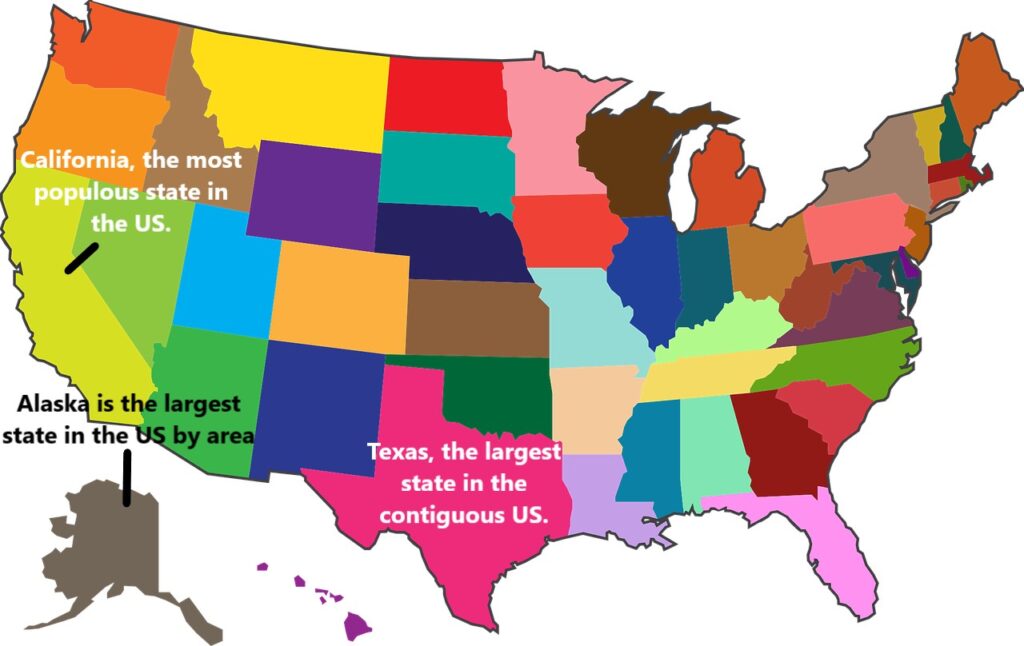
When contemplating the vast landscape of the United States, one cannot help but marvel at the sheer magnitude of its largest states. Vast expanses of naturescape juxtaposed against sprawling urban environments create a rich tapestry of geography and culture. Understanding the largest states by area not only sheds light on their geographical significance but also provides insight into their unique ecosystems, cultural diversity, and historical significance. Here, we delve into the top ten largest U.S. states by area, exploring the defining characteristics, attractions, and ecological wonders that make each state a distinctive entity in its own right.
1. Alaska
Alaska reigns supreme as the largest state in the U.S., encompassing a staggering 663,300 square miles. Comparable in size to the combined total of the next three largest states, Alaska is a land of breathtaking contrasts: icy tundras, towering mountain ranges, and sprawling forests intermingle seamlessly. The state’s renowned Denali National Park boasts North America’s highest peak, Denali, which towers at 20,310 feet. Untamed and largely uninhabited, Alaska is a sanctuary for myriad wildlife species, including grizzly bears and migrating caribou, making it a prime destination for nature enthusiasts and adventurers alike.
2. Texas
Often characterized by its expansive ranchlands and vibrant cultural heritage, Texas occupies the second largest position at approximately 268,600 square miles. The Lone Star State is not only known for its size but also for its fierce sense of independence that permeates its history. From the picturesque Hill Country, adorned with bluebonnets in the spring, to the bustling metropolis of Houston, Texas offers a diverse array of experiences. The state is also rich in resources, notably oil, which has significantly influenced its economic landscape.
3. California
Home to diverse ecosystems and iconic landmarks, California is the third-largest state with an area totaling around 163,700 square miles. The Golden State’s geography varies significantly—from the sun-kissed beaches of Southern California to the majestic redwoods of Northern California. California is not only a cultural melting pot but also the birthplace of innovation and entertainment. Significant attractions such as Yosemite National Park and Disneyland draw millions of visitors annually, contributing to its status as a premier tourist destination.
4. Montana
As the fourth largest U.S. state, Montana covers approximately 147,000 square miles of striking landscapes. Often referred to as “Big Sky Country,” it boasts an unparalleled expanse of open skies and natural beauty. The state is home to vast mountain ranges, pristine lakes, and the famous Glacier National Park, where visitors can revel in stunning vistas and abundant wildlife. With a rich Native American history and sprawling ranchlands, Montana embodies the spirit of the American West.
5. New Mexico
New Mexico claims the fifth spot with an area of around 121,500 square miles. Known as the Land of Enchantment, it radiates a mystical allure with its distinctive blend of Native American and Hispanic cultures. The state’s stunning landscapes, including the otherworldly White Sands National Park and the dramatic cliffs of Bandelier National Monument, draw those seeking natural wonder. Rich in history and artistry, New Mexico hosts numerous festivals and markets celebrating its vibrant cultural tapestry.
6. Arizona
Covering approximately 113,600 square miles, Arizona is renowned for its striking geological formations and desert landscapes. The Grand Canyon, a UNESCO World Heritage Site, stands as a testament to the state’s ancient geological history, attracting adventurers and nature lovers from across the globe. Beyond the canyon, Arizona features unique desert ecosystems and vibrant cities, such as Phoenix and Tucson, bustling with Southwest architecture and culinary offerings that reflect its rich heritage.
7. Nevada
With an area of around 110,600 square miles, Nevada is recognized for its diverse landscape that ranges from arid deserts to mountainous terrains. Famous for its entertainment capital, Las Vegas, the state offers a vibrant nightlife, extravagant shows, and bustling casinos. However, the grandeur of Nevada extends beyond its urban environment; sites like Lake Tahoe and Great Basin National Park showcase natural beauty and outdoor recreation, offering a refreshing contrast to the neon lights of the city.
8. Colorado
Colorado claims the eighth position with an area of approximately 104,100 square miles, characterized by its majestic Rocky Mountain range. The state is a haven for outdoor enthusiasts, with numerous opportunities for hiking, skiing, and mountain biking. Beyond its natural splendor, Colorado is also known for its craft breweries and cultural festivals, blending urban charm with breathtaking landscapes. The vibrant city of Denver serves as a gateway to both outdoor adventures and metropolitan experiences.
9. Oregon
Covering about 98,400 square miles, Oregon is celebrated for its diverse environments, ranging from coastal cliffs to lush forests and arid deserts. This state is home to the iconic Crater Lake National Park, famous for its deep blue water formed in an extinct volcano. Oregon embodies a strong commitment to environmental conservation and offers numerous outdoor activities, making it a sought-after destination for those who appreciate nature and sustainable living.
10. Wyoming
Finally, Wyoming rounds out the list as the tenth largest state, with an area of approximately 97,100 square miles. Known for its expansive prairies and majestic mountains, it houses Yellowstone National Park, the nation’s first national park, which showcases geothermal features like the iconic Old Faithful geyser. Despite its large area, Wyoming has one of the lowest population densities in the U.S., allowing for unspoiled landscapes and abundant wildlife.
Exploring America’s largest states by area reveals a plethora of diverse landscapes and rich cultural heritages. Each state presents an opportunity to connect with nature, history, and community, enticing residents and travelers alike to engage with the unique story each place has to tell. As these expansive states continue to evolve, they remain integral to understanding the essence of the United States, inviting exploration and appreciation of their grandeur.







Leave a Comment