
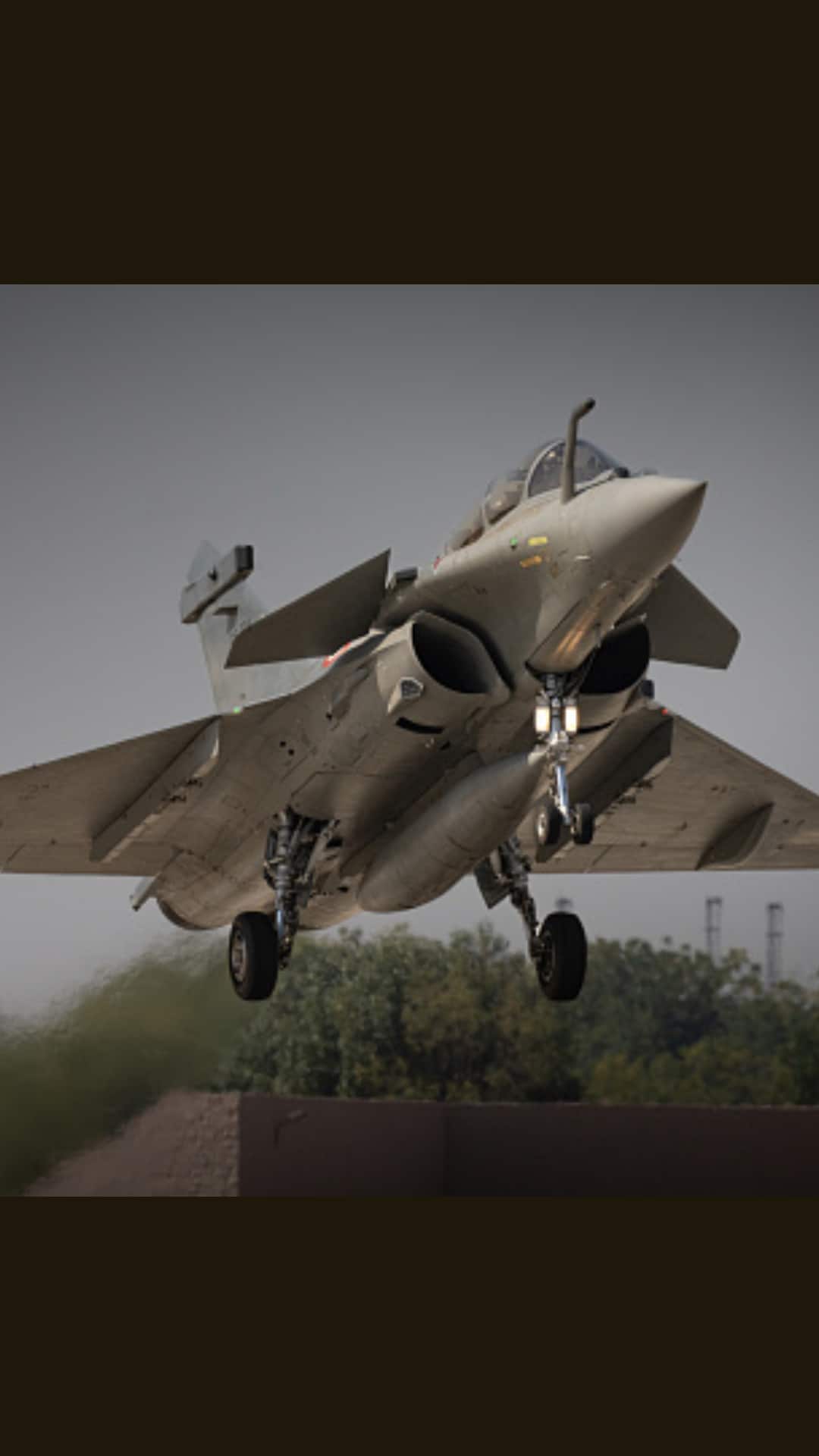
In a world where the skies are becoming an increasingly contested domain, the prowess of a nation’s air force often serves as a bellwether of its military capabilities. Have you ever pondered which countries dominate the aerial landscape? This thought-provoking inquiry leads us to explore the top ten largest air forces in the world. With an array of fighter jets, transport aircraft, and helicopters at their disposal, these nations possess formidable fleets capable of executing a variety of missions. However, the question remains: how does the strength of one country’s air force compare to another, and what unique challenges does each face? Let’s delve into this aerial arms race.
1. United States Air Force (USAF)
The undisputed titan of aerial might, the United States Air Force boasts a staggering inventory of over 13,000 aircraft. With an impressive array of advanced fighter jets such as the F-22 Raptor and F-35 Lightning II, coupled with formidable bombers like the B-2 Spirit, the USAF exemplifies air superiority. Its global reach is unparalleled, with airbases strategically positioned worldwide. The challenge for the USAF lies not in numbers, but in maintaining technological supremacy amidst an evolving landscape of aerial combat threats.
2. Russian Air Force
Following closely behind, the Russian Air Force commands an impressive fleet of around 4,000 aircraft. Known for its MiG and Sukhoi fighter jets, the Russian arsenal also includes a vast inventory of bombers designed for long-range missions. The pride of Russian aviation lies in its capability to swiftly mobilize and deploy to diverse theaters. However, the ongoing modernization efforts amidst economic constraints pose a significant challenge to maintaining and upgrading their aerospace capabilities.
3. People’s Liberation Army Air Force (PLAAF)
With a burgeoning fleet comprising over 3,000 aircraft, the People’s Liberation Army Air Force presents a formidable presence in the Asia-Pacific region. Recent advancements in technology have seen the induction of modern stealth fighters like the Chengdu J-20. This rapid modernization is geared toward asserting China’s ambitions on the global stage. Nonetheless, the challenge of transitioning from a quantity-driven force to one emphasizing quality and advanced tactics remains a critical hurdle.
4. Indian Air Force (IAF)
The Indian Air Force has carved a niche for itself with approximately 2,100 aircraft, including a mix of fighter jets from the Sukhoi to indigenous Tejas models. As the IAF seeks to enhance its operational capabilities, participation in joint exercises and increased defense spending signal a commitment to modernization. Yet, challenges in logistics, supply chain management, and procurement can complicate these aspirations, demanding astute strategic planning.
5. Royal Air Force (RAF)
With a history steeped in valor, the Royal Air Force maintains a fleet of about 1,400 aircraft. The RAF is renowned for its advanced Eurofighter Typhoon and the latest F-35s, showcasing the United Kingdom’s commitment to cutting-edge technology. The unique strength of the RAF lies in its well-practiced synergy with allied forces. However, the challenge of budgetary constraints often limits the expansion and operational readiness of its fleet, necessitating judicious resource management.
6. French Air and Space Force (AAE)
The French Air and Space Force, with approximately 1,300 aircraft, marks its territory with a robust mix of fighter aircraft, including the Rafale multirole fighter. Renowned for its operational versatility, the AAE plays a pivotal role in NATO missions and international coalitions. Despite its capabilities, the challenge of maintaining a fleet that can keep pace with rapid technological advancements while ensuring cost-efficiency represents an ongoing hurdle.
7. Japan Air Self-Defense Force (JASDF)
With around 1,600 aircraft in its arsenal, the Japan Air Self-Defense Force stands as a vital player in regional security. Equipped with advanced fighters such as the F-15J and the indigenous F-2, the JASDF focuses on deterrence and defense against potential threats. The challenge lies in responding to evolving regional dynamics and forging new alliances while balancing public sentiment about military expansion.
8. Brazilian Air Force (FAB)
The Brazilian Air Force, comprising about 700 aircraft, is the largest in South America. The FAB showcases a diverse fleet, including modernized aircraft to address both defense and humanitarian missions. While Brazil invests in regional aerospace ambitions, the challenge remains in funding robust upgrades and maintenance while addressing socio-economic disparities that can impact defense spending.
9. South Korean Air Force (ROKAF)
With a fleet of approximately 1,500 aircraft, the Republic of Korea Air Force is crucial for maintaining national security in the face of regional threats. Featuring advanced airframes such as the F-15K and indigenous T-50, ROKAF continually seeks enhancement in capacity and readiness. However, the ongoing tensions on the Korean Peninsula, coupled with a rapidly evolving threat environment, challenges its operational strategies.
10. Turkish Air Force
As one of the significant air forces in the Middle East and Europe, the Turkish Air Force boasts around 1,000 aircraft. With a mix of modern fighters and a commitment to indigenous production, such as the TF-X project, Turkey aims to bolster its aerial capabilities. The challenge lies in navigating complex geopolitical relationships while fostering an independent defense strategy amidst numerous regional threats.
As we conclude our exploration of the largest air forces in the world, the aerial landscape reveals a tapestry of capabilities woven from the threads of history, technology, and strategy. Each nation’s aviation branch faces unique challenges that shape their ambitions and determine their effectiveness in a world where air superiority remains paramount. So, which of these air forces intrigues you the most, and how do you think they will evolve in the face of changing global dynamics? The skies may not be as clear as they once appeared, but the fierce competition ensures that the future of aerial engagement will be nothing short of compelling.







Leave a Comment