
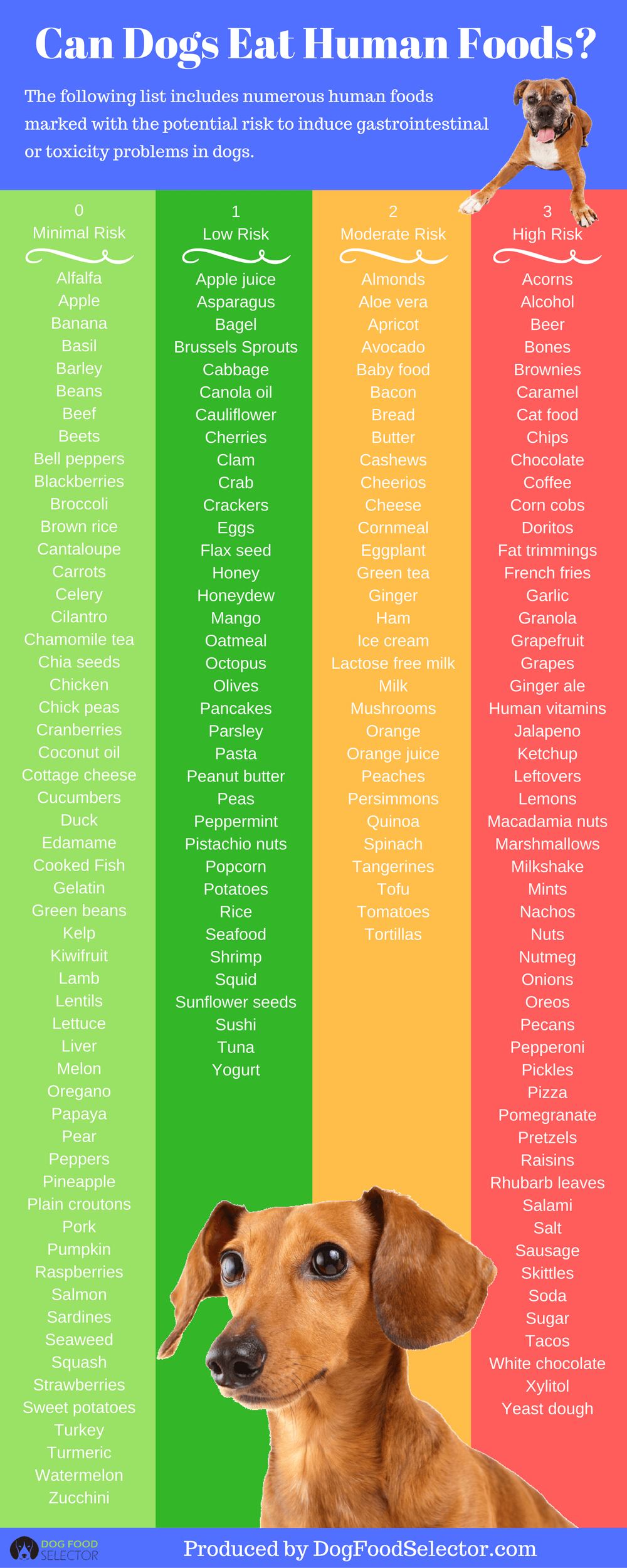
As devoted dog owners, we often find ourselves pondering what delectable delights we can share with our furry companions. While dog food is specially formulated to cater to canines’ nutritional needs, certain human foods can also make for safe and enjoyable treats. Understanding which foods are safe is crucial for the health and wellbeing of your dog. Here, we delve into the top ten human foods that canines can safely indulge in, providing informative insights for every pet lover.
1. Carrots
Carrots, those vibrant orange root vegetables, are not just visually appealing but also a powerhouse of nutrition. They are low in calories and rich in vitamins, particularly vitamin A, which supports good vision and enhances skin health. Dogs can enjoy these crunchy snacks raw or cooked, although raw carrots may provide a satisfying crunch that supports dental health. Offering carrot sticks can also prove to be a great training reward.
2. Blueberries
Blueberries are a delightful burst of flavor that dogs can safely consume. Packed with antioxidants, fiber, and vitamins C and K, these little fruits can protect against cellular damage and promote overall health. They can serve as a refreshing snack and are perfect for mixing into homemade dog treats or even freezing them for a cool summer delicacy. Just a handful will suffice; moderation is key, as with any treat.
3. Pumpkin
This autumnal favorite is not only a festive decoration; it is also an excellent food for dogs. Pureed pumpkin (not the spiced pie filling) is beneficial for digestion, thanks to its high fiber content. It can aid in alleviating both constipation and diarrhea. Incorporating pumpkin into your dog’s diet can be as simple as adding a spoonful to their regular kibble. Keep in mind to avoid any added sugars or spices to maintain healthful integrity.
4. Cooked Sweet Potatoes
Sweet potatoes serve as a nutrient-rich alternative to traditional dog treats. These tubers are vibrant in color and full of vitamins A, C, and B6. They contain healthy carbohydrates and dietary fiber, ensuring energy and digestive health. Cooked and mashed sweet potatoes can easily be mixed with other foods or served in their own right. Always be sure to serve them plain and cooked, without any additives like butter or seasoning.
5. Apples
Apples, the crisp and crunchy fruit, can also be a tasty snack for dogs. They are laden with vitamins A and C, alongside essential fiber. Dogs can enjoy apple slices as a refreshing treat. However, be mindful to remove the seeds and core, as they can pose choking hazards and contain harmful substances. A slice or two is generally enough; moderation matters to prevent any tummy troubles.
6. Plain Yogurt
Plain yogurt, particularly varieties without any added sugar or artificial flavors, can be a beneficial addition to your dog’s diet. It is a source of probiotics that can aid in digestion and boost the immune system. Yogurt also contains calcium and protein, enhancing bone and muscle health. When introducing yogurt, start with small amounts to ensure your dog’s stomach can tolerate dairy products.
7. Peanut Butter
Peanut butter remains one of the most beloved dog treats across the globe. This protein-rich spread contains healthy fats and essential vitamins B and E. Dogs usually find it irresistible, making it perfect for stuffing into toys or serving solo as a snack. However, it is crucial to choose natural peanut butter without xylitol, a sugar substitute that can be toxic to dogs. Moderation is vital due to its high-caloric content.
8. Green Beans
Green beans, whether fresh, cooked, or frozen, can provide your pup with a crunchy and nutrient-dense snack. Low in calories and high in fiber, these vegetables can aid in weight management. They are also a good source of vitamins C and K. Serving green beans can be as simple as tossing a handful into their food bowl or using them as healthy training rewards.
9. Oatmeal
Rich in soluble fiber, oatmeal can be a beneficial food for dogs, particularly for those with gastrointestinal issues. It can help to regulate blood sugar levels and boost heart health, making it a wholesome addition to your canine companion’s diet. Ensure it is cooked and served without any additives, such as sugar or flavored syrups. A modest serving alongside their standard feed can be a nutritious enhancement.
10. Salmon
Salmon, a treasure trove of omega-3 fatty acids, can improve skin and coat condition while also promoting cognitive function. This fish is best served cooked and boneless, as raw salmon can harbor harmful pathogens. Offering salmon in moderation, either integrated into homemade meals or as an occasional treat, can greatly benefit your dog’s health and vitality.
In conclusion, introducing human foods into your dog’s diet can be a delightful exploration for both you and your furry friend. Each of the aforementioned foods provides nutritional benefits along with flavors that are sure to tantalize your dog’s taste buds. However, always keep in mind the importance of moderation and the necessity to avoid harmful ingredients. As you embark on this culinary journey together, your dog will not only appreciate the new treats but will also thrive on the wholesome nutrition you provide.







Leave a Comment