
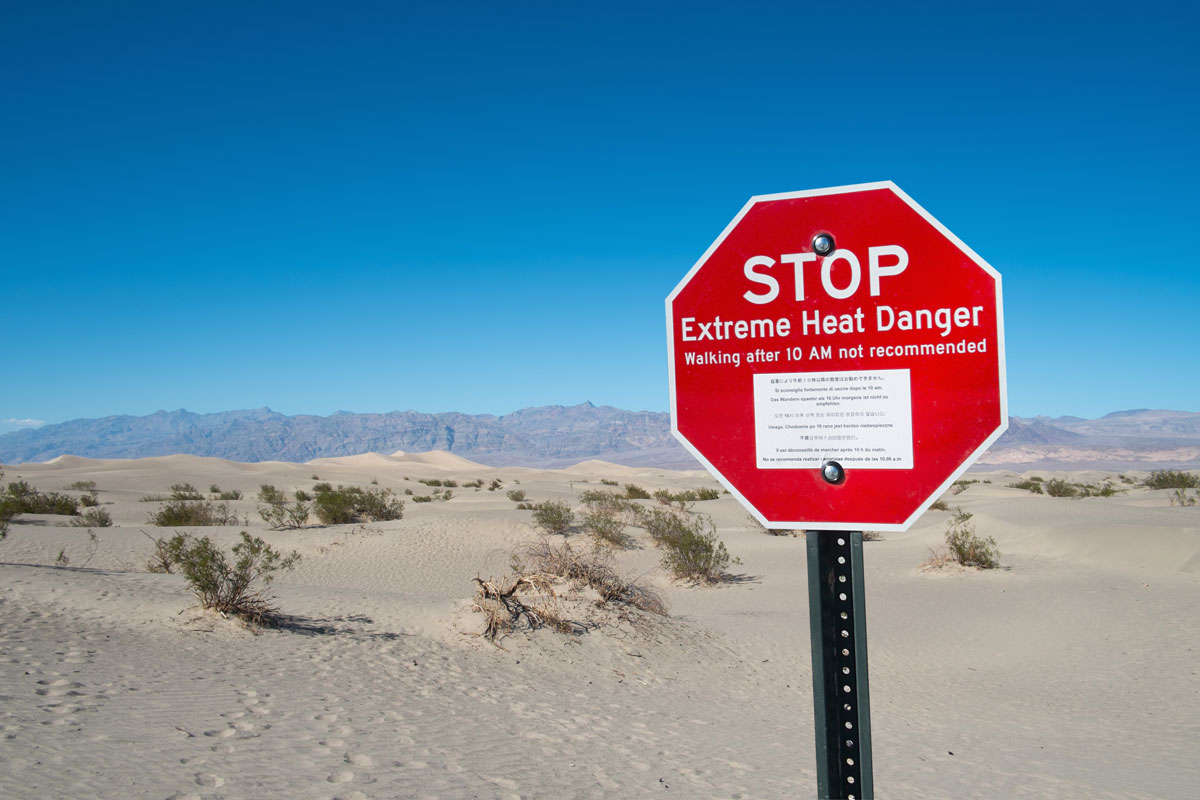
When one imagines the profound extremes of our planet, the mind often drifts toward the sweltering expanse of deserts, the blistering heat radiating from sun-soaked terrains, and the relentless assault of solar rays. Indeed, some locales are notorious for their sizzling temperatures, presenting a unique blend of beauty and harshness. Herein lies a detailed exploration of the top 10 hottest places on Earth, delving into their distinctive characteristics and contexts.
1. Death Valley, California, USA
Embodied within the confines of Death Valley is Furnace Creek, a locale that has recorded the highest air temperature ever: a staggering 134°F (56.7°C) in July of 1913. The valley’s topology, with its vast, salt flats and rugged mountains, creates a microclimate that intensifies the heat. Visitors to this inhospitable landscape can witness the stark beauty of the land, albeit with precautions due to scorching temperatures that average around 120°F (49°C) during peak summer months.
2. Lut Desert, Iran
In the heart of Iran lies the Lut Desert, an expansive and desolate expanse that has recorded ground temperatures peaking at a remarkable 159.3°F (70.7°C). The desiccated terrain, punctuated by towering sand dunes and hardened clay, tells a tale of geological history while serving as one of Earth’s most arid zones. Its unyielding heat and stunning natural formations render it both a scientific marvel and an enigma of environmental resilience.
3. Sonoran Desert, Mexico & USA
Spanning across both Mexico and the United States, the Sonoran Desert is emblematic of hot desert climates. Known for its enchanting flora, particularly the saguaro cactus, it experiences summertime highs that regularly soar above 120°F (49°C). The shimmering landscape, alive with diverse wildlife and a canopy of stars at night, composes a multifaceted tapestry of heat and life, showcasing the remarkable adaptability of organisms to such extremes.
4. Kuwait City, Kuwait
The capital of Kuwait has gained notoriety for enduring some of the most extreme temperatures documented in urban settings. In July 2016, the mercury climbed to an astounding 129.2°F (54°C), marking one of the hottest days on record. Amidst modern skyscrapers and historical landmarks, the city’s climate poses challenges to daily life, with residents accustomed to a counterbalance of extreme air conditioning and evening activities to escape the cauldron-like conditions.
5. Dallol, Ethiopia
Dallol, situated in the Danakil Depression, is not just recognized for its unyielding heat but for the surreal landscapes that accompany it. The average annual temperature here has been clocked at a staggering 94.7°F (34.7°C). The interplay of geothermal activity and extreme heat produces vibrant sulfur springs and multicolored mineral deposits, creating a fantastical landscape that feels otherworldly, yet remains harshly inhospitable.
6. Timbuktu, Mali
This storied city on the fringes of the Sahara Desert has not only been a site of historical significance but also of blistering heat. Timbuktu’s summers can see temperatures reaching an oppressive 128°F (53.3°C). Nestled amid an arid expanse, the city’s ancient architecture and rich cultural lineage contrast sharply with the unforgiving climate, illustrating humanity’s resilience against the tenacity of nature.
7. Bandar Mahshahr, Iran
With a combination of the sultry coastal climate and intense summer temperatures, Bandar Mahshahr has garnered attention due to its heat index that often exceeds 129°F (54°C). This Iranian port city, located near the Persian Gulf, becomes a pulsing hub of humidity, further intensifying the sensation of heat. The culture here reflects the adaptability of its inhabitants to atmospheric extremities, marked by lifestyle adjustments and culinary specialties designed to combat the heat.
8. Jacobabad, Pakistan
Jacobabad, often labeled one of the hottest cities in Pakistan, witnesses temperatures soaring to around 124°F (51°C). The city’s climate, characterized by its extreme summer conditions, has instigated significant architectural adaptations over the years, as residents develop strategies to weather the oppressive heat. The innovation of utilizing shaded spaces and cooling methods is a testament to human ingenuity amid climatic challenges.
9. Khartoum, Sudan
As the capital of Sudan, Khartoum ushers in conditions that often reach highs of 123°F (51°C). The convergence of the Blue and White Nile rivers and the surrounding desert creates an intense climate that impacts daily life and infrastructure. Many celebrate the rich culture and traditions that thrive despite the heat, highlighting the interplay between environment and human habitation.
10. Las Vegas, Nevada, USA
Famed for its glitz and glamour, Las Vegas also houses record-breaking heat, with summer temperatures regularly exceeding 115°F (46°C). This city, vibrantly alive with lights and entertainment, manages to thrive in an environment where the sun mercilessly beats down. Resort adaptations, including shimmering pools and elaborate cooling systems, showcase how this desert oasis embraces its sweltering climate while inviting millions to experience its allure.
In conclusion, the hottest places on Earth serve not merely as measurements of temperature but as living illustrations of the planet’s extraordinary diversity. Each locale, with its unique blend of environmental challenges and cultural adaptations, offers a glimpse into humanity’s resilience. The allure of these sun-drenched abodes compels exploration, inspiring awe in their extremity and beauty. From the salt flats of Death Valley to the enchanting swirls of Dallol, the Earth’s furnace continues to ignite curiosity and wonder across its sunlit expanses.







Leave a Comment