
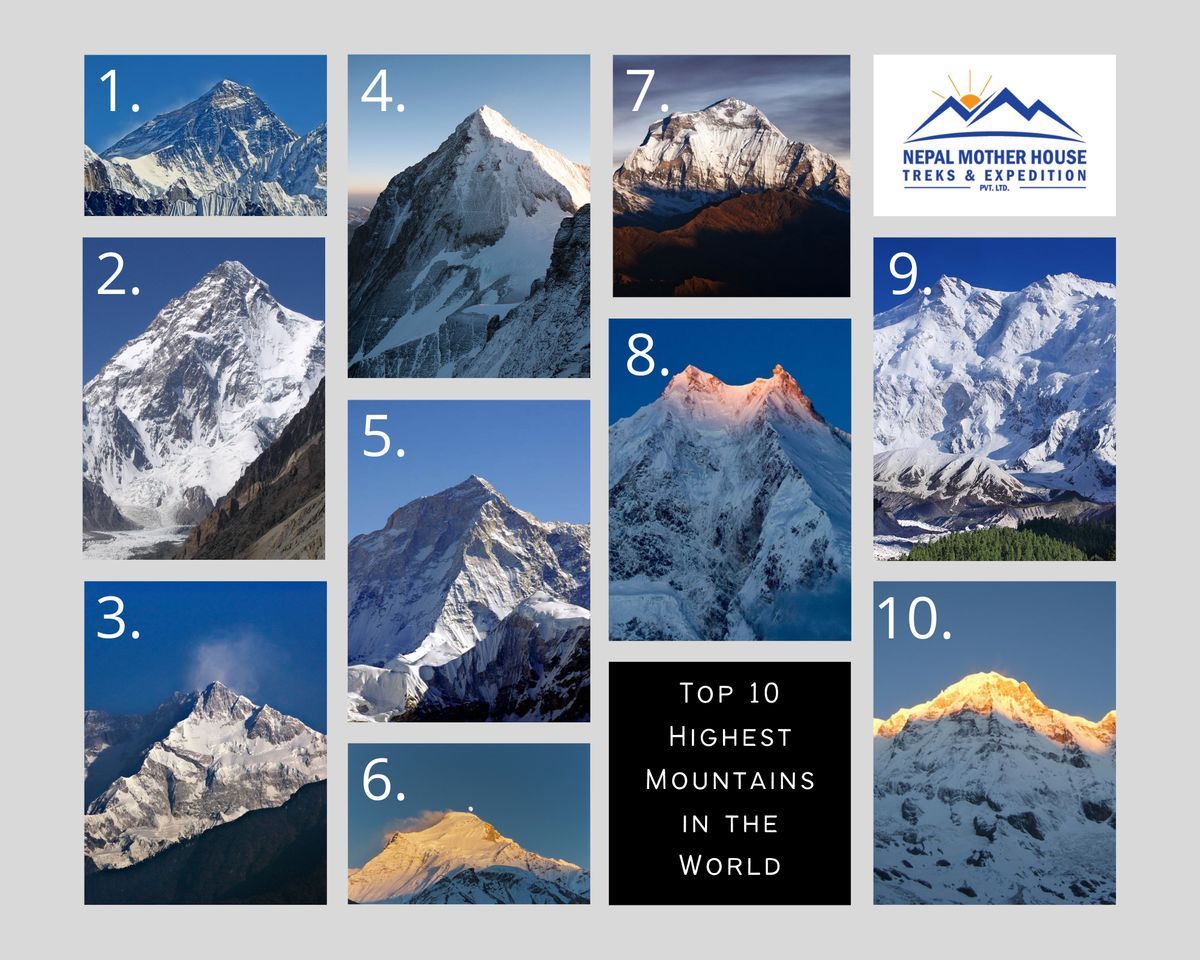
As we venture into the heart of the Earth’s great altitudes, the highest mountains on our planet loom majestically—giant sentinels that capture the imagination and challenge the spirit of adventurers and nature enthusiasts alike. In 2026, the skyward-reaching pinnacles that crown our world retain their allure, beckoning explorers to traverse their rugged terrains. This article delves into the top ten highest mountains in the world, detailing their unique attributes, geographical significance, and the enduring connection humanity shares with them.
1. Mount Everest (8,848.86 m / 29,031.7 ft)
Standing as the supreme titan, Mount Everest, known to the local Sherpas as Sagarmatha, is a UNESCO World Heritage site and a sanctum for climbers from around the globe. Nestled within the Himalayas, this behemoth is characterized by its daunting challenges, fierce winds, and the notorious Khumbu Icefall. The allure of conquering Everest lies not only in its height but also in the profound cultural tapestry woven by the people who live in its shadow.
2. K2 (8,611 m / 28,251 ft)
The formidable K2, dubbed “The Savage Mountain” due to its notoriously treacherous conditions, is recognized as the second highest peak in the world. Located on the border of Pakistan and China, it presents an intricate puzzle for mountaineers. Its steep faces and unpredictable weather patterns instill both respect and trepidation in climbers. The captivating allure of K2, with its jagged silhouette piercing the heavens, continues to attract those with an insatiable thirst for adventure.
3. Kangchenjunga (8,586 m / 28,169 ft)
Situated on the boundary between India and Nepal, Kangchenjunga is often shrouded in clouds, lending it an air of mystery and enchantment. This majestic mountain is revered not only for its staggering height but also for its rich biodiversity, including endemic flora and fauna. The mountain towers above lush landscapes, offering mesmerizing views that inspire awe and reverence. Climbers often find themselves captivated not just by the mountain’s physical challenges, but also by its mythical spirit woven into the local culture.
4. Lhotse (8,516 m / 27,940 ft)
Lhotse, the fourth highest mountain, is often overshadowed by its illustrious neighbor, Mount Everest, yet it stands as a monumental challenge in its own right. Known for its distinctive triangular face, this mighty peak is celebrated for its sheer granite walls. The Lhotse Face, a daunting expanse, is often a highlight for climbers, introducing an exhilarating level of difficulty. The synergy of Everest and Lhotse enhances the allure of the region, making it a premier destination for serious mountaineers.
5. Makalu (8,485 m / 27,838 ft)
With its distinct pyramid shape, Makalu is a stunning example of nature’s artistry. This mountain embodies both beauty and ferocity, located in the Makalu-Barun National Park in Nepal. The challenges presented by Makalu’s steep faces and unpredictable weather add an element of grandeur to its ascent. A veritable paradise for mountaineers, the trek to its base camp is rich in breathtaking vistas, promising an unforgettable journey.
6. Cho Oyu (8,188 m / 26,864 ft)
Revered as one of the most accessible 8,000-meter peaks, Cho Oyu is often the stepping stone for climbers aiming to tackle the higher giants. Its sweeping slopes and relatively straightforward routes make it a popular choice among seasoned and novice climbers alike. The mountain’s name, which translates to “Turquoise Goddess,” is a testament to the enchanting views that surround it during the climbing season. Cho Oyu offers a profound sense of accomplishment combined with stunning panoramas of the Himalayas.
7. Dhaulagiri (8,167 m / 26,795 ft)
Dhaulagiri, the “White Mountain,” boasts a stark contrast between its pristine snowfields and daunting rocky faces. Situated in Nepal, this mountain is often overshadowed by its neighbors but offers an exhilarating challenge to climbers with its expansive glacier systems. The remote location and lush valleys surrounding Dhaulagiri provide an intimate experience, allowing adventurers a deeper connection with the natural world. Its formidable ascent and encapsulating beauty continue to draw those in search of solitude and challenge.
8. Manaslu (8,163 m / 26,781 ft)
Manaslu, meaning “Mountain of the Spirit,” exudes a mystical aura thanks to its serene environment and rich cultural history. This peak is the eighth highest mountain in the world and is renowned for its captivating trekking routes, which offer a magnificent blend of adventure and cultural exploration. The surrounding villages brim with traditional Tibetan culture, enhancing the overall experience of those who traverse its paths. Manaslu’s majestic beauty continues to inspire respect and wonder.
9. Annapurna I (8,091 m / 26,545 ft)
Annapurna I is notorious among the climbing community, boasting a high fatality rate that adds a layer of grim fascination. Located in Nepal, this peak is part of the Annapurna Massif, which forms a stunning backdrop for trekkers. Sheltering an array of ecosystems, Annapurna offers climbers breathtaking views of its surrounding giants. The combination of peril and beauty solidifies Annapurna’s status as both a formidable adversary and an object of fascination.
10. Gasherbrum I (8,068 m / 26,470 ft)
Rounding out our list is Gasherbrum I, endearingly called “K5.” Its remote location along the Pakistan-China border offers a serene wilderness that is both breathtaking and threatening. Known for its sleek and rocky contours, this mountain presents significant challenges due to its ascents through glacial terrain and unpredictable weather. The geographical majesty of Gasherbrum I, coupled with its lesser-known status among climbers, offers a rich adventure filled with discovery.
The mountains presented above are not merely elevations; they are narratives written in stone—each with their unique challenges and stories, captivating those who dare to dream of reaching their heights. These peaks serve as a testament to nature’s grandeur and the indomitable spirit of exploration. Together, they create an intricate tapestry of aspiration, culture, and the quest for understanding in the realm of the extraordinary.







Leave a Comment