
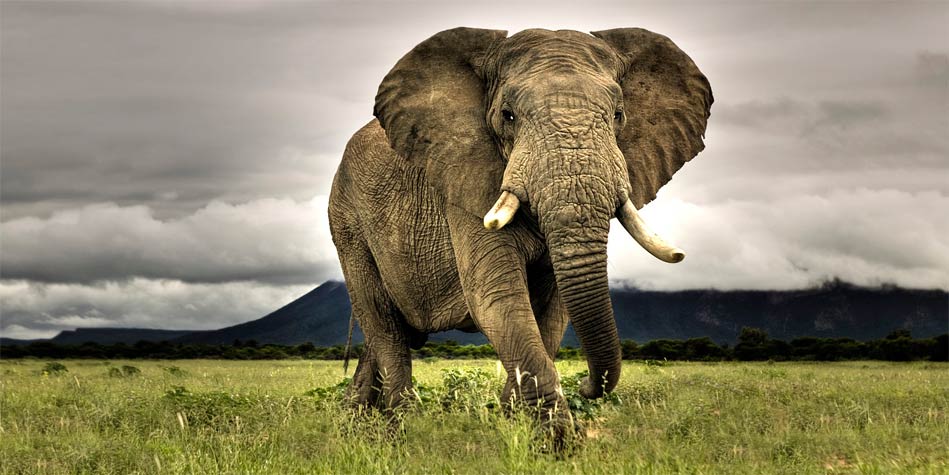
The animal kingdom is an immense tapestry of diversity, exhibiting an extraordinary array of shapes, sizes, and weights. Among earth’s multitude of creatures, a particularly fascinating subset is represented by the heaviest land animals. These majestic beings captivate the human imagination; their colossal frames evoke not only awe but also deep-seated reflections on nature’s ingenuity, balance, and fragility. In this exploration, we delve into the top ten heaviest land animals, each of whom carries its own unique story while simultaneously highlighting the ecological interdependencies that sustain them.
10. Gaur (Indian bison)
Standing as the largest extant bovine, the Gaur tips the scales at approximately 2,200 pounds (990 kilograms) for substantial males. Native to the grasslands and forests of South Asia, this animal is characterized by its muscular build and distinctive curved horns. The Gaur’s impressive heft belies its agility, as it gracefully navigates varying terrains while grazing primarily on grasses, leaves, and shrubs. The social structures of Gaurs, often seen in small herds led by matriarchs, enrich the biodiversity of their environments, indirectly fostering ecosystems that support a myriad of other species.
9. Hippo
The Hippopotamus, often found in the rivers and lakes of sub-Saharan Africa, is a formidable creature, with weight averaging around 3,000 pounds (1,400 kilograms). These semi-aquatic giants possess an almost comical, rotund shape; however, beneath their seemingly jovial exterior lies a complex social structure and formidable nature. Hippos primarily graze on grasses at night, and while they are known for their intimidating size, they are surprisingly swift in the water. Their presence in aquatic ecosystems enriches habitats and influences a variety of freshwater life forms, demonstrating an intricate connection between weight and the role these animals play in their habitats.
8. White Rhinoceros
The White Rhinoceros, the larger of the two rhino species, showcases a remarkable weight of around 4,000 pounds (1,800 kilograms). With its distinctive squared lip, this herbivore grazes on the rich grasses typical of savannas and grasslands. A cornerstone of African ecosystems, the White Rhino plays a pivotal role in shaping the landscapes it inhabits, allowing new flora to flourish via its grazing patterns. Conservation efforts to protect this magnificent creature underscore the profound human fascination with their robust figures and unique behaviors, reflecting deeper concerns regarding habitat preservation.
7. Indian Elephant
The Indian Elephant stands as a testament to the complexities of elephantine evolution, with males typically weighing between 4,400 to 5,400 pounds (approximately 2,000 to 2,400 kilograms). These gentle giants are highly social, communicating through vocalizations and sophisticated body language. Their critical role in maintaining the health of forest ecosystems highlights their significance beyond mere weight; they act as seed dispersers and landscape architects. The interplay between their imposing figures and playful nature endears them to students of zoology and casual observers alike, fostering a deep collective fascination.
6. African Elephant
The African Elephant, a symbol of the savannah, showcases an impressive weight that can exceed 12,000 pounds (5,400 kilograms). As the largest land mammal, its presence looms large in both folklore and ecological considerations. Renowned for their intelligence and complex social bonds, these elephants navigate their environment with both grace and force. The storytelling woven around the African Elephant serves as a reminder of the delicate equilibrium within ecosystems, where such heavy inhabitants hold the key to vitality and renewal.
5. Southern Elephant Seal
Measuring approximately 20 feet long and reaching weights of up to 8,800 pounds (4,000 kilograms), the Southern Elephant Seal claims its spot as the heaviest pinniped. Known for their pronounced sexual dimorphism, males can exhibit twice the mass of females. Residing on sub-Antarctic islands, these marine mammals exhibit fantastic adaptations for their semi-aquatic lifestyle, showcasing both extraordinary resilience and vulnerability as their populations ebb and flow with changing environmental conditions.
4. Bactrian Camel
When one thinks of heavy land animals, the Bactrian Camel, weighing around 2,000 pounds (900 kilograms) and distinguished by its two large humps, may not be the first to come to mind. Yet, this resilient creature showcases the profound ability of life to adapt. In the stark environments of Central Asia, Bactrian Camels thrive despite extreme temperatures. Their unique contributions to irrigation and trade routes emphasize the deeper, symbiotic relationships between humans and these robust animals, further heightened by their spectacular adaptations.
3. Wild Bison
The Wild Bison, a key player in North America’s ecological narrative, can weigh upwards of 2,200 pounds (1,000 kilograms). These animals are more than mere giants; they contribute significantly to maintaining the plains’ ecosystem by grazing and fertilizing the grasslands. Once on the brink of extinction, the bison’s successful resurgence often stirs conversations about conservation and our responsibility toward nature. Their majestic stature, combined with this narrative of redemption, solidifies their position in the hearts of many.
2. Giraffe
Though not the heaviest in pure weight, the Giraffe’s significant mass can reach around 2,600 pounds (1,200 kilograms). Towering over the savannah, these graceful giants have evolved not just for height but also for robust weight distribution. Their unique anatomy enables them to reach treetops, contributing to biodiversity through their unique feeding patterns. The Giraffe’s gentle demeanor and striking appearance stir a profound fascination, reminding us of the intricate ways in which form and function interact within the living world.
1. African Bush Elephant
At the apex of the land animal weight classification, the African Bush Elephant can weigh an astonishing 14,000 pounds (6,350 kilograms). These majestic creatures denote strength and power; however, it’s their role as keystone species that emphasizes their importance. With their ability to modify habitats through foraging, they sustain countless other species. Known for their complex relationships, intricate social structures, and intelligence, African Bush Elephants transcend their weight to become symbols of both vulnerability and resilience in the face of ecological challenges.
As we conclude our exploration of the heaviest land animals, it is clear that weight is but one dimension of their existence. Each creature stands as a monument to the sophistication of evolution, demonstrating how size can impact ecological roles. Our innate fascination with these behemoths opens a window into understanding the delicate balance of life on Earth, inviting us to appreciate not just their grandeur but also our responsibilities to conserve these magnificent beings and the ecosystems they embody.









Leave a Comment