
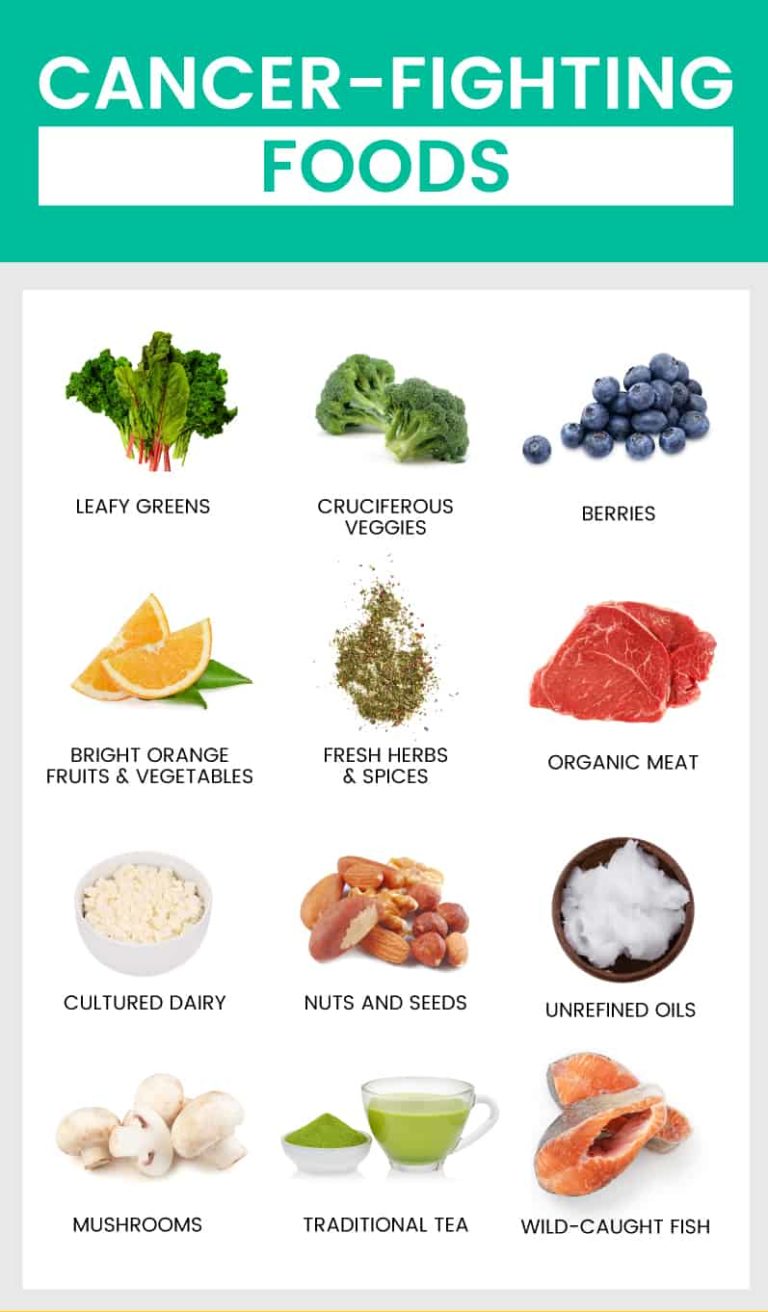
As the quest for a healthy lifestyle intensifies, discussions around diet and its implications become increasingly pertinent. Scientific research has illuminated various relationships between our dietary choices and health outcomes. Among these, the potential correlation between certain foods and an elevated risk of cancer has become an area of significant interest and concern. While it’s imperative to recognize that no single food can single-handedly cause cancer, certain dietary patterns can contribute to heightened risk. Below is a detailed exploration of the top 10 foods that might increase cancer risk, encouraging a nuanced understanding of what we consume.
1. Processed Meats
Processed meats, including bacon, sausages, and deli meats, are often packed with preservatives like nitrates and nitrites. These substances can transform into harmful compounds called N-nitroso compounds during digestion. Epidemiological studies have consistently shown a connection between processed meat consumption and colorectal cancer. Beyond this, the charred exterior of grilled meats can also harbor polycyclic aromatic hydrocarbons (PAHs), further compounding the potential risks.
2. Red Meat
While red meat is a significant source of essential nutrients such as iron and protein, its consumption, especially in excess, warrants scrutiny. The World Health Organization has classified red meat as probably carcinogenic, particularly in relation to colorectal and pancreatic cancers. The exact mechanisms remain complex, but factors like heme iron and certain cooking methods possibly play a role in this intriguing relationship.
3. Sugary Beverages
Sugary drinks, encompassing soda, sweetened teas, and energy drinks, contribute not only to obesity but also to metabolic disturbances. The surge in insulin levels triggered by high sugar intake can potentially pave the way for various malignancies, including breast and pancreatic cancer. Moreover, the empty calories provided by these beverages may detract from the consumption of more nutritious options, compounding health risks.
4. Refined Carbohydrates
Refined carbohydrates, such as white bread, pastries, and many cereals, have undergone processing that strips away their natural nutrients and fiber. This lack of fiber can lead to rapid spikes in blood sugar levels, creating an environment conducive to cancer cell growth. Additionally, various studies have indicated that diets high in refined carbohydrates may correlate with increased risks of breast, colorectal, and endometrial cancers.
5. Alcohol
The relationship between alcohol consumption and cancer risk is well-documented. Ethanol in alcoholic beverages may lead to carcinogenesis through several pathways, including the generation of acetaldehyde, a toxic byproduct. The risk amplifies with the quantity consumed; even moderate drinking has been linked to an increased likelihood of breast, liver, and esophageal cancers. Understanding personal limits and drinking in moderation becomes critically important.
6. Fried Foods
The enticing crunch of fried foods often belies their potential hazards. When foods are cooked in high-temperature oil, acrylamide, a chemical compound often associated with cancer risk, can form. Common culprits include French fries, potato chips, and battered delicacies. Moreover, regular consumption of these calorie-dense foods may lead to obesity, a significant risk factor for several cancers.
7. Salt-Preserved Foods
Although salt is a staple in many cuisines, excessive consumption, particularly from preserved foods such as pickles and salted fish, may pose risks. High sodium levels can cause damage to the stomach lining and create an environment ripe for cancerous growth. Additionally, the presence of certain preservatives in these foods can contribute to further complications. Therefore, moderation is key.
8. Glyphosate-Treated Foods
Glyphosate, a herbicide commonly used in agriculture, has raised alarms over its potential carcinogenic properties. Foods such as conventionally grown grains might contain residues, leading to concerns about long-term exposure. While debates about glyphosate’s safety continue, opting for organic produce can mitigate potential risks, providing peace of mind regarding food choices.
9. Artificial Sweeteners
The allure of sugar-free products has popularized artificial sweeteners like aspartame and sucralose, yet these compounds invite scrutiny. Some studies have suggested a potential link between these sweeteners and cancer risk, although results remain contentious. It may be prudent to consume these additives sparingly, favoring natural alternatives when feasible.
10. Highly Processed Snack Foods
Finally, the ubiquitous presence of highly processed snacks—think chips, cookies, and sugary cereals—can lead to nutritional deficits while simultaneously increasing cancer risk. Often high in unhealthy fats, sugars, and preservatives, these foods can contribute to obesity and other health issues associated with various forms of cancer. A shift towards whole, minimally processed foods can foster better health outcomes in the long run.
In conclusion, understanding the intricate tapestry of our food choices and their implications can empower individuals to make informed decisions. While the foods highlighted here may pose risks, it is essential to approach this information with a balanced perspective. Moderation, combined with a focus on whole, nutrient-rich foods, can significantly mitigate potential cancer risks while promoting overall health. The road to a healthier lifestyle is paved not just by what we omit, but by the nourishing choices we embrace with every meal.






Leave a Comment