
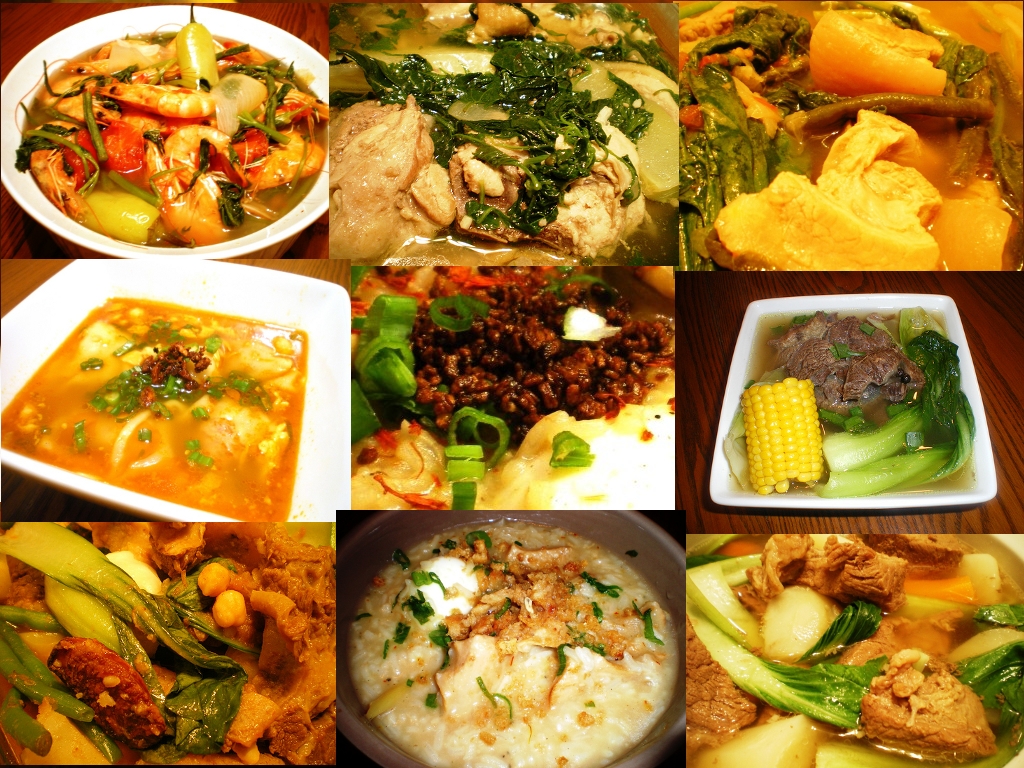
When it comes to culinary adventures, few places capture the palette quite like the Philippines. The archipelago boasts a staggering variety of flavors, textures, and preparation techniques, largely influenced by a rich tapestry of cultures and traditions. From the salty kiss of the sea to the aromatic embrace of herbs and spices, Filipino cuisine promises a delightful awakening of the senses. Here’s a detailed exploration of the top ten Filipino dishes everyone loves, each showcasing the nation’s gastronomic identity and inviting you to expand your culinary horizons.
1. Adobo
Often lauded as the unofficial national dish of the Philippines, Adobo transcends regional boundaries with its simple yet profound taste. This dish consists of meat—be it chicken, pork, or even seafood—marinated in a medley of soy sauce, vinegar, garlic, and bay leaves. The result? A tantalizing balance of savory, tangy, and aromatic flavors simmered to perfection. Each family often has its own secret twist, which allows Adobo to adapt and evolve, drawing culinary enthusiasts into heated discussions over whose recipe reigns supreme.
2. Sinigang
If comfort in a bowl had a taste, it would undoubtedly be Sinigang. This hearty sour soup, often made with pork, shrimp, or fish, is characterized by its use of tamarind, which lends an unmistakable tang. Enhanced with a medley of vegetables like radish, eggplant, and water spinach, each spoonful is a delicious embrace of warmth and comfort. The beauty of Sinigang lies in its versatility, as each region boasts its own take, showcasing the ingenious use of local souring agents, from calamansi to green mangoes.
3. Lechon
At any festive gathering, Lechon reigns supreme as the pièce de résistance. This whole roasted pig, with its crackling skin and sumptuous meat, symbolizes celebration and revelry. The distinct flavor comes from a careful stuffing of herbs and spices, along with a slow rotisserie cooking method that ensures succulent tenderness. A feast with Lechon is more than just a meal; it’s a communal experience, reuniting families and friends in joyful indulgence and competition over the perfect slice.
4. Kare-Kare
Rich and sumptuous, Kare-Kare invites you to experience the unique flavors of peanut sauce in a regional delicacy that often features oxtail, tripe, and various vegetables. Traditionally paired with bagoong, a fermented shrimp paste, this dish brings a harmonious blend of salty and sweet. The experience of savoring Kare-Kare is akin to a culinary dance, where each bite encourages exploration and invites a deeper appreciation of indigenous ingredients.
5. Pancit
The myriad forms of Pancit—a term that broadly refers to noodle dishes—are staples at birthdays and special occasions symbolizing long life and prosperity. Each region boasts its own distinct variations, from the hearty Pancit Canton, brimming with vegetables and meats, to the delicate Pancit Malabon, known for its shrimp sauce. The humble noodle transcends mere sustenance, transforming into an embodiment of cultural significance and the artistry of tradition.
6. Halo-Halo
When the sun blazes in the tropical skies, no dessert is more refreshing than Halo-Halo. This intriguing concoction is a veritable symphony of flavors and textures, combining shaved ice with sweetened fruits, jellies, beans, and creamy leche flan, all crowned with a scoop of ube ice cream. Each spoonful unveils a delightful discovery, and the vibrant colors tantalize not only the taste buds but also the eyes. Importantly, Halo-Halo embodies the spirit of Filipino ingenuity, as each vendor crafts their own version, inviting competition and creativity.
7. Lumpia
Delicate, savory, and utterly irresistible, Lumpia can be likened to the Filipino emblem of culinary elegance. These spring rolls, filled with a mixture of meats and vegetables, exemplify the balance of crunchy texture and rich flavor, whether served fresh or fried. Their popularity at parties and gatherings reflects their role as a beloved finger food, engendering not just culinary enjoyment but also a sense of community as they are shared among friends and family.
8. Tinola
Reviving the spirit, Tinola is a warming chicken soup featuring ginger, green papaya, and chili leaves, providing a gentle yet invigorating flavor profile. The fragrant broth evokes memories of family kitchens and comforting hearths, making it a staple especially during colder months. Each sip of Tinola is a reminder of home, encapsulating the nurturing essence of Filipino cuisine, where food is an expression of love and care.
9. Bicol Express
For those who crave a spicy kick, Bicol Express delivers a fiery explosion of flavors. This dish features pork cooked in coconut milk and laden with chili peppers, resulting in a rich and creamy sauce that electrifies the senses. Hailing from the Bicol region, known for its love of spicy food, this dish encapsulates the adventurous spirit of Filipino palates, inviting enthusiasts to embrace the heat and savor the adventure.
10. Bibingka
As the air fills with the aroma of freshly baked goods, Bibingka takes the spotlight as a traditional rice cake that resonates with Filipino holiday festivities. Often enjoyed during Christmas, this delicacy is made with rice flour, coconut milk, and sugar, and is typically topped with salted eggs and grated coconut. Each bite is a nostalgic reminder of gatherings and celebration, reaffirming the notion that food is indeed an integral part of cultural identity.
In summary, Filipino cuisine offers a tantalizing mosaic of flavors, each dish serving as a story told through taste and texture. From the comforting embrace of soup and stews to the vibrant desserts and nourishing rice dishes, Filipino food is a declaration of rich heritage and communal joy. By delving into these top ten beloved dishes, you may find your culinary repertoire enriched and your perspective wonderfully expanded. By embracing the delectable offerings of Filipino culinary traditions, there exists an entire world of flavors waiting to inspire and excite your taste buds.




Leave a Comment