
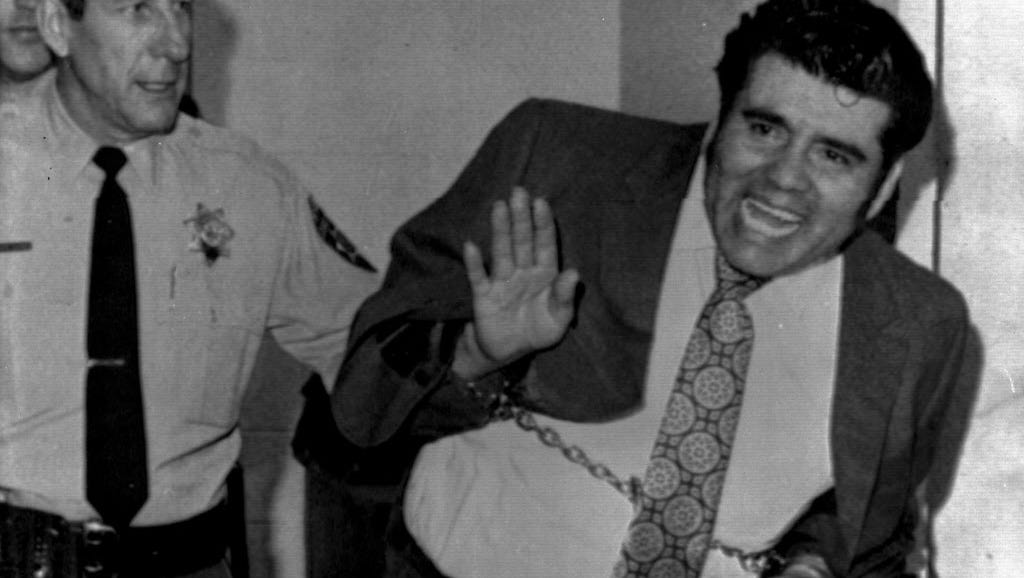
Throughout history, the human psyche has revealed a dark and chilling aspect that captivates and horrifies simultaneously: the phenomenon of the serial killer. What compels an individual to repeatedly commit heinous acts of violence? The answer may remain elusive, but the stories of these criminals are etched into the annals of infamy. Buckle up as we explore the fascinating yet terrifying lives of the top ten most infamous serial killers in history. Are you brave enough to dive into this treacherous terrain?
1. Ted Bundy
Perhaps one of the most recognizable names in the realm of serial killers, Ted Bundy was notorious for his charming demeanor and unsettling charisma. Operating primarily in the 1970s, he was suspected of murdering over 30 young women across several states, often luring them with his good looks and a ruse involving his alleged injuries. Bundy’s eventual capture and trial captivated the public imagination, making him a symbol of the “good-looking monster.” The chilling question remains: how could someone so seemingly normal commit such atrocities?
2. Jeffrey Dahmer
Known as the “Milwaukee Cannibal,” Jeffrey Dahmer’s gruesome acts are both macabre and fascinating. His criminal endeavors commenced in the late 1970s and persisted until his arrest in 1991. Dahmer’s method involved not only murder but also dismemberment and necrophilia, with a shocking endgame of cannibalism. His troubled childhood and the complex mosaic of his mental health have fueled countless discussions about nature versus nurture. What does it mean for society when the predator is often the boy next door?
3. John Wayne Gacy
Another figure cloaked in the duality of normalcy and horror, John Wayne Gacy was a well-regarded member of his community, known for his work as a clown at children’s parties. Gacy exploited his public persona, luring young men to his home under false pretenses. Between 1972 and 1978, he claimed the lives of at least 33 young males. The juxtaposition of his community involvement and the horrific acts he committed raises a perplexing question: can the facade of normalcy mask profound evil?
4. Aileen Wuornos
Aileen Wuornos presented a stark contrast to her male counterparts, being one of the few female serial killers whose story has gained significant notoriety. A victim of abuse herself, Wuornos turned to a life of prostitution, during which she committed a series of murders in Florida between 1989 and 1990. Her case challenges societal perceptions of women in criminology and carves a niche into understanding the psychological implications of trauma. What does her narrative reveal about society’s complicity in female violence?
5. Gary Ridgway
Dubbed the “Green River Killer,” Gary Ridgway methodically murdered at least 49 women, mostly sex workers, in Washington State during the 1980s and 1990s. His case stands out for its unsettling mix of psychological manipulation and opportunistic predation. Ridgway confessed to targeting vulnerable victims and often revisited his crime scenes, posing questions about the morality of victim profiling and societal responsibility. What drives a person to senselessly murder without apparent remorse?
6. Ed Gein
Ed Gein’s chilling story is a blend of horror and family dysfunction. Though he infamously claimed only two confirmed murders, the real horror lay in his activities post-mortem. This grave robber created trophies from the remains of his victims, affecting pop culture profoundly—serving as an inspiration for movies like “Psycho” and “The Texas Chainsaw Massacre.” Gein embodies the concept of the monstrous in ordinary life. What does his life signify about the boundary between sanity and insanity?
7. Richard Ramirez
Known as the “Night Stalker,” Richard Ramirez terrorized California in the mid-1980s, his rampage characterized by home invasions, sexual assault, and murder. His trials became a media spectacle, garnering nationwide attention as the public grappled with terror in their own homes. Ramirez’s Satanic rituals and apparent lack of remorse added a layer of complexity to his psyche, urging one to ponder: what drives an individual towards such malevolence?
8. Harold Shipman
Operating in the shadows of the UK’s trusted medical community, Dr. Harold Shipman is among the most prolific serial killers in recorded history, with estimates of his victims ranging from 250 to potentially over 400. This trusted physician exploited his position to murder his elderly patients through lethal doses of painkillers. His case poses a dire question about the trust we place in healthcare professionals: how do we protect ourselves from those sworn to heal?
9. Albert Fish
The “Gray Man,” Albert Fish preyed upon children in the 1920s, luring them with promises of candy and gifts before committing unthinkable acts. His macabre confessions included cannibalism and sadism, immersing him into the annals of horrendous criminality. Fish’s complex psychological profile compels us to ask: how does society confront the reality that some individuals become wholly detached from empathy?
10. Andrei Chikatilo
The “Butcher of Rostov,” Andrei Chikatilo, carried out a series of horrendous murders in the Soviet Union from the late 1970s to the mid-1990s, claiming over 50 lives. His heinous acts and the ensuing police ineptitude highlight the intersection of societal denial and brutal reality, ultimately leading to Chikatilo’s capture. His case encourages reflection on the broader implications of systemic failure in addressing such critical threats. What can we learn from the failures of the past to prevent future tragedies?
In conclusion, the stories of these notorious individuals intertwine horror with a puzzling exploration of human behavior. Their lives force us to confront uncomfortable truths about violence, society, and the human condition. Indeed, delving into the dark corridors of the human mind reveals more than just monsters; it invites us to reflect on how such tragedies can arise in a world that often cherishes normalcy. Would you dare to examine the darkness entwined with humanity, or will you turn away from the unsettling truths it reveals?







Leave a Comment