
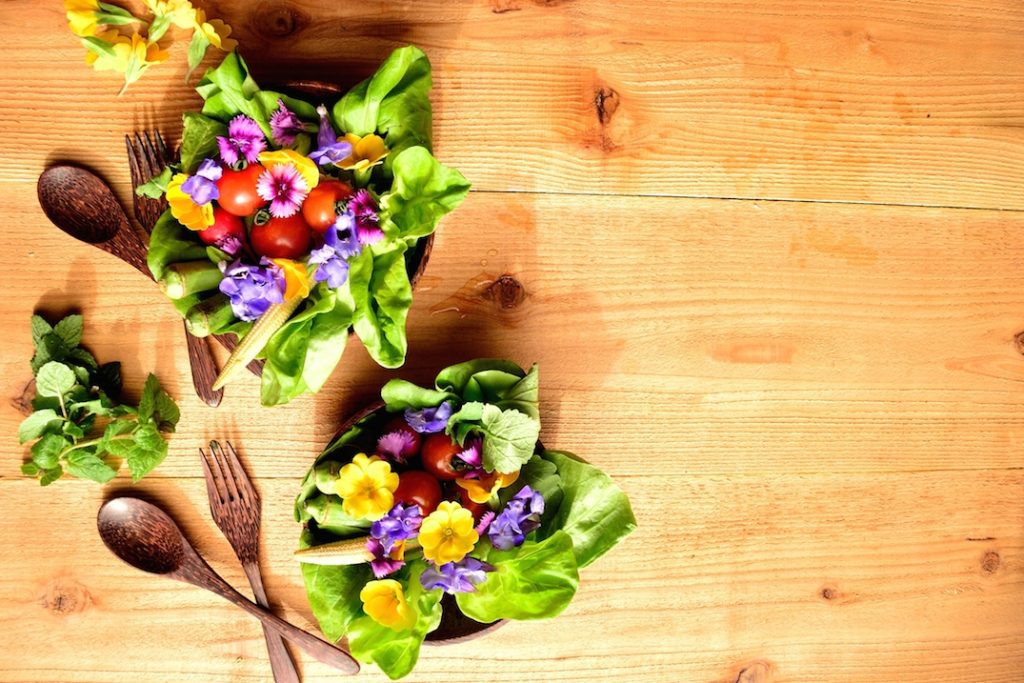
Imagine strolling through a sun-kissed garden, the vibrant hues of flowers beckoning you closer. The notion that some of these blossoms are not merely ornamental, but edible, can radically shift your culinary perspective. Edible flowers, often overlooked, can infuse your dishes with a touch of elegance and elevate flavors to new heights. Curious to learn more? Let’s embark on a journey through the top ten edible flowers that not only tantalize the senses but also enrich our plates.
1. Nasturtium
Nasturtiums are often heralded as the epitome of garden edibles. With their round, peppery leaves and vivid red, orange, or yellow blossoms, they offer a delightful crunch and a spicy kick. These flowers can be tossed into salads, used as a vibrant garnish for soups, or even stuffed with savory fillings. Beyond their culinary allure, they are also known to attract pollinators, making them a dual-purpose addition to any garden.
2. Calendula (Pot Marigold)
Renowned for its bright yellow and orange petals, calendula doesn’t just charm the eyes; it also delights the palate. The petals have a slightly peppery flavor, reminiscent of saffron, and can add a pop of color and flavor to salads, rice dishes, or herbal teas. Often employed in traditional medicine, calendula also boasts anti-inflammatory properties, granting it a place not only in the kitchen but also in the apothecary.
3. Lavender
Lavender’s soothing fragrance is unmistakable, and its culinary potential is equally impressive. The delicate purple flowers can be infused into syrups, cakes, or even savory dishes, imparting a floral sweetness that tantalizes the taste buds. Particularly popular in desserts, lavender, when used judiciously, provides a complex flavor that transforms the ordinary into the extraordinary. Consider crafting a lavender-infused lemonade for a refreshing summer treat!
4. Viola (Pansy and Johnny Jump-Up)
Violas, including pansies and Johnny Jump-Ups, are not just for decorative purposes; they bring a gentle sweetness to the culinary table. Their striking colors—from deep purples to sunny yellows—make them an eye-catching garnish for salads, pastries, or cocktails. When candied, they become a delightful topping for cakes, adding both beauty and a hint of floral flavor that enchants the senses.
5. Borage
Borage is a wondrous herb that boasts star-shaped blue flowers with a delightful cucumber-like flavor. Traditionally used in beverages and salads, these flowers are often added to cooling summer drinks, making them a refreshing addition to any table. Furthermore, borage is reputed for its medicinal qualities, often used to support respiratory health and reduce stress.
6. Chive Blossom
The light purple or pink blossoms of the chive plant are not only visually appealing but also provide a milder version of the chive’s oniony flavor. These blossoms can be sprinkled over salads, soups, or main dishes, offering a subtle onion essence without overpowering other flavors. Their vibrant color adds a beautiful touch and a gourmet flair to any savory dish.
7. Elderflower
Elderflower is a true seasonal treasure, transforming drinks and dishes with its fragrant, honey-like sweetness. Often used in syrups, cordials, or even liqueurs, elderflower blooms create a captivating beverage that transports you straight to the heart of summer. When incorporated into desserts, they lend a delicate floral note that envelops the palate, making each bite a whimsical experience.
8. Rose
The velvety petals of roses provide not only a romantic ambiance but also can be incorporated into culinary creations. Various rose varieties offer different flavors, from sweet to slightly tangy, and can be used in salads, jams, or even infused into oils. Rose petal jelly is a classic delicacy that showcases its unique essence, adding a lovely floral note to scones or toast.
9. Hibiscus
The deep crimson flowers of hibiscus are not only visually stunning but also pack a tangy punch. Popular in teas and beverages, hibiscus lends a tartness similar to cranberries. When used in culinary dishes, it can add brightness and acidity, making it an ideal component for marinades or dressings. Hibiscus is also celebrated for its health benefits, including antioxidant properties.
10. Dandelion
Often dismissed as a pesky weed, dandelions are a powerhouse of nutrients and flavor. Their sunny yellow blooms and tender greens are edible, with the flowers bearing a sweet, honey-like flavor. Dandelion flowers can be used in salads, fritters, or even made into wine. Beyond their culinary utility, dandelions boast numerous health benefits, making them a valuable addition to your diet.
As you venture into the world of edible flowers, you’ll discover a plethora of flavors, textures, and vibrant colors that can elevate your culinary creations. From the peppery zest of nasturtium to the sweet, floral notes of elderflower, each blossom brings its distinct character to the table. Embrace the unexpected and let these botanical delights inspire a new dimension of your culinary endeavors. So, the next time you spot a flower in your garden, consider not just its beauty but its potential to enhance your meals and invigorate your senses.






Leave a Comment