
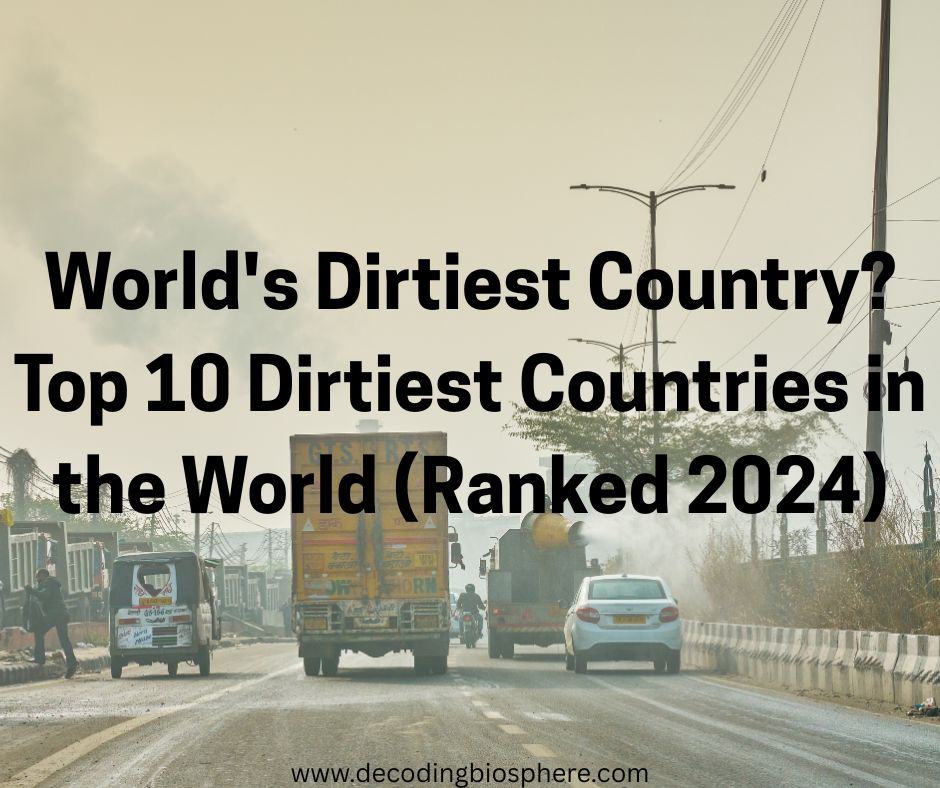
In a world where urbanization continues to burgeon at an unprecedented rate, the dichotomy between growth and sustainability becomes ever more pronounced. Amidst the concrete skyscrapers and bustling marketplaces lie challenges that plague metropolitan regions, such as pollution, poor waste management, and environmental degradation. This has culminated in a list of the top ten dirtiest cities worldwide, where cleanliness often takes a back seat to rapid industrialization and population expansion. Here, we delve into this pressing issue, examining the factors contributing to the grimy reputations of these urban centers.
1. Dhaka, Bangladesh
Dhaka, the capital city of Bangladesh, is notorious for its poor air quality and overwhelming waste management woes. With millions of people crammed into its borders, the city’s infrastructure struggles to keep pace. Regrettably, the lack of efficient garbage disposal systems leads to heaps of waste lining the streets, while industrial emissions contribute to an atrocious air pollution index. Invariably, the unrelenting congestion exacerbates the plight of pollution, casting a pall over its vibrancy.
2. New Delhi, India
The bustling metropolis of New Delhi grapples with myriad environmental challenges. Characterized by towering vehicular emissions and rampant construction dust, the air quality frequently descends into hazardous territory. Furthermore, the Yamuna River, often called the “most polluted river in the world,” boasts alarming levels of toxic waste. Ineffective public policy combined with a burgeoning population has rendered the city one of the dirtiest in the globe.
3. Linfen, China
Nestled in the heart of Shanxi province, Linfen’s place on this infamous list is largely attributed to its coal-driven economy. The city is engulfed in a thick blanket of smog, with particulate matter density often exceeding permissible limits. Additionally, inadequate waste disposal and industrial runoff lead to severe soil and water contamination. Residents are conditioned to wearing masks, a grim testament to the city’s persistent pollution crisis.
4. Bhopal, India
Once heralded for its picturesque surroundings, Bhopal suffers from a legacy of industrial disasters and systemic neglect. The infamous gas tragedy from the 1980s still taints the city’s reputation, while its plethora of slums magnifies the issue of waste management. The juxtaposition of historical beauty with stark poverty is summarily marred by unregulated industrial waste and decaying infrastructure, impeding efforts for revitalization.
5. Cairo, Egypt
Cairo, steeped in rich history, encounters a multitude of cleanliness issues stemming from rapid urban sprawl and inefficacious waste management structures. Open-air waste dumping is prevalent, and the Nile, while a source of life, often shows signs of severe pollution due to runoff and improper waste disposal. The combination of high population density and insufficient sanitation resources has made Cairo a prime example of urban decay.
6. Jakarta, Indonesia
The sprawling city of Jakarta showcases the enigma of modern development accompanied by environmental degradation. Lacking a comprehensive solid waste management plan, the streets are often littered with refuse, while local waterways are heavily polluted with industrial waste and plastic. Stagnant floodwaters further exacerbate this grim scenario, trapping pollutants and creating an inviting environment for waterborne diseases.
7. Mexico City, Mexico
Mexico City, one of the largest urban areas in the world, contends with a plethora of challenges, most notably air pollution. Surrounded by mountains, the city’s geographical layout complicates the dispersal of airborne contaminants, leading to a buildup of smog that cloaks the skyline. Coupled with the inefficient management of waste and sewage systems, the city’s overall cleanliness rating has suffered considerably.
8. Ulaanbaatar, Mongolia
The unforgiving winters of Ulaanbaatar expose a unique facet of urban pollution, as coal-burning stoves are relied upon for heating. This practice imparts a thick layer of particulate matter in the cold months, suffocating the skyline in a haze. Combined with a burgeoning population and infrastructure strain, Ulaanbaatar’s reputation as one of the dirtiest cities is compounded by a substandard waste management system, fuelled by poverty and inadequately enforced regulations.
9. Accra, Ghana
Accra, the capital city of Ghana, struggles with significant waste disposal challenges exacerbated by a rapidly growing population. Streets burdened with litter, combined with inadequate collection services, foster an environment where diseases can flourish. Open gutters and improperly managed landfills further degrade environmental quality, leaving the city teetering on the brink of a health crisis.
10. Port Moresby, Papua New Guinea
Port Moresby rounds out the list as a striking example of urban pollution in the Pacific. It is plagued by litter-strewn streets and poorly maintained public spaces. The absence of organized waste management systems, coupled with the city’s struggle with poverty, has cultivated a milieu of environmental decline. As infrastructure grows increasingly outdated, residents face daily battles against both pollution and neglect.
In conclusion, the dirtiest cities in the world are not merely a reflection of aesthetic decline; they represent a critical intersection of environmental sustainability and public health. The stark realities faced by these urban centers underscore the urgent need for systemic reforms in waste management, pollution control, and infrastructural development. As cities continue to swell, the imperative remains: to find harmonious ways to coexist with our environment and to strive for cleaner, healthier urban landscapes for future generations.









Leave a Comment