
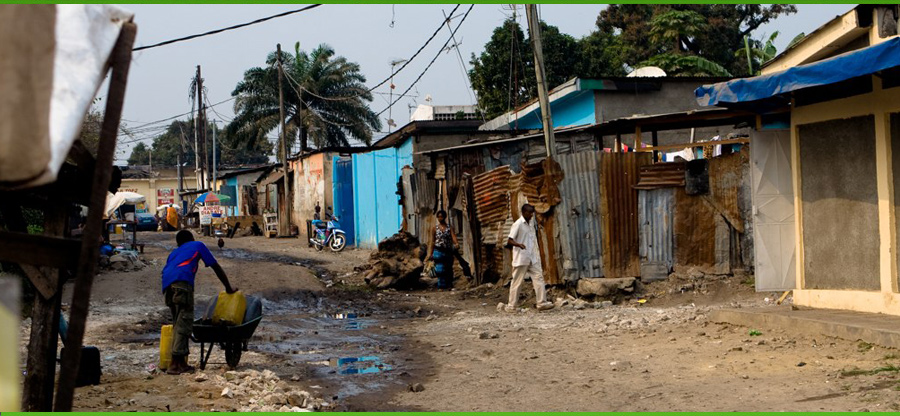
Introduction
In a world increasingly aware of environmental concerns, the juxtaposition of cleanliness and pollution presents a vivid portrait of urban reality. Cities, pulsing with life and activity, often become repositories of waste, both visible and invisible. Embarking on a journey through the ten dirtiest cities worldwide is not merely an exercise in listing; it invites a profound reflection on the complexities of urban living and the consequences of rapid industrialization. These cities, rife with pollution, noise, and dilapidation, compel us to reconsider our definitions of beauty and sustainability.
1. Dhaka, Bangladesh
Dhaka, the capital of Bangladesh, wears the crown of one of the dirtiest cities globally due to its overwhelming pollution and overcrowding. With a staggering population density, the cacophony of honking cars and bustling markets masks an undercurrent of filth. Streets overflow with waste, and the air quality plummets under the weight of industrial emissions and vehicular exhaust. In this vibrant city, where the weight of history looms large, the struggle for sanitation remains an insurmountable challenge, creating a surreal contrast between the rich culture and pervasive grime.
2. Linfen, China
Once celebrated as a hub for agriculture, Linfen in China has morphed into an emblem of environmental decay, largely due to coal mining. The sky is shrouded in a persistent gray haze, a grim testament to the extensive air pollution plaguing its inhabitants. Dust storms sweep through the city, exacerbating respiratory ailments and conjuring an image of a dystopian reality. The coal industry’s shadow engulfs this city, instilling a curious blend of resilience and despair among its residents, who grapple daily with the consequences of neglectful industrial practices.
3. Cairo, Egypt
Cairo, with its ancient pyramids and modern bustle, unfolds a tale of juxtaposition. Despite its grandeur, the city grapples with staggering pollution levels manifested through a mix of traffic congestion and inadequate waste management. The Nile, once the lifeblood of civilization, now mirrors the city’s plight, suffering from sewage discharge and litter. Yet, amid the grit and grime, the spirit of Cairo thrives, as those who inhabit this sprawling metropolis strive to forge a future from the remnants of its illustrious past.
4. Mumbai, India
Mumbai, often hailed as India’s financial capital, is a paradox wrapped in contradictions. The hustle and bustle of its streets are marred by a persistent haze of pollution and waste. Slum areas coexist with opulent skyscrapers, presenting a stark example of vast economic disparities. Monsoon rains exacerbate the situation, as stagnant water becomes a breeding ground for pests and disease. This city, teetering between affluence and adversity, invokes curiosity about how urban spaces can evolve amidst such challenges, urging observers to contemplate the dynamics of wealth and poverty.
5. Bhopal, India
Haunted by one of the world’s most catastrophic industrial accidents, Bhopal remains a cautionary tale of negligence and pollution. The legacy of the 1984 gas tragedy casts a long shadow, influencing environmental policies and public health. Contaminated water and soil remind residents of past injustices, while the city battles ongoing pollution from factories. The efforts to rehabilitate Bhopal evoke a sense of hope amidst despair, challenging the narrative of filth with acts of resilience and communal responsibility.
6. Jakarta, Indonesia
Jakarta offers a breathtaking yet tumultuous glimpse into urban life, grappling with significant pollution and waste management challenges. Rapid urbanization has led to clogged waterways, where plastic waste floats like confetti on a distressing backdrop. The city’s subpar infrastructure struggles to support its burgeoning population, leading to persistent flooding during monsoons. While Jakarta embodies the essence of Southeast Asian dynamism, it simultaneously illustrates the fragility of ecological balance, intertwining beauty with decay in a poignant tapestry.
7. Nairobi, Kenya
Nairobi, often termed the “Green City in the Sun,” harbors a darker narrative intertwined with waste disposal crises. Informal dumpsites and litter-ridden streets contrast sharply with its reputation as a thriving urban center. The mangled landscape is further complicated by air pollution from vehicles and industries. Despite its struggles, Nairobi pulsates with life, and its people exhibit a remarkable tenacity, revealing a city that strives to reclaim its ecological integrity in the face of adversity.
8. Kano, Nigeria
Kano presents a microcosm of Nigeria’s urban challenges, burdened by an alarming level of pollution and waste management failures. The city’s historical significance is overshadowed by relentless environmental degradation, where garbage-laden streets tell tales of neglect. Airborne toxins from unregulated industries worsen living conditions, planting seeds of health crises among the populace. Even amid such disarray, the resilience of Kano’s inhabitants shines through, reflecting an enduring hope for a cleaner, more sustainable future.
9. Mexico City, Mexico
Mexico City, one of the largest cities globally, grapples with severe air pollution stemming from vehicle emissions and industrial activities. The unique geographical features create a bowl-like effect, trapping pollutants and resulting in persistent smog. Despite the government’s efforts to mitigate these issues through various initiatives, the struggle against pollution remains daunting. As the city balances its rich cultural heritage and modern demands, the dichotomy between legacy and legacy leaves a lingering curiosity about urban management and innovation in the face of ecological challenges.
10. Port-au-Prince, Haiti
Port-au-Prince embodies the struggles of a nation recovering from natural disasters and economic hardship. Streets are littered with refuse, and inadequate sanitation systems exacerbate public health crises. The vibrant spirit of its people contrasts sharply with the environmental despair, showcasing an intrinsic strength and determination to rise above adversity. This city, drenched in history and resilience, compels onlookers to ponder how communities can transition from struggle to sustainability.
Conclusion
The exploration of the world’s dirtiest cities unveils not only the pressing environmental issues plaguing urban landscapes but also highlights the resilience and vitality of their inhabitants. Though the filth might be unmistakable, the underlying narratives of survival, adaptation, and hope shift our perspective, inviting us to consider the complexities of urban living. With a growing awareness of ecological stewardship, it becomes imperative to foster solutions that navigate the delicate balance between progress and preservation. Indeed, the dirtiest cities offer profound lessons in resilience, innovation, and the essence of what it means to inhabit these multifaceted environments.







Leave a Comment