
Throughout the annals of human history, wars have raged like fierce tempests, leaving in their wake whispers of sorrow and echoes of valor. These cataclysmic clashes constitute a somber tapestry woven from threads of ambition, territorial pursuit, and ideological strife. This article explores the ten deadliest wars—those vast theatres of conflict that redefined nations and reshaped the destinies of humankind. Each war unfolds as a unique tragedy, revealing the depths of human folly and resilience.
1. World War II (1939-1945)
World War II stands as the unparalleled colossus of human conflict, with an estimated death toll ranging from 70 to 85 million souls. It was a global inferno fanned by totalitarian regimes and racial ideologies. Not merely a battle of wills but a chaotic symphony of aerial bombardments, ground assaults, and trench warfare, this war saw the rise of mechanized violence. The Holocaust, a harrowing testament to humanity’s capacity for cruelty, colored this war in shades of despair painting a generation’s memory with loss.
2. Taiping Rebellion (1850-1864)
In the tapestry of Chinese history, the Taiping Rebellion emerges as a ferocious storm, claiming between 20 to 30 million lives. This civil war, steeped in religious fervor and social discontent, pitted the Qing dynasty against the Taiping Heavenly Kingdom. Through a brutal tapestry of conflict, it exposed the intrinsic flaws of imperial rule while revealing the relentless spirit of a population yearning for radical transformation. The land became drenched in the blood of the hopeful and the hopeless alike, forever altering the fabric of Chinese society.
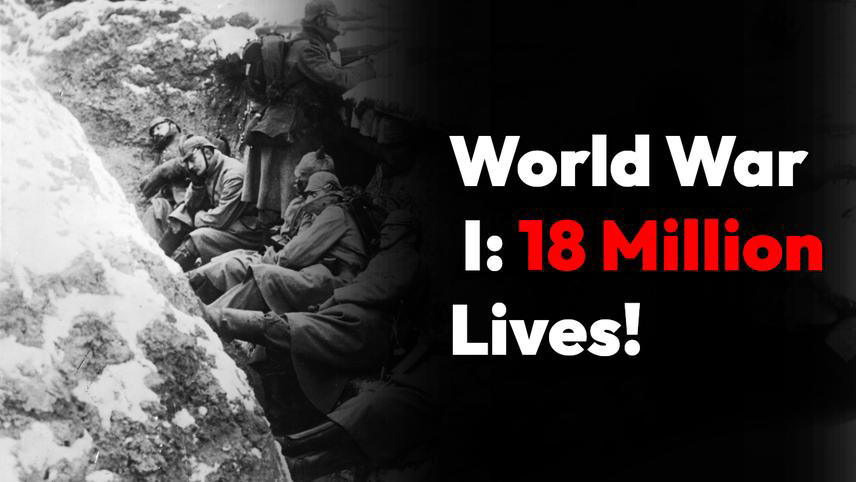
3. World War I (1914-1918)
Reverberating through the early 20th century, World War I was a cataclysm wherein around 15 to 20 million were ensnared in the clutches of death. Often depicted as the “war to end all wars,” it reshaped borders, ideologies, and alliances. The stalemate on the Western Front became synonymous with the agony of trench warfare, where soldiers lived and died in a nightmare. The war birthed a collective disillusionment that would ripple through the decades, compelling societies to confront the brutal tragedy of unrestrained nationalism.
4. Second Sino-Japanese War (1937-1945)
Between 25 to 30 million people perished in the Second Sino-Japanese War, a brutal confrontation that served as a precursor to the larger theatre of World War II. It showcased the tragic folly of imperial ambition as Japan sought territorial expansion at a grievous human cost. Cities were reduced to smoldering ruins, and civilians faced unspeakable atrocities, such as the infamous Nanjing Massacre. It resonates as a stark reminder of the vulnerabilities of human dignity amidst the maelstrom of conflict, a vivid biography of pain and resilience.
5. Napoleonic Wars (1803-1815)
As Napoleon marched across Europe, his campaigns resulted in a staggering death toll of around 3 to 6 million individuals. This series of conflicts, portrayed in vivid strokes upon the canvas of history, showcased the transcendence of military strategy. The Napoleonic Wars illuminated the clash of ideologies, illustrating the societal upheaval ignited by the pursuit of power. The reverberations of this era fostered a new world order, paving the way for modern nation-states forged in the fires of desperation.
6. Russian Civil War (1917-1922)
The Russian Civil War, a tumultuous upheaval following the Bolshevik Revolution, claimed between 7 to 12 million lives. This internecine struggle transformed the vast Eurasian landscape, donde factions grappled for ideological supremacy. The pervasive chaos and hunger that engulfed the populace bred immense suffering and a legion of casualties. In the crucible of this conflict, the seeds of the Soviet Union were planted, redefining the political paradigm and global alliances for decades to come.
7. Thirty Years’ War (1618-1648)
This protracted conflict, marked by religious and political strife across Central Europe, resulted in an estimated 8 million deaths. The Thirty Years’ War drew in a medley of nations and armies, evolving from a local skirmish into a full-blown continental conflagration. The war laid waste to landscapes, leaving behind not only physical destruction but a psychological scar. It ultimately culminated in the Treaty of Westphalia, which redefined borders and prescribed principles of sovereignty still resonate in diplomatic discourse today.
8. Korean War (1950-1953)
Amidst the Cold War’s fervent tensions, the Korean War solidified its place in history with a mortality of approximately 2.5 million. It played out contiguously as a brutal conflict fueled by ideological divides between communism and democracy. This proxy war saw nations embroiled in a struggle for supremacy, leaving the Korean Peninsula scarred by destruction and division. The armistice has borne a lingering silence, the sword still hanging over the region as geopolitical tensions continue to simmer like embers in a fire.
9. Vietnam War (1955-1975)
The Vietnam War reverberated with the cries of an estimated 2 to 3 million lives lost against a backdrop of guerilla warfare and nationalistic fervor. It transformed the landscape of modern warfare and left indelible scars not only on the land but on the hearts of those who fought. The conflict polarized the globe and incited a protest movement that sought to challenge the ethics of military engagement, marking a pivotal moment in history that questioned the very essence of freedom and intervention.
10. First Congo War (1996-1997)
Often overshadowed by the complexity of African geopolitics, the First Congo War produced around 1 million casualties. The war illuminated the intricate web of regional rivalries as alliances shifted like sand underfoot. This conflict exposed the vulnerable fissures of society and governance in Zaire, revealing how deeply woven the fabric of colonial legacies can be in shaping contemporary strife. It stands as a testament to resilience amidst chaos, echoing the cries of the disenfranchised seeking solace in the depths of despair.
In summation, the top ten deadliest wars represent not merely statistics; they embody the collective agony and aspiration of humanity. Each conflict holds a mirror to our past, revealing facets of our character—courage intertwined with folly, valiance steeped in sorrow. As these wars unfurl before us like the pages of a tragic novel, they compel us to ponder the profound implications of our own decisions, urging vigilance against the tides of conflict. For in understanding our history, we may better navigate the labyrinthine corridors of our shared future.







Leave a Comment