
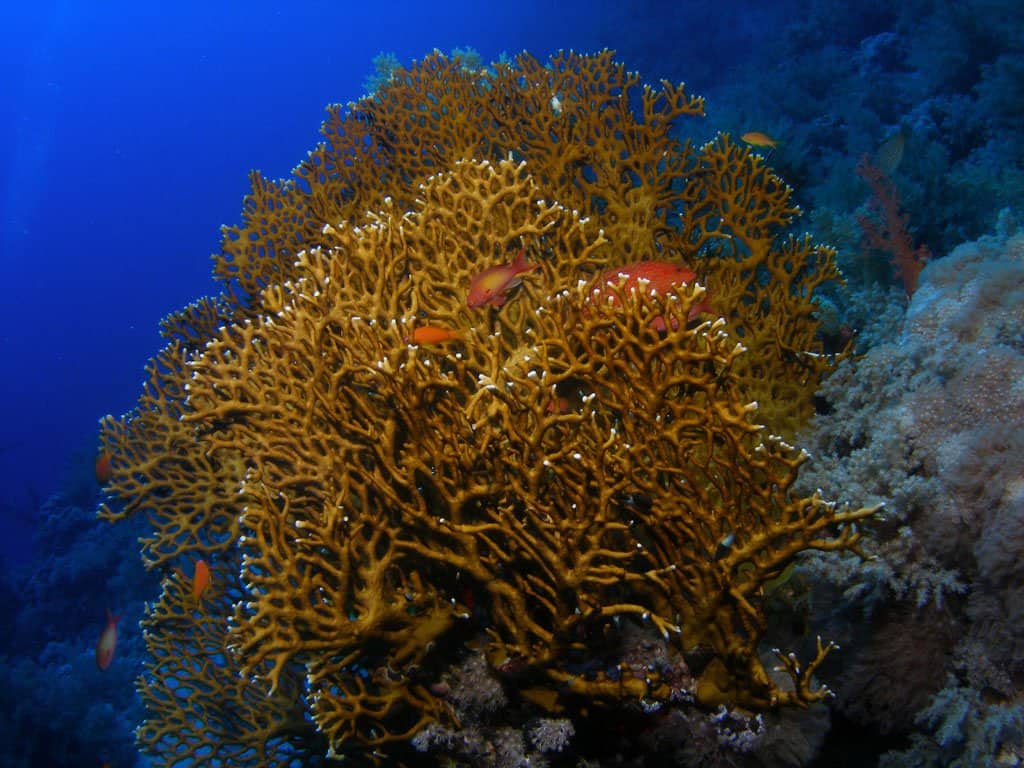
When we think of the ocean, images of shimmering waves, vibrant coral reefs, and a kaleidoscope of colorful fish often come to mind. Yet, beneath the surface lurks a realm that is as dangerous as it is beautiful. The ocean is home to some of the most lethal creatures on the planet, each with its own unique adaptations for survival that render them particularly deadly. This list will unveil the top ten deadliest sea creatures, igniting both fascination and an innate sense of caution regarding the marine world.
1. Box Jellyfish (Chironex fleckeri)
Graceful and often mesmerizing, the box jellyfish floats through the waters of the Indo-Pacific region. However, its ethereal appearance belies its terrifying nature. Possessing tentacles laden with thousands of stinging cells, this creature can deliver a venomous sting that attacks the nervous system, heart, and skin. This potent venom can cause excruciating pain and even cardiac arrest within minutes, making encounters with this gelatinous predator potentially fatal.
2. Stonefish (Synanceia)
The stonefish is renowned as the most venomous fish alive, possessing a formidable arsenal of spines that can deliver venom when stepped upon. Found in the coastal waters of the Indo-Pacific, these masters of camouflage lie motionless on the ocean floor, blending imperceptibly with their surroundings. Their venom can induce severe pain, paralysis, and even death if left untreated, symbolizing how dangerous beauty can be when one least expects it.
3. Blue-ringed Octopus (Hapalochlaena)
Pint-sized yet profoundly potent, the blue-ringed octopus is a marvel of the marine ecosystem, distinguished by its bright blue patterns. This creature carries sufficient toxin to kill 26 adult humans in minutes. Its venom contains tetrodotoxin, a neurotoxin that immobilizes prey and, if introduced to humans, can cause respiratory failure. Despite its dainty size, this cephalopod is one of the ocean’s most lethal inhabitants, reminding us to admire from a distance.
4. Pufferfish (Tetraodontidae)
Famous for its ability to inflate into a spiky ball, the pufferfish also harbors a darker secret: it contains tetrodotoxin in its internal organs, flesh, and skin. This neurotoxin is estimated to be 1,200 times more toxic than cyanide. While some cultures savor pufferfish delicacies (fugu), consuming improperly prepared fish can result in a swift and agonizing demise. The pufferfish embodies the juxtaposition of gastronomic delight and deadly danger.
5. Cone Snail (Conus)
At first glance, cone snails may appear innocuous with their beautifully patterned shells. However, these marine mollusks are ambush predators, deploying a harpoon-like tooth laced with potent venom capable of paralyzing fish and, startlingly, humans. The venom varies among species, with some types causing immediate respiratory failure or paralysis. Approaching these seemingly innocuous snails can lead to a startling encounter with the depths of nature’s uncanny creativity.
6. Lionfish (Petromyzoners)
With their extravagant fins and vibrant colors, lionfish are a striking sight in tropical waters. However, their beauty is accompanied by a painful reality. Their venomous spines can cause intense pain, nausea, and respiratory issues in humans. While lionfish are not aggressive, their propensity to defend themselves with venom serves as a potent reminder of the ocean’s hidden dangers. This ornamental predator highlights the complexity of marine life and the potential threats associated with natural beauty.
7. Sea Snake (Hydrophiinae)
Inhabiting the warm, shallow waters of the Indian and Pacific Oceans, sea snakes are among the most venomous creatures in the maritime world. Capable of delivering a fatal bite, their venom paralyzes prey and poses a severe risk to humans who stray too close. Despite their lethargic appearance, they are exceptionally efficient hunters and possess a remarkable ability to hold their breath while diving. Sea snakes evoke both fear and awe, illustrating the contradictions found within the marine ecosystem.
8. Portuguese Man o’ War (Physalia physalis)
Often mistaken for a jellyfish, the Portuguese Man o’ War is a colonial organism composed of specialized polyps. Its long tentacles, which can stretch up to 30 feet, contain a potent venom that can paralyze fish and inflict excruciating pain upon human contact. These mesmerizing creatures drift on the ocean’s surface, embodying a perilous beauty that can ensnare the unwary. Like a siren’s call, their allure masks an undercurrent of danger hidden beneath the waves.
9. Great White Shark (Carcharodon carcharias)
Commanding its territory at the apex of the food chain, the great white shark remains an iconic symbol of marine ferocity. With a powerful bite force and razor-sharp teeth, this formidable predator is equipped for hunting seals, fish, and even other sharks. Rarely, but occasionally, great white sharks may target humans. The sheer size and strength of these creatures combined with their predatory instincts remind us of the raw power and unpredictability of nature.
10. Saltwater Crocodile (Crocodylus porosus)
Indubitably the largest living reptile, the saltwater crocodile lurks in coastal waters and brackish swamps. Its astonishing strength, stealth, and formidable bite force position it as a top predator both on land and in the water. With the capability to weigh over a ton, saltwater crocodiles are apex predators possessing a predilection for ambushing unsuspecting prey. Their sheer ferocity and adaptability carve their niche as one of Earth’s most dangerous sea creatures.
Exploring the intricate world of deadly sea creatures unveils an astonishing tapestry of nature’s ingenuity and brutality. While the ocean captivates with its myriad wonders, it also demands respect and caution. As we continue our journeys into the depths of this vast blue expanse, we must remember the perils that coexist with its beauty. The delicate balance of life beneath the waves reminds us that even the most serene settings can conceal hidden dangers, provoking curiosity and reverence.






Leave a Comment