
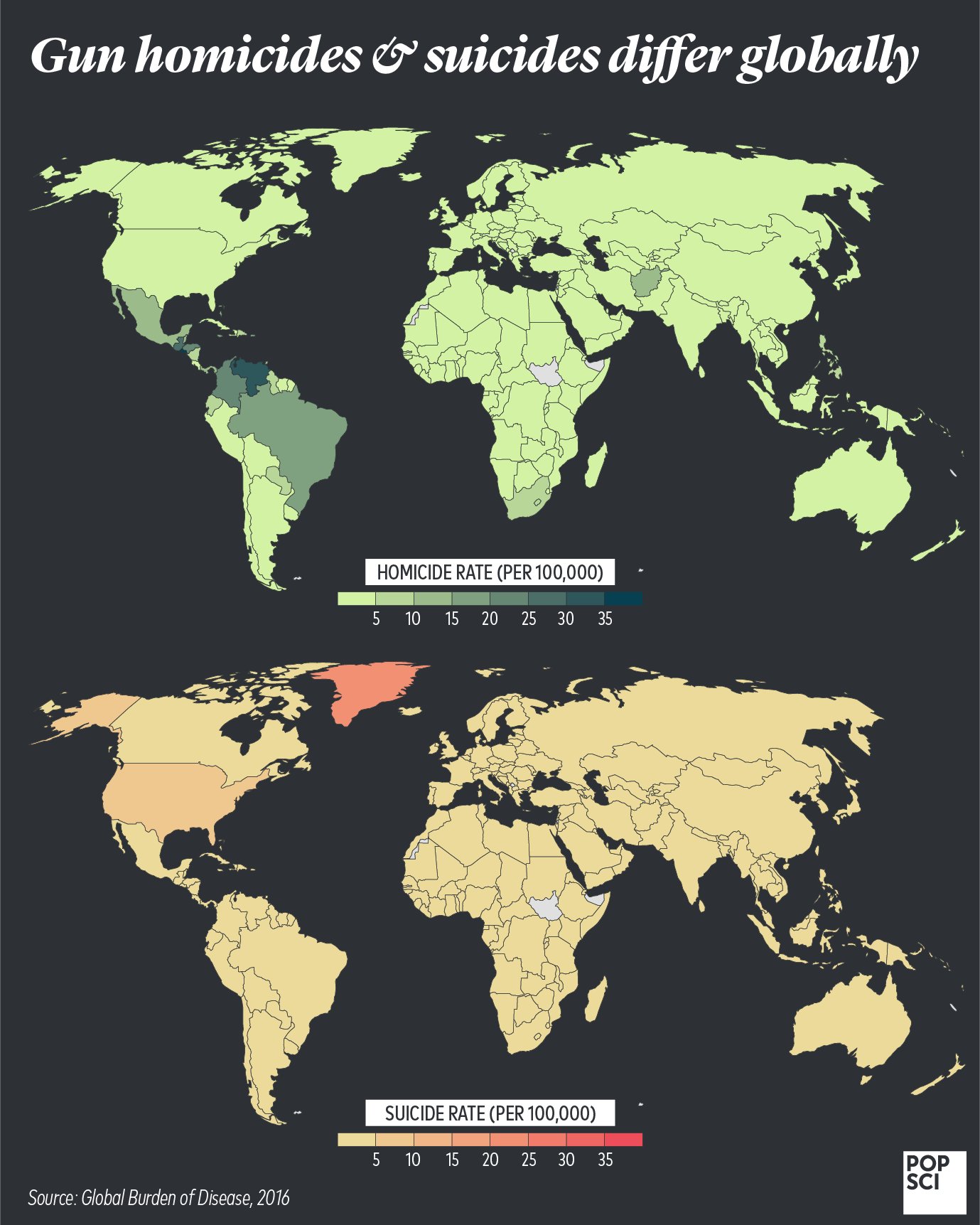
The world we inhabit is a tapestry woven with tales of both beauty and strife. While many cities stand as beacons of culture and innovation, others are overshadowed by the grim statistics of violence and tragedy. Among them, a few cities tragically earn the unenviable title of the deadliest in the world. Understanding these locales not only sheds light on the harsh realities of urban life but also prompts a vital discourse on the multifaceted issues of crime, socio-economic disparity, and systemic failures. Below is an exploration of the ten cities currently grappling with some of the highest rates of murders and gun violence.
1. Tijuana, Mexico
Tijuana, the bustling border city known for its vibrant culture, faces an alarming wave of violence, primarily fueled by rival drug cartels vying for dominance. With a staggering murder rate, the streets of Tijuana often echo with the sounds of gunfire, reflecting a pervasive sense of fear among its inhabitants. The lethal cocktail of economic despair and cartel warfare has transformed this locale into a battleground, heightening the urgency for effective law enforcement and community intervention.
2. Caracas, Venezuela
Caracas stands as a grim testament to the consequences of political turmoil and economic collapse. Once a thriving metropolis, it now contends with rampant crime, with murders primarily stemming from gang conflicts and desperate survival strategies in a collapsing economy. The city’s infrastructure struggles to cope with the fallout, creating a dire scenario where safety is an elusive dream for many. The landscape of Caracas serves as a stark reminder of the delicate balance between governance and societal stability.
3. San Pedro Sula, Honduras
Often dubbed the murder capital of the world in previous years, San Pedro Sula remains entrenched in violence, driven by gang rivalries and poverty. The pervasive influence of MS-13 and Barrio 18 casts a long shadow over the city, making everyday existence treacherously precarious. The relentless cycle of violence permeates social structures, fostering a climate of fear that diminishes opportunities for the youth and stifles community development. Efforts to regain control are often hampered by corruption and a lack of resources.
4. Acapulco, Mexico
Once a glamorous tourist destination, Acapulco has succumbed to the ravages of drug-related violence. The city’s murder rate has soared, with the beautiful beaches now juxtaposed against a backdrop of crime. The interplay of corrupt local governance and the ruthless power struggle between drug cartels has resulted in a heartbreaking transformation. Tourists are increasingly wary, and the local economy suffers as violence takes precedence over the once-thriving tourism sector.
5. Fortaleza, Brazil
Fortaleza, a vibrant coastal city in Brazil, has seen its reputation marred by soaring homicide rates. The intertwining of poverty, unemployment, and gang violence contributes to an atmosphere ripe for crime. This metamorphosis from a seaside paradise to one plagued by gun violence serves as a call to action for enhanced socio-economic initiatives and community support systems. The struggle for safety in Fortaleza remains a pressing issue, demanding immediate attention.
6. Juarez, Mexico
Juarez, located at the heart of the drug trade between Mexico and the United States, continues to bear the brunt of violence associated with drug trafficking. The city’s legacy of bloodshed has etched haunting stories into its landscapes, as rival factions clash with devastating consequences for civilians. The community grapples with the dual burden of stifled economic prospects and increased insecurity. The urgent need for reform and community support has never been more pronounced.
7. Natal, Brazil
Natal is an illustrative case of how economic disenfranchisement can lead to crime spikes. The combination of insufficient public resources and concentrated gang activity paints a bleak picture for its residents. Murders in Natal often stem from turf wars and retaliatory violence, exacerbating the community’s struggles. Reimagining the social fabric and investing in education and opportunities is essential to alter this tragic trajectory.
8. Kingston, Jamaica
Kingston’s narrative is steeped in cultural richness, yet it grapples with significant criminal challenges. Gang violence is rife, breeding a culture of fear among residents. The interplay of historical socio-economic disparities and contemporary crime rates reveals crucial insights into how systemic issues perpetuate violence. Kingston demands a renewed commitment to community engagement and comprehensive crime prevention strategies to build a safer future.
9. St. Louis, Missouri, USA
Within the United States, St. Louis emerges as a city beset by gun violence and murder. The alarming rates can be linked to a myriad of complex factors, including socio-economic inequality and systemic racism. This city symbolizes the urgent need for comprehensive reform and a focus on community outreach to create safer environments. The fragility of urban life is evident, and the call for collective resilience is louder than ever.
10. Baltimore, Maryland, USA
Another U.S. city, Baltimore, struggles under the weight of its violent crime rates. With gun violence often capturing headlines, the underlying causes are complex and multifaceted, steeped in long-standing issues of poverty and inadequate schooling. Baltimore’s streets tell stories of resilience yet also highlight the pressing need for targeted social policies that emphasize prevention and community empowerment.
The cities highlighted resonate across a spectrum of human experience, exposing the profound challenges posed by violence and crime. Each case encapsulates a unique narrative, shaped by intricate socio-economic factors, political climates, and community dynamics. As we grapple with these realities, a critical question arises: how might we collectively respond to these challenges? The path toward transformation relies on fostering dialogue, understanding root causes, and implementing effective interventions. Only through these efforts can hope emerge from the shadows of violence and usher in a brighter future for these communities.







Leave a Comment