
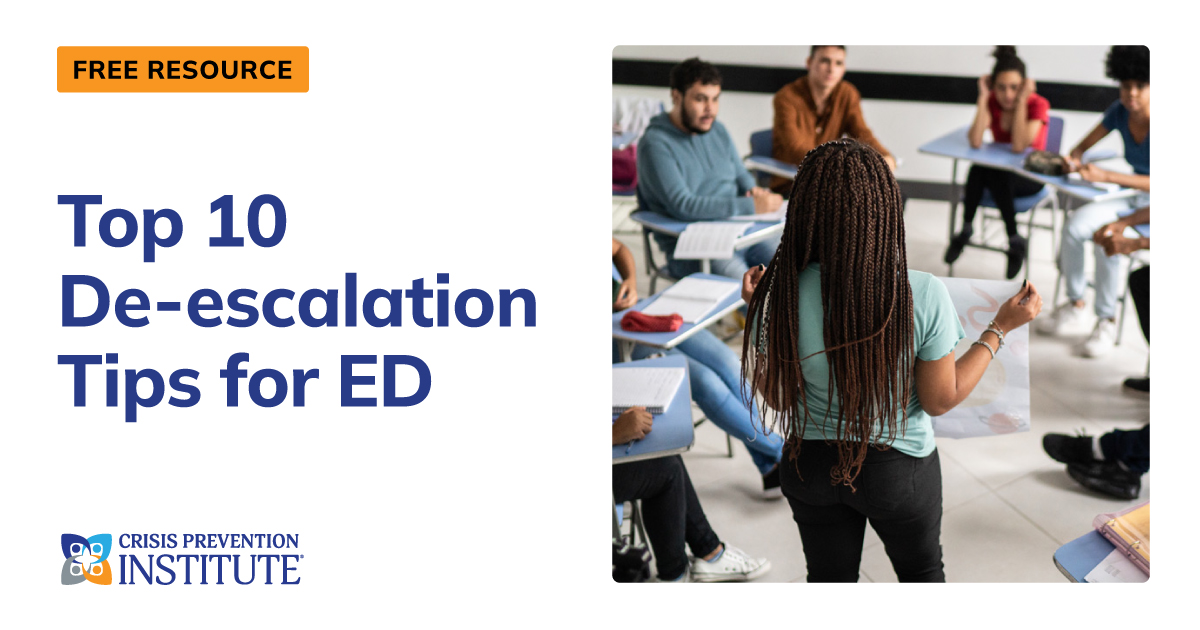
In the multifaceted realm of education, practitioners often find themselves navigating turbulent waters when it comes to student behavior. Frequently, this culminates in conflicts, disruptions, or emotional upheavals within the classroom. The art of de-escalation, a critical skill set for educators, serves not merely as a tool for management but as a philosophy centered on understanding, empathy, and communication. In this article, we will explore the top ten de-escalation tips that educators can employ to cultivate a nurturing and conducive learning environment.
1. Establish Clear Expectations
Ambiguity breeds confusion. Set explicit behavioral expectations from the onset of the academic year or term. These guidelines should be communicated consistently, both verbally and visually, through classroom posters or schedules. By crafting a transparent framework, students understand what is socially and academically acceptable, which diminishes the probability of conflict arising.
2. Cultivate Empathetic Relationships
Relationships grounded in mutual respect and understanding are quintessential for effective de-escalation. Get to know your students on an individual level—understand their interests, challenges, and backgrounds. This foundational knowledge allows educators to respond to students more compassionately, fostering an environment where they feel valued and understood, which can avert potential crises before they escalate.
3. Maintain Composure and Calmness
In the heat of a moment, it can be daunting to remain composed. Yet, displaying calmness is paramount. Your demeanor sets the tone for the classroom. When you exude tranquility, even in challenging situations, it becomes infectious. Employ breathing techniques or mindful pauses to regain your composure when tensions flare. Such practiced control helps to neutralize a fraught atmosphere.
4. Use Active Listening Techniques
A great deal of conflict can be mitigated through the power of listening. Show students that you genuinely care about their thoughts and feelings by employing active listening techniques. Maintain eye contact, nod in acknowledgment, and paraphrase what they express. This not only builds rapport but allows for students to feel heard—often dissipating their frustration or anger.
5. Offer Choices and Agency
Feeling powerless can lead to heightened emotions. Whenever feasible, offer students choices related to their learning and behavior. For instance, allow them to decide on project topics or select between multiple task formats. This imbues them with a sense of agency and autonomy, thereby reducing resistance and fostering cooperation. When students feel empowered, they are less likely to react negatively.
6. Recognize Nonverbal Communication
Communication transcends spoken words; nonverbal cues play a monumental role in interactions. Pay close attention to body language—both your own and that of your students. A furrowed brow or crossed arms may indicate distress or agitation. By being attuned to these signals, educators can intervene proactively rather than reactively, addressing potential issues before they escalate.
7. Create a Safe Space for Expression
Encourage students to express their feelings in constructive ways. This could involve journaling, engaging in group discussions, or using art to depict their emotions. By providing a safe outlet for emotional expression, educators can channel potential outbursts into more positive forms of communication. Establishing an environment where students feel comfortable sharing their thoughts paves the way for a more harmonious classroom.
8. Implement Intervention Strategies
Despite one’s best efforts, conflicts will invariably arise. Equip yourself with various intervention strategies to address these incidents swiftly and effectively. Techniques such as mediation or conflict resolution strategies can be invaluable. Training in restorative practices can also provide educators with frameworks to mend relationships post-conflict, reinforcing the importance of accountability and empathy.
9. Involve Support Staff When Necessary
Educators are not solitary warriors; they function best within a collaborative ecosystem. Don’t hesitate to reach out to support staff, counselors, or other professionals when situations become overwhelming. This not only brings additional resources and perspectives to the situation but emphasizes the importance of community in addressing behavioral issues.
10. Reflect and Adjust
After conflicts are resolved, engage in self-reflection. Analyze what transpired and consider what actions were effective or counterproductive. It is crucial to adapt your strategies based on these reflections. Continuous personal and professional development in de-escalation techniques helps refine your approach, enabling you to handle future incidents with greater finesse.
In conclusion, the journey of an educator encompasses a myriad of challenges, particularly in managing student behavior. By employing these ten de-escalation tips, educators can create a nurturing environment that promotes understanding, respect, and cooperation. While navigating the complexities of classroom dynamics may be daunting, the pursuit of de-escalation fosters not only a peaceful classroom but also a foundation for lifelong learning and emotional growth among students. Embrace these strategies, and witness the transformative power they can have in shaping both your classroom and the lives of those within it.








Leave a Comment