
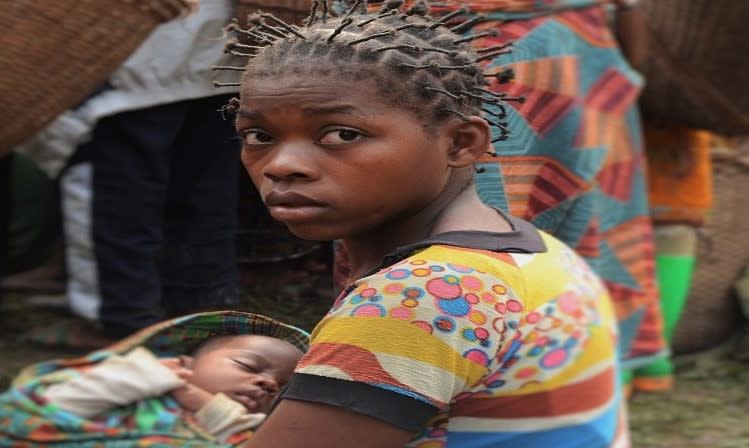
Teenage pregnancy continues to be a pressing global issue, with implications that stretch far beyond the individual. The phenomenon often reflects complex societal dynamics, entrenched cultural norms, and systemic disparities in education and healthcare. As we delve into the top ten countries with the highest rates of teenage pregnancy, we not only uncover the raw statistics but also explore the social fabric that tether these nations. The fascination with this topic stems from a desire to understand the multifaceted reasons behind these alarming rates, providing a lens through which we can analyze deeper societal issues.
1. Niger
Niger tops the list with an alarmingly high teenage pregnancy rate. Cultural traditions and practices, such as early marriages, predominantly fuel this issue. Many girls in Niger are married by their early teenage years, often lacking access to education about reproductive health. The intertwining of poverty and gender inequality contributes significantly to this trend, leading to cycles of early motherhood that are hard to break.
2. Chad
Following closely is Chad, where teenage pregnancies are rampant. Here, socio-economic factors play a pivotal role. The lack of healthcare infrastructure means that many teenagers do not receive proper sexual health education. This ignorance fosters a culture where young pregnancies are common, and girls face immense pressure to conform to societal expectations of motherhood.
3. Bangladesh
In Bangladesh, cultural factors heavily influence teenage pregnancy rates. Girls often marry young and bear children soon after, primarily due to patriarchal societal structures. The interplay between poverty, tradition, and lack of educational opportunities creates a fertile ground for high teenage pregnancy rates, perpetuating cycles of disadvantage.
4. Mozambique
Mozambique faces significant challenges stemming from educational deficits and economic instability, which correlate strongly with high teenage pregnancy rates. Here, young women typically have limited access to contraception and inadequate education about sexual health. Furthermore, social stigma surrounding teenage mothers often results in marginalization, complicating their pathways to personal and economic development.
5. Malawi
Malawi’s statistics paint a somber picture of teenage pregnancy. High levels of poverty and limited access to reproductive health services contribute to the prevalence of young mothers. Many girls are encouraged or coerced into early marriages, resulting in early pregnancies. The impact of HIV/AIDS in the region further complicates matters, where young women face increased health risks associated with childbirth.
6. Central African Republic
The Central African Republic grapples with profound political instability, which translates into inadequate education and health services. This climate exacerbates teenage pregnancy rates, where many young girls are left without guidance regarding their reproductive rights. In this tumultuous environment, early pregnancy is often a direct consequence of both cultural expectations and lack of access to prevention resources.
7. Guinea
In Guinea, the complexities of teenage pregnancy intersect with issues of gender inequality. Many young girls lack autonomy, married off at a young age, thus slipping into the role of motherhood without the requisite knowledge of family planning. As a result, the pattern of teenage pregnancies feeds directly into broader gender-based discrimination, limiting the potential for educational and personal advancement.
8. Sierra Leone
Sierra Leone features prominently on this list, with the country’s historical and socio-political backdrop contributing to high pregnancy rates among teenagers. The aftermath of civil war has left many societal structures in disarray, resulting in a budget-strapped healthcare system that fails to provide adequate sexual health education. Young girls frequently bear the burden of unmet reproductive healthcare needs, leading to elevated rates of early pregnancies.
9. Nigeria
In Nigeria, the stark contrast between urban and rural settings accentuates the teenage pregnancy problem. While urban areas may offer some access to education and healthcare, rural regions often remain entrenched in traditional practices. Many Nigerian girls face societal pressure to marry young, further elevating pregnancy rates. Also, the varying levels of education and awareness significantly influence how pregnancy and family planning are perceived.
10. Ethiopia
Finally, Ethiopia rounds out the list. With a history steeped in cultural norms that favor early marriage, the rate of teenage pregnancies remains high. Efforts to improve educational opportunities for girls are underway, yet persistent cultural beliefs often overshadow these initiatives. The intersectionality of poverty, lack of healthcare access, and entrenched social norms perpetuates the cycle of teenage motherhood.
Exploring the intricate tapestry of teenage pregnancy around the globe highlights not only statistical realities but also the socio-economic factors at play. The countries listed reflect alarming rates, yet each one tells a unique story woven with cultural, economic, and educational threads. Addressing teenage pregnancy is imperative, not merely for individual lives but for society as a whole. By engaging in comprehensive education, improving healthcare access, and promoting gender equality, the cycle can be broken, leading to healthier futures for coming generations. The fascination with this topic lies not just in the numbers, but in the potential for transformative change, fostering hope in the face of adversity.







Leave a Comment