
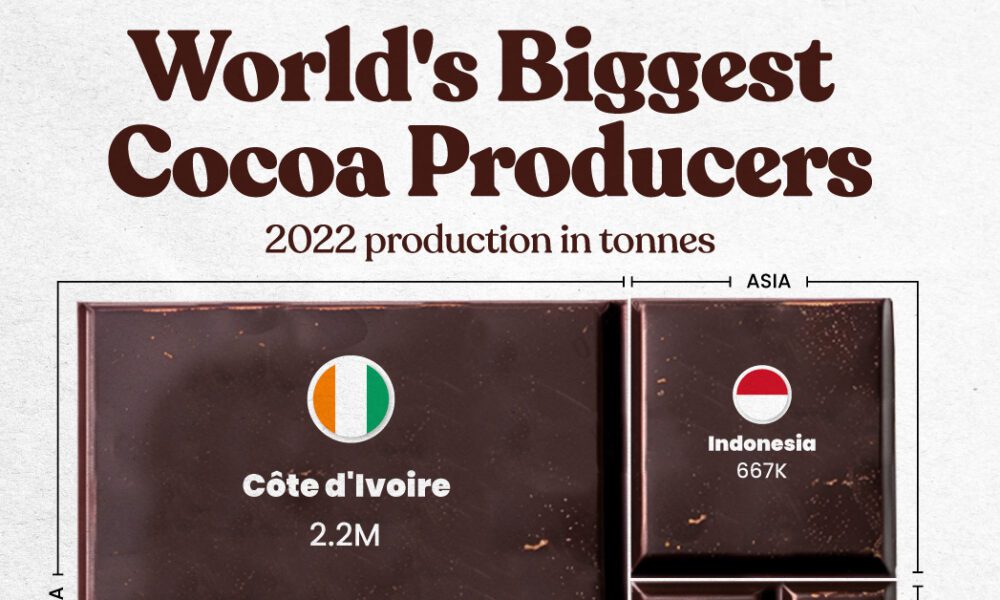
Cocoa, the quintessential ingredient in chocolate, has a profound impact on cultures, economies, and culinary traditions across the globe. As a beloved delicacy, chocolate finds its way into countless desserts and snacks, but the journey from bean to bar begins in regions where cocoa is cultivated. In this exploration, we traverse the top ten countries renowned for their cocoa production. Each of these nations contributes uniquely to the global chocolate supply chain, showcasing the intricate balance of agricultural practices, social dynamics, and economic factors that shape the industry.
1. Côte d’Ivoire (Ivory Coast)
Leading the world in cocoa production, Côte d’Ivoire accounts for nearly 40% of the global supply. Situated in West Africa, this nation boasts a climate that is remarkably conducive to cocoa farming. Farmers cultivate varieties of cocoa known for their rich flavor profiles, which are favored in the chocolate-making process. The Ivorian cocoa sector is vital for the national economy, providing livelihoods for millions. However, challenges such as political instability and child labor practices have drawn international scrutiny, prompting reforms aimed at improving sustainability and ethical sourcing.
2. Ghana
Ghana, a close contender in cocoa production, is celebrated for its high-quality cocoa beans, often considered among the best in the world. The country’s rainforests and favorable climatic conditions create an ideal environment for cocoa cultivation. Ghana’s cocoa beans are predominantly of the Criollo and Forastero varieties, known for their smooth, chocolatey flavor. In recent years, the government has implemented initiatives to bolster productivity and sustainability, working to protect the livelihoods of smallholder farmers while enhancing the quality of output.
3. Indonesia
As the third-largest cocoa producer, Indonesia’s cocoa crops primarily flourish on the islands of Sulawesi and Sumatra. The country is known for producing a variety of cocoa beans, including the popular Forastero type, which is utilized frequently in industrial chocolate production. The challenges Indonesian cocoa farmers face include fluctuating global prices and competition with other agricultural sectors. Nonetheless, the government and various NGOs are investing in training and support to improve farming techniques, increase yields, and foster a sustainable cocoa economy.
4. Ecuador
Ecuador, often branded as the birthplace of fine-flavor cocoa, produces some of the world’s most sought-after varieties, such as Arriba Nacional. The nation’s lush environments and diverse ecosystems contribute significantly to the distinct flavors and aromas of its cocoa. Ecuadorian farmers have adopted various sustainable practices to maintain soil fertility and biodiversity, allowing them to thrive in a global market increasingly focused on high-quality, specialty chocolate. The emphasis on heirloom varieties aids in preserving genetic diversity in cocoa while securing economic benefits for farmers.
5. Nigeria
Nigeria boasts a rich history as a cocoa producer, notably characterized by its cultivation of the Forastero bean. This West African powerhouse has re-entered the global cocoa scene strongly in recent years, aimed at revitalizing production following several decades of decline. Farmer cooperatives are becoming prevalent, fostering collaboration that improves both quality and profitability. However, obstacles, such as inadequate infrastructure and unpredictable weather patterns, pose significant challenges. Encouragingly, efforts are underway to modernize agricultural practices and enhance farmers’ resilience against climate change.
6. Cameroon
Cocoa plays an integral role in Cameroon’s economy, where it ranks as one of the top agricultural exports. The country’s warm tropical climate provides a conducive setting for cacao trees. Cameroonian cocoa is renowned for its versatility, being used in both fine chocolate and industrial chocolate products. The involvement of cooperatives and regional unions has improved supply chain management and quality assurance, benefiting local farmers significantly. Continued focus on sustainable practices and certifications can help preserve the industry’s future while benefiting the economy.
7. Peru
Peru is gaining recognition in the cocoa world, particularly for its organic and fair-trade cocoa. Cultivated primarily in the regions of San Martín and Cusco, Peruvian cocoa offers an array of flavors and fragrances that appeal to artisanal chocolate makers globally. The commitment to organic methods not only supports the health of the soil but also appeals to an increasingly eco-conscious consumer base. Furthermore, initiatives to empower small farmers through cooperatives are strengthening the resilience and competitiveness of its cocoa sector.
8. Brazil
Historically one of the top cocoa producers, Brazil’s cocoa industry has faced challenges over the past few decades due to diseases affecting cacao trees. Nonetheless, the resurgence of Brazilian cocoa is marked by innovative agricultural practices and a renewed focus on high-quality production. The country is well-known for its fine-flavor varieties, which are often used in premium chocolate. Government and private sector initiatives continue to foster sustainability and diversification practices, aiming to enhance the productivity and resilience of the Brazilian cocoa farmers.
9. Dominican Republic
The Dominican Republic is a leader in organic cocoa production, known for its Criollo and Trinitario beans. The country’s cocoa is primarily grown in the northern regions and is associated with premium chocolate around the world. Organic certification not only offers higher prices but ensures that farmers adhere to environmentally friendly processes. Various organizations are now working to expand export markets while ensuring that local farmers receive fair wages and work under sustainable conditions.
10. Cameroon
Rounding out the list is Cameroon, which has a storied legacy in cocoa farming. The country’s cocoa beans are characterized by their smooth flavor, making them suitable for both fine and mass-market chocolate. The nation’s producers face complexities, such as infrastructure limitations and competition from synthetic alternatives. Despite this, Cameroonian farmers are increasingly implementing improved cultivation techniques and listening to the needs of the global market. These developments promise to enhance Cameroon’s standing among cocoa-exporting nations.
In conclusion, the cocoa landscape is rich and complex, reflecting the cultural heritage, agricultural practices, and economic realities of each producing country. With its deep-rooted traditions and evolving challenges, the cocoa industry continues to adapt to global demands while striving for sustainability. As consumers become more discerning about the origins of their chocolate, the future of cocoa production will undoubtedly hinge upon the commitment to ethical practices, environmental stewardship, and the fidelity to the culinary art of chocolate making.







Leave a Comment