
Have you ever pondered the sheer magnificence of our planet? Earth is a trove of wonders, harboring gigantic islands, sprawling deserts, and majestic volcanoes, each presenting its own unique allure and challenges. Today, we embark on an exploratory journey to uncover the top 10 largest islands, deserts, and volcanoes on Earth. Buckle up as we traverse the delicate interstices of geography, ecosystems, and natural phenomena!
Islands: Nature’s Isolated Sanctuaries
Islands are often epitomes of diversity, each functioning as a microcosm of flora and fauna. Let’s delve into a selection of the largest islands that boast stunning landscapes and diverse ecosystems.
1. Greenland
Encompassing an astonishing area of over 2,166,086 square kilometers, Greenland stands as the world’s largest island. It is predominantly covered by an ice sheet that represents 80% of its surface. The island’s remoteness contributes to its pristine beauty, where one can witness the ethereal glow of the Northern Lights dancing above majestic glaciers, alongside a rugged coastline that shelters diverse wildlife.
2. New Guinea
This vibrant haven boasts dense rainforests and expansive mountains, spanning approximately 785,753 square kilometers. New Guinea demonstrates a stunning biodiversity, featuring countless endemic species. The rich cultural tapestry woven by its indigenous peoples further enhances the island’s allure, making it one of the most fascinating islands to explore.
3. Borneo
Sharing its territory with Malaysia, Indonesia, and Brunei, Borneo covers around 748,168 square kilometers. This island prides itself on its sprawling rainforests, which are among the oldest on the planet. It is not just a treasure trove of biodiversity but also a critical ecological zone, serving as the habitat for the endangered orangutan.
Deserts: The Earth’s Arid Wonders
Deserts, with their vast expanses and stark beauty, tell tales of resilience and adaptation. Here, we unveil the largest deserts that encapsulate the myriad wonders of arid climates.
4. Antarctic Desert
Clocking in at over 14 million square kilometers, the Antarctic Desert is the largest polar desert on Earth. Its icy expanse holds secrets far colder than mere temperatures—with a frigid atmosphere that shapes a unique ecosystem. Life persists in astonishing forms, from resilient microorganisms to majestic seals that brave the icy waters.
5. Arctic Desert
Not to be outdone, the Arctic Desert covers approximately 13.9 million square kilometers. Defined by its extremely low temperatures, this desert plays host to unique flora and fauna, adapted to survive in its realm of eternal frost. The beauty of the Arctic lies in its mesmerizing landscapes, illuminated by the soft glow of the midnight sun.
6. Sahara Desert
Spanning over 9 million square kilometers, the Sahara Desert is not just a captivating expanse of sand dunes; it’s a cultural crossroads rich with history. Often regarded as the world’s largest hot desert, it boasts breathtaking landscapes, enchanting oases, and resilient cultures adapted to thrive amidst its harsh terrain.
Volcanoes: Nature’s Fiery Giants
Volcanoes are awe-inspiring phenomena, their majesty often underscored by the threat they pose. As we explore the world’s largest volcanoes, we encounter a juxtaposition of beauty and power.
7. Mauna Loa
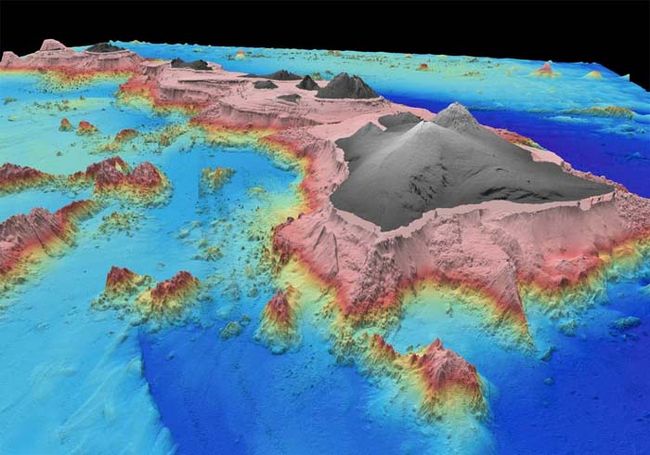
The largest volcano on Earth, Mauna Loa, rises an imposing 4,170 meters above sea level but extends much further beneath the ocean’s surface. Located in Hawaii, this shield volcano is vital to understanding volcanology due to its frequent eruptions. Its gentle slopes and vast eruptions create both a captivating landscape and valuable insight into the dynamic processes of our planet.
8. Mount Kilimanjaro
As Africa’s highest peak, Mount Kilimanjaro reaches 5,895 meters and is a stratovolcano. Its iconic snow-capped summit contrasts vastly with the surrounding savannah, making it a striking natural emblem. This dormant giant harbors multiple ecosystems, from montane forests to alpine deserts, each teeming with unique wildlife.
9. Mount Elbrus
The tallest mountain in Europe, Mount Elbrus stands at 5,642 meters. Its dual summits are a spectacle of natural beauty, cloaked often in snow and mist. This dormant volcano serves as a challenge for climbers and adventurers yearning to conquer its heights while indulging in its resplendent vistas.
10. Tamu Massif
Emerging from the ocean floor, Tamu Massif is an underwater shield volcano covering an eye-popping area of approximately 553,000 square kilometers, making it one of the largest volcanoes by area in the world. While it remains submerged and is less known to the general populace, its sheer scale makes it a geological marvel worthy of admiration.
What do you think? Are you ready to challenge yourself to explore these awe-inspiring natural wonders? Whether it be the isolated beauty of islands, the arid tranquility of deserts, or the fiery creations of volcanoes, each element embodies the breathtaking complexity of our planet. Venture forth, and who knows what extraordinary secrets you may uncover along the way!







Leave a Comment